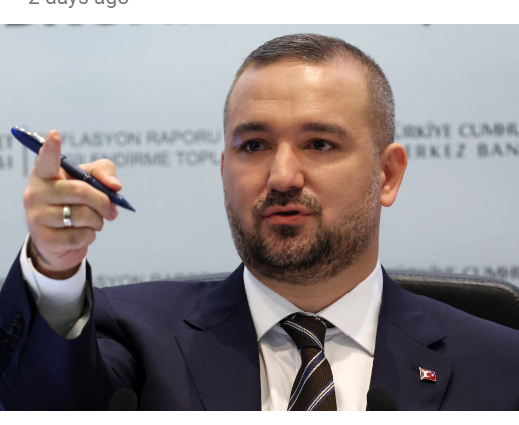
Türkiye’s Economy Coordination Board Highlights Inflation Drop, Housing Supply Measures, and Energy Security
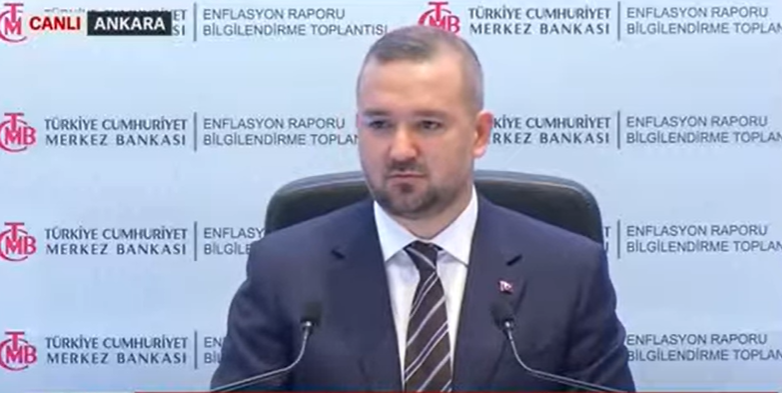 Fatih Karahan
The Economy Coordination Board (EKK) convened under the chairmanship of Vice President Cevdet Yılmaz, addressing four strategic priorities shaping Türkiye’s economic policy. The meeting brought together top government figures including Finance Minister Mehmet Şimşek, Labor Minister Vedat Işıkhan, Central Bank Governor Fatih Karahan, and others, aiming to strengthen Türkiye’s resilience amid global uncertainty.
Disinflation Gains Momentum: Annual Rate Drops to 35.4%
According to the official statement, Türkiye’s fight against inflation has entered a new phase of disinflation, with annual inflation falling by 40 points since last year, now standing at 35.4% in May 2025. Authorities attributed this achievement to the effective application of both demand-side controls and supply-side reforms, including structural interventions in housing, food, and energy sectors.
Despite this progress, rental inflation remains elevated. The government is prioritizing a comprehensive housing policy to increase residential supply, compensate for earthquake-related housing losses, and improve housing accessibility. A further drop in rental inflation is expected as supply-demand balance improves.
Housing Policy: New Measures to Expand Supply and Stabilize Prices
One of the key items on the EKK’s agenda was the issue of rising housing and rental prices. Officials discussed a range of new policies aimed at expanding housing stock and easing affordability pressures. Special attention was given to supporting post-earthquake reconstruction efforts and long-term urban planning to ensure equitable access to housing.
Energy Security and Green Transition: Strategic Priorities Ahead
As geopolitical risks and global protectionism intensify, the Board reaffirmed its focus on energy security, domestic energy production, and sustainability. Key strategies include reducing external energy dependency, boosting renewable energy investments, and accelerating the green transformation process in alignment with Türkiye’s long-term economic vision.
Export Competitiveness and Labor Market Flexibility Discussed
In a rapidly shifting global trade environment, Türkiye aims to capitalize on new supply chain dynamics and regional trade opportunities. The EKK explored policies to enhance export competitiveness, especially in the context of the digital and green transformation.
Additionally, the current structure of private employment agencies was evaluated. These institutions play a vital role in matching job seekers with temporary and permanent opportunities. The Board aims to increase their efficiency and ensure better alignment with labor market needs.
Four Main Topics Covered in the EKK Meeting:
-
Boosting export competitiveness amid global uncertainty and protectionism, with emphasis on digital/green transformation and supply chain repositioning.
-
Addressing Türkiye’s energy current account deficit by reducing foreign dependency and enhancing supply security.
-
Tackling housing and rental inflation through targeted housing supply policies.
-
Reviewing private employment agencies to improve job matching and labor market flexibility.
Türkiye Century Vision and Investment Incentives
The EKK reiterated its commitment to Türkiye’s long-term development goals through the recently launched Investment Incentive System, which aims to attract value-added production, foster regional development, and enhance Türkiye’s global competitiveness. Coordinated steps are underway to solidify Türkiye’s role in global supply chains.
Related articles

An introduction to Erdoganomics: Stealing from tomorrow to save the day
AKP preparing to return to orthodox policies, former economy czar Mehmet Simsek invited

ANALYSIS: September Inflation Data Challenges TCMB’s Rate Cut Plans