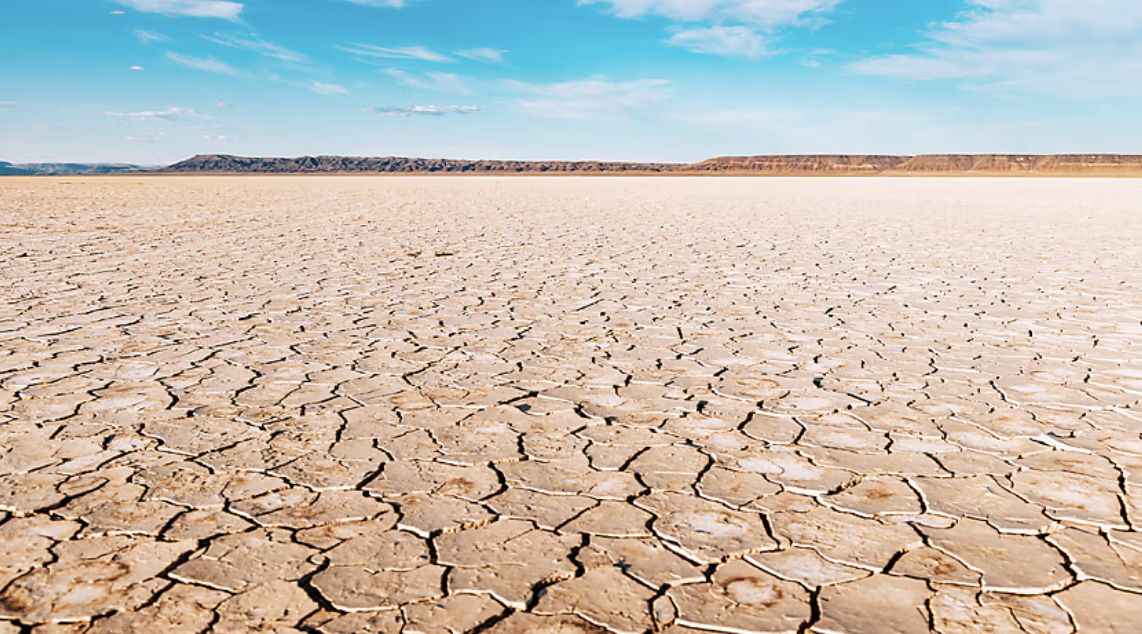
Türkiye Faces Its Driest Water Year in Half a Century
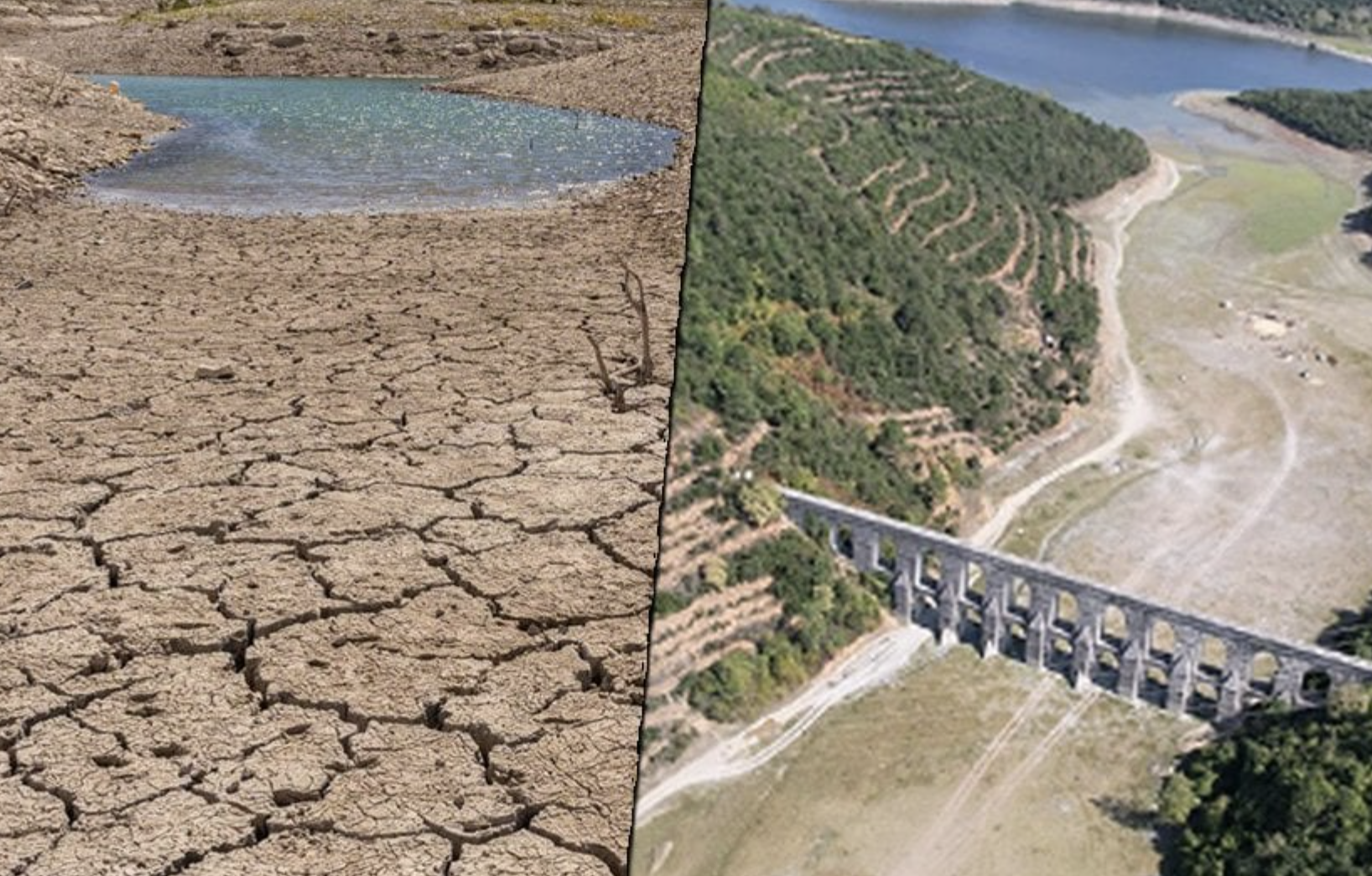 Drought in Turkey Deepens
Türkiye is grappling with one of its driest water years in decades, as rainfall across vast parts of the country plunges to levels not seen in half a century. According to data from the Meteorological Service of the Ministry of Environment, Urbanization and Climate Change, the 2025 water year has exposed the scale of climate stress on the nation’s water supply, agriculture, and ecosystems.
What Is a “Water Year”?
The term refers to the 12-month cycle of precipitation from October 1 to September 30, closely tied to agricultural irrigation and hydrological planning. For Türkiye, the 2025 water year (Oct. 1, 2024 – Sept. 30, 2025) has been particularly troubling.
During the first 11 months, the country received an average of 401.1 kilograms of rainfall per square meter, a 27% drop compared to the long-term seasonal average of 548.2 kilograms. Meteorologists say this is the lowest nationwide total in 52 years.
Regional Breakdown: Where the Drought Hits Hardest
The rainfall deficit has not been evenly spread — certain regions are bearing the brunt more severely than others.
-
Central Anatolia & Southeastern Anatolia: Recorded their lowest precipitation in 65 years, making these agricultural heartlands particularly vulnerable.
-
Southeastern Anatolia: Saw the steepest overall decline, with rainfall plunging 53% below normal. In parts of southern Southeastern Anatolia and Hatay, losses exceeded 60%.
-
Aegean & Marmara: Faced their driest water year in 18 years, further straining reservoirs and farming communities.
-
Ankara: The capital experienced its lowest rainfall in 47 years, highlighting how urban centers are not immune to the crisis.
Provinces Hitting Historic Lows
Several provinces reached record-breaking drought conditions:
-
Şanlıurfa: The lowest nationwide precipitation at just 182.3 kg/m².
-
Hatay: Registered the sharpest decline, down 64% from seasonal norms.
-
Bilecik, Eskişehir, Gaziantep, Kırıkkale, Kırşehir, Kilis, Mardin, Nevşehir, Van, Kayseri, Tekirdağ, Edirne, Batman, Şırnak, Çanakkale and Siirt: All logged their lowest rainfall in 65 years.
-
Kütahya: Lowest in 61 years.
-
Afyonkarahisar, Karaman, Osmaniye: Lowest in 52 years.
-
Konya, Niğde, Aksaray: Lowest in 51 years.
-
Bursa: Lowest in 48 years.
These long-term lows underscore that the crisis extends beyond a single dry season, pointing to deepening structural water stress.
Bright Spots: The Black Sea Exception
Not all regions faced decline. The Black Sea provinces of Sinop, Samsun, Ordu, Giresun and Trabzon bucked the national trend, recording increases above 20% compared to seasonal averages.
-
Rize: Registered the highest rainfall in the country, with 1,546.8 kg/m².
-
Giresun: Saw the most significant rise compared to normal, up 24%.
This regional contrast illustrates the climate imbalance: while the Black Sea sees surges in precipitation, much of Anatolia struggles with aridity.
Climate Change as the Underlying Driver
Experts warn that the scale and persistence of these deficits are not random fluctuations. Instead, they reflect the increasing volatility of Türkiye’s climate system under global warming.
Meteorologists highlight that:
-
Drought cycles are becoming more frequent and prolonged.
-
Water scarcity is exacerbated by urbanization, agricultural overuse, and inefficient irrigation.
-
Food security, energy production, and rural livelihoods face growing risks as water availability declines.
Implications for Agriculture and Water Security
Agriculture, which consumes nearly three-quarters of Türkiye’s freshwater, is set to be the most affected. With Central Anatolia and Southeastern Anatolia already stressed, irrigation shortfalls could undercut harvests, impacting food prices and rural economies.
Urban centers like Ankara, Bursa, and Gaziantep may also face heightened risks of water rationing if rainfall shortfalls persist into 2026.
A Call for Action
The report underscores that Türkiye is entering a critical period for water resource management. Without urgent adaptation — such as modernized irrigation, rainwater harvesting, reservoir expansion, and stricter conservation policies — the country risks entering a cycle of chronic drought.
For now, the stark contrast between drought-hit Anatolia and rain-heavy Black Sea provinces serves as a reminder of climate imbalance, a challenge that Türkiye must address not only for today but for generations ahead.