Türkiye Faces Drought Crisis, And It Is Worse Than It Looks
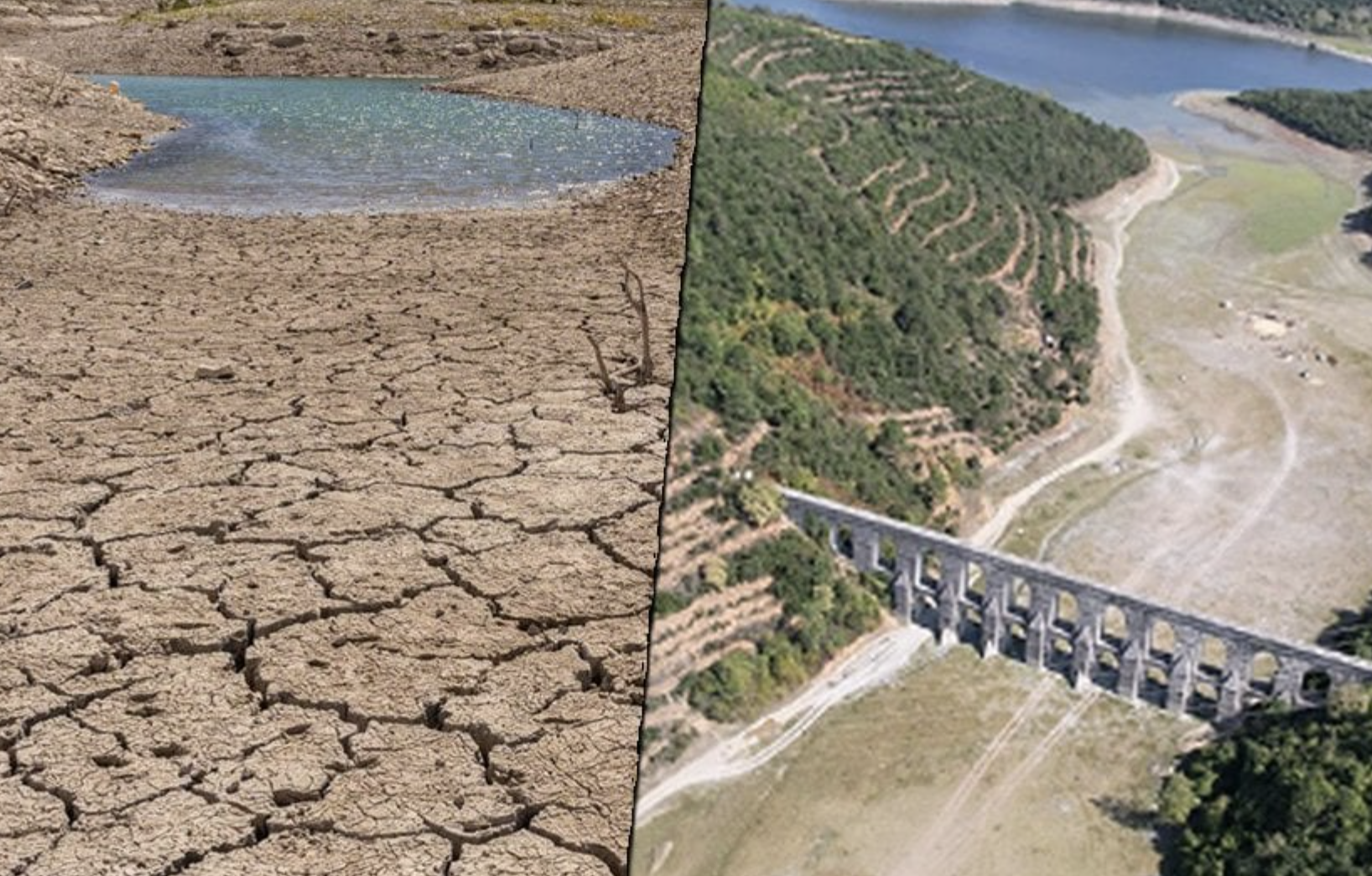 Drought in Turkey Deepens
Türkiye is experiencing one of its most severe drought periods in recent years, as declining reservoir levels and shrinking lakes severely affect agricultural production. Experts warn that reduced water availability could trigger supply shortages, driving food prices higher.
In Çorum’s Alaca district, farmer Ümit Ayduğan described the devastating impact on his crops:
“We cannot get yields from wheat, sunflower, or chickpeas. Compared to last year, our yields have dropped by half. Our input costs have increased by 100%, but our products have only appreciated by about 30%. This puts us in loss.”
Ayduğan expressed concern about the coming year:
“I couldn’t plant the seeds I wanted, I couldn’t get fertilizer, and I couldn’t maintain the crops. Even if the weather returns to normal, both yield and quality have declined. If a situation like this repeats, farmers will completely fail.”
He also criticized the timing of agricultural support:
“Money that is not given on time cannot be considered support. Farmers have to borrow from banks, cooperatives, or loan sharks to plant; they sow using debt.”
Reservoirs and Lakes at Critical Levels
Lower rainfall has pushed reservoir levels to dangerous lows across Türkiye. In Bursa, Nilüfer Dam has completely dried up, and Doğancı Dam is only 19% full. In İzmir, Tahtalı Dam dropped below 7% capacity. Nationwide, the average reservoir occupancy fell to 42%, compared to 53% last year.
Lakes such as Burdur Lake and Akşehir Lake have also shrunk significantly, with some drying completely. These water shortages directly impact irrigation, further reducing crop productivity.
Natural Disasters Amplify Agricultural Risks
Baki Remzi Suiçmez, President of the Chamber of Agricultural Engineers, emphasized the sector’s vulnerability:
“Agriculture is a strategic sector dependent on nature. Drought, frost, hail, floods, and storms, as well as earthquakes and fires, negatively affect production. This process impacts not only farmers but also consumers and exporters in a chain reaction.”
He explained that damaged farmland, degraded soils, and reduced water resources lower farmer incomes and accelerate exits from agricultural production.
“When supply shortages occur, national food availability contracts, prices rise, and access to healthy food becomes more difficult.”
Decline in Crop Production Expected
According to Turkish Statistical Institute (TÜİK) projections for May 2025, plant-based production is expected to fall:
-
Cereals and other crops: -4.1%
-
Vegetables: -1.7%
-
Fruits, beverages, and spices: -24.4%
Some of the largest expected declines include:
-
Wheat: -5.8%
-
Barley: -8%
-
Oats: -23.1%
-
Potatoes: -13%
-
Hazelnuts: -27.5%
-
Pistachios: -54.6%
-
Apples: -38.7%
-
Cherries: -55.7%
-
Grapes: -18.6%
Corn and sunflower yields are projected to rise, providing some relief amid overall reductions.
Calls for Structural Reforms in Agriculture
Suiçmez stressed the urgent need for structural reforms:
“Implementation of the Agricultural Drought Strategy and Action Plan is necessary, DSİ infrastructure investments must be completed, modern irrigation systems should be adopted, and drought-resistant seeds need to be widely distributed.”
He also highlighted reforms needed in agricultural insurance:
“It is impossible for producers to stand alone against climate risks. The government needs to establish a systematic support mechanism before, during, and after disasters.”
Environmental Accountability
Şemsi Bayraktar, President of the Union of Turkish Chambers of Agriculture, warned that drought is compounded by pollution and environmental degradation:
“Heavy penalties and deterrent measures must be applied to those who pollute nature.”
He emphasized that enforcing environmental protections is essential to preserve agricultural resources.
Rising Food Prices
The economic impact is already being felt. TÜİK data for July 2025 shows annual inflation for food and non-alcoholic beverages at 27.95%, while independent group ENAG estimates it at 65.15%.
Globally, the FAO Food Price Index reached 130.1 points in July, its highest since February 2023. The Central Bank of Türkiye warned that rising food prices pose upside risks to inflation forecasts.
Economist Oğuz Demir sounded the alarm:
“First frost, then drought and water shortages give a serious warning for the fall.”
He noted that post-September, food prices could rise further, increasing pressure on households.