



Türkiye Eyes $5B Trade Goal with Uzbekistan, Boosts Investment and Transport Ties
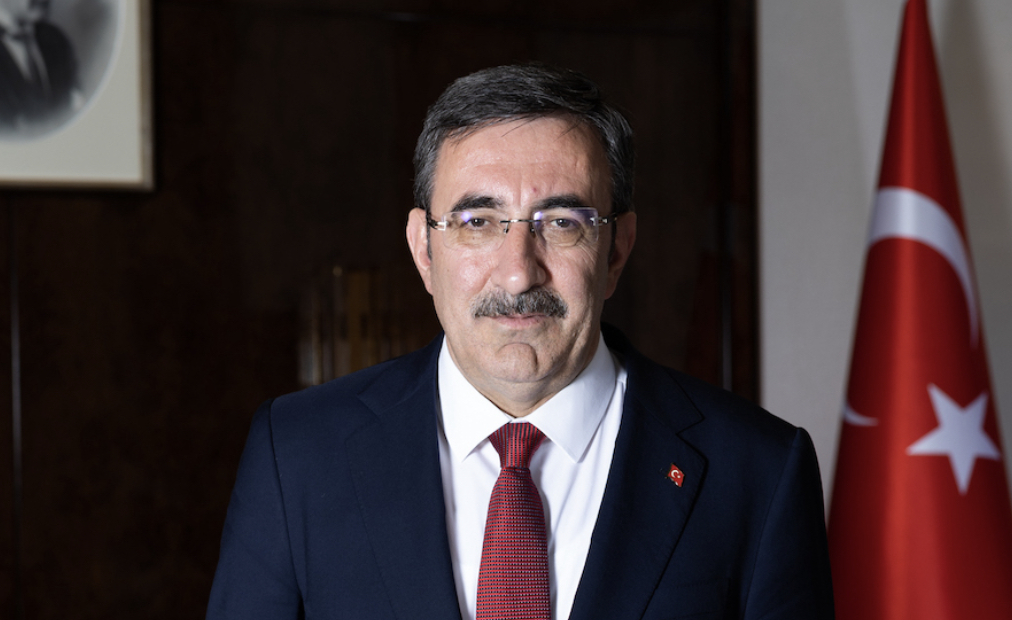 Cevdet Yılmaz
Türkiye is strengthening its economic and strategic partnership with Uzbekistan, aiming to expand trade, investments, and infrastructure connectivity, Vice President Cevdet Yılmaz announced at the Türkiye-Uzbekistan Business Forum on May 15.
“We currently have nearly 1,900 Turkish companies operating in Uzbekistan, with a total investment volume of $5.6 billion,” Yılmaz said. “These companies create jobs, contribute to public revenue through taxes, and export products. We expect this number to continue growing.”
Historic Bonds Fuel Modern Trade Ambitions
Yılmaz underscored the historical and cultural connection between the two nations, rooted in their shared Silk Road legacy, which has now evolved into a strategic economic partnership.
The recently concluded 8th Term Joint Economic Commission (JEC) resulted in key agreements involving both public institutions and private enterprises, reinforcing bilateral commitment to deepened cooperation.
Preferential Trade Deal to Expand
Türkiye and Uzbekistan agreed to broaden the scope of the existing Preferential Trade Agreement (PTA). The update will include a wider range of goods to help increase the trade volume, which currently stands at $3 billion, toward the target of $5 billion set by both governments.
Boosting Transport and Infrastructure Synergy
Yılmaz emphasized plans to enhance bilateral and transit road transport by eliminating transit permit requirements and aligning bureaucratic and physical infrastructure to reduce logistical costs—efforts that aim to improve regional trade competitiveness.
Broader Cooperation: From Tourism to Healthcare
Yılmaz called for strategic cooperation to expand beyond traditional sectors like industry and agriculture, proposing closer partnerships in tourism, healthcare, and food security.
“Türkiye ranks fourth globally in tourism, and we’re ready to share our know-how,” he noted, signaling interest in developing Uzbekistan’s tourism infrastructure.
He also identified healthcare, agriculture, and food production as critical sectors where the two nations could build long-term collaboration.