Türkiye Breaks All-Time Record in External Financing With $16.5 Billion
 mehmet-simsek
Türkiye has reached a historic milestone in external financing, securing $16.5 billion in concessional, long-term foreign funding within a single year. The achievement, led by the Ministry of Treasury and Finance, marks the highest level of favorable external financing in the country’s history, underscoring renewed international confidence in Türkiye’s economic program.
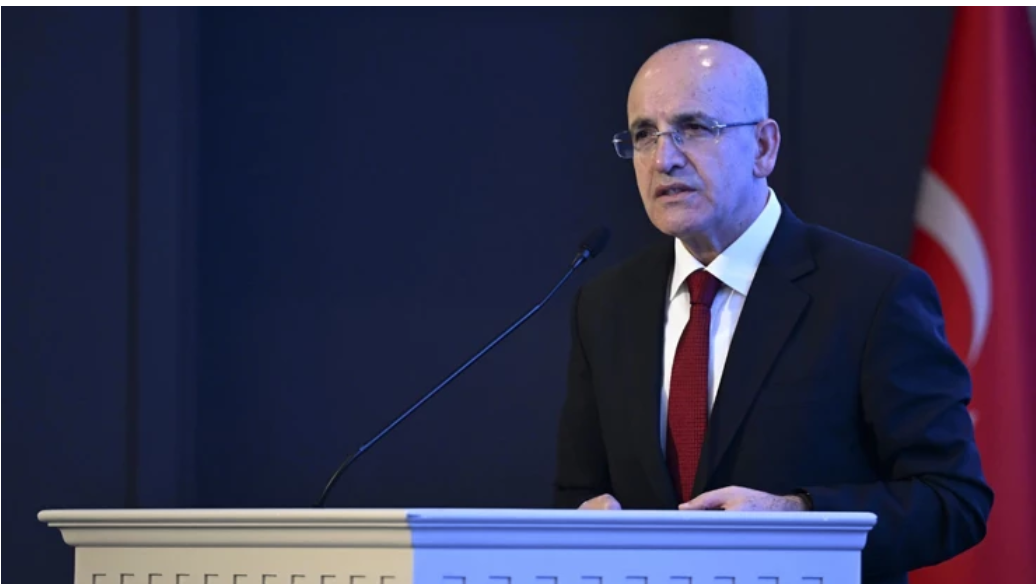
Treasury and Finance Minister Mehmet Şimşek highlighted the significance of this achievement, stating: “With this resource, Türkiye has broken the all-time record in external financing, also supported by confidence in the economic program.”
This record-breaking inflow comes at a critical time, as Türkiye continues its large-scale reconstruction and recovery efforts following the devastating earthquakes of February 6, 2023. The financing is designed not only to address immediate post-disaster needs but also to strengthen long-term economic resilience and sustainable growth.
Post-Earthquake Recovery Remains a Top Priority
The February 2023 earthquakes caused widespread destruction across multiple sectors, severely impacting infrastructure, housing, industry, and trade. Since then, reconstruction and regional redevelopment have remained at the forefront of government policy. Authorities have emphasized speed, scale, and sustainability in rebuilding efforts, aiming to restore economic activity while improving structural resilience.
As part of this strategy, the Ministry of Treasury and Finance has intensified its engagement with international financial institutions, focusing on securing long-term, low-cost external funding. These efforts are intended to ease fiscal pressure while ensuring that reconstruction and development projects continue without disruption.
The record level of external financing reflects not only the scale of Türkiye’s needs but also the credibility of its policy framework in the eyes of global lenders.
Strategic Role of International Development Financing
A substantial portion of the newly secured funds comes from cooperation with the Asian Infrastructure Investment Bank (AIIB), also known by its Turkish abbreviation AKB. These funds are being channeled into key financial institutions to support exporters, recovery initiatives, and capacity-building investments.
To address liquidity constraints faced by exporters operating in earthquake-affected regions, €500 million in financing has been provided to Türkiye Export Credit Bank (Türk Eximbank). This funding aims to safeguard export capacity, protect employment, and help firms regain momentum in international markets.
Exporters in disaster-hit regions play a crucial role in Türkiye’s foreign trade balance, and ensuring their access to affordable financing is viewed as a strategic economic priority.
Financing Green Energy and Capacity Expansion
Beyond export support, additional funding has been allocated to promote recovery, sustainability, and long-term development. Türkiye Development and Investment Bank (TKYB) has secured €150 million and $150 million from AIIB to be used for multiple objectives.
These resources will support post-earthquake economic normalization, finance renewable energy investments, and provide cost-effective funding for capacity expansion across strategic sectors. The emphasis on green energy aligns with Türkiye’s broader goals of energy security, climate adaptation, and sustainable growth.
By integrating reconstruction with clean energy and productivity-enhancing investments, policymakers aim to transform a period of crisis into an opportunity for structural improvement.
Confidence in the Economic Program Strengthens Access to Capital
Officials underline that the scale and terms of the financing were made possible by growing trust in Türkiye’s macroeconomic framework. International institutions have shown increased willingness to provide long-term funding under favorable conditions, reflecting confidence in fiscal discipline, policy coordination, and reform efforts.
Breaking the all-time record for external financing is seen not merely as a numerical achievement but as a signal of renewed international engagement with the Turkish economy. The funds are structured to minimize short-term repayment pressure while maximizing developmental impact.
Long-Term Implications for Türkiye’s Economy
The successful mobilization of $16.5 billion in concessional financing is expected to deliver multiple long-term benefits. These include accelerated reconstruction in earthquake-affected regions, improved access to finance for exporters and investors, and stronger momentum in renewable energy deployment.
Equally important, the record inflow reinforces Türkiye’s position within the global development finance ecosystem. Continued access to such funding could help stabilize external balances, support growth, and enhance resilience against future shocks.
Related articles
Inflation Expectations Improve, Minister Şimşek Says Trend Supports Disinflation
Turkey Posts Record $5.5 Billion Current Account Surplus in August
World Bank Raises Türkiye’s Growth Forecast as Confidence in Economic Program Grows, Says Minister Şimşek