



Türkiye Axes 20,000 Road Signs, Ends “Speed Trap” Era
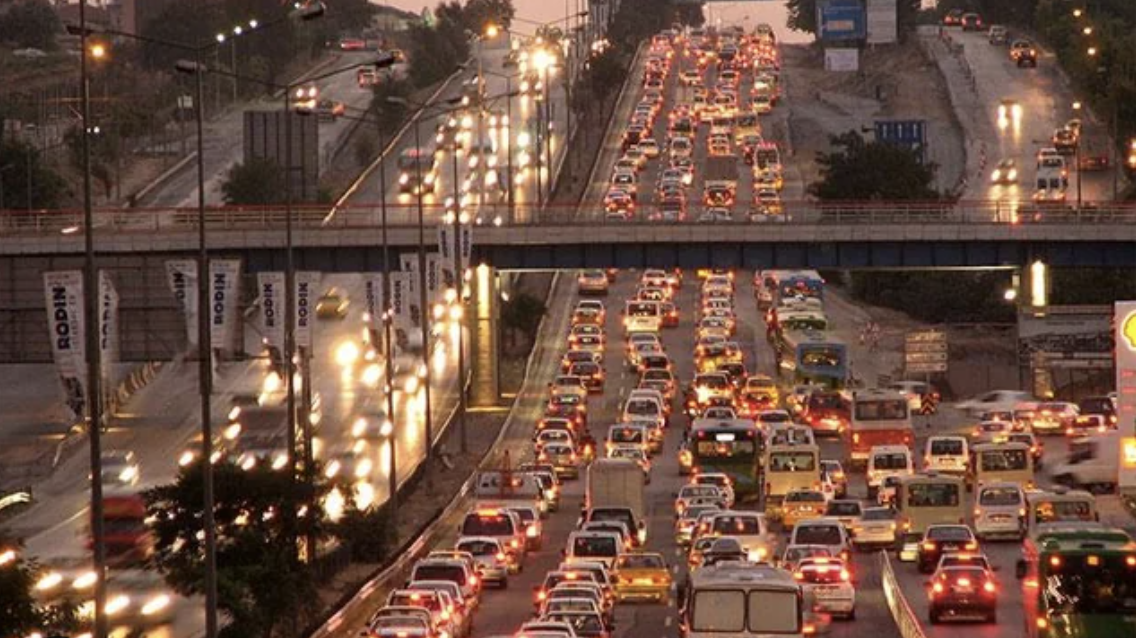 Traffic in Turkey
A sweeping traffic reform launched under a Presidential decree has transformed Türkiye’s road network. Nearly 20,000 traffic signs have been removed nationwide, as part of efforts to simplify confusing speed limits and eliminate revenue-driven radar systems. The Karadeniz coastal highway, long criticized for its inconsistent speed zones, now features a unified system — with limits raised from 82 km/h to 110 km/h in several sections.
From Chaos to Clarity on Karadeniz Roads
The reform, initiated under the August 15, 2024 Presidential directive, aims to create a cleaner, safer, and more logical driving experience. The General Directorate of Highways and the Ministry of Interior jointly oversaw the removal of redundant or misleading traffic signs. Drivers on the Karadeniz route will no longer face sudden drops from 80 km/h to 50 km/h in open stretches or near sparsely populated areas. Instead, simplified speed regulations now promote consistency and road safety.
20,000 Signs Taken Down Nationwide
In total, about 20,000 traffic signs were dismantled across the country, most of them in areas where drivers frequently complained about unfair fines or sudden speed changes. On the Karadeniz coastal road, zones with unnecessarily low limits — especially between 50 and 80 km/h — have been abolished. In regions without residential settlements, speed zones were unified or removed entirely, resulting in smoother traffic flow and fewer abrupt slowdowns.
Updated Speed Limits by Region
Under the new system, Çerkes retains its existing 82 km/h speed limit, while Atkaracalar now allows up to 110 km/h. Small rural settlements with only a few houses are no longer classified as restricted zones, allowing drivers to maintain steady speeds without confusion. Officials say these updates will not only enhance comfort and safety but also reduce fuel consumption and improve traffic efficiency.
Osmancık’s “Trap Zone” Problem Solved
One of the most significant changes affects Osmancık, notorious among drivers for sudden speed drops and heavy radar enforcement. The area had become infamous on social media under the tag “Osmancık Victims”, where motorists shared stories of receiving fines for unmarked speed shifts. Under the new regulation, the 50 km/h limit on the main road has been eliminated, replaced with a 70 km/h cap within residential areas. The 82 km/h section toward Samsun has also been removed. Several pedestrian crossings and intersections have been redesigned for better visibility and safety.
End of Revenue-Based Radar Cameras
Perhaps the most impactful reform involves the removal of private radar-operated Electronic Monitoring Systems (EDS) that had been generating revenue for municipalities through fine-sharing contracts with private companies. These controversial systems — long accused of serving as “speed traps” rather than safety tools — have been completely dismantled.
From now on, traffic enforcement will be handled exclusively by public authorities, restoring public trust and ensuring that fines serve their intended purpose: safety, not profit.
A Move Toward Safer, Simpler Roads
Officials describe the overhaul as part of a broader effort to align Türkiye’s road regulations with international safety standards while reducing unnecessary bureaucracy. The elimination of excessive signage and profit-oriented enforcement marks a shift toward driver-centered road governance, focused on clarity, fairness, and accident prevention.
With speed limits rationalized and enforcement simplified, Türkiye’s highways — particularly along the Black Sea corridor — are expected to see improved safety, lower accident rates, and a more transparent traffic management system in the years ahead.