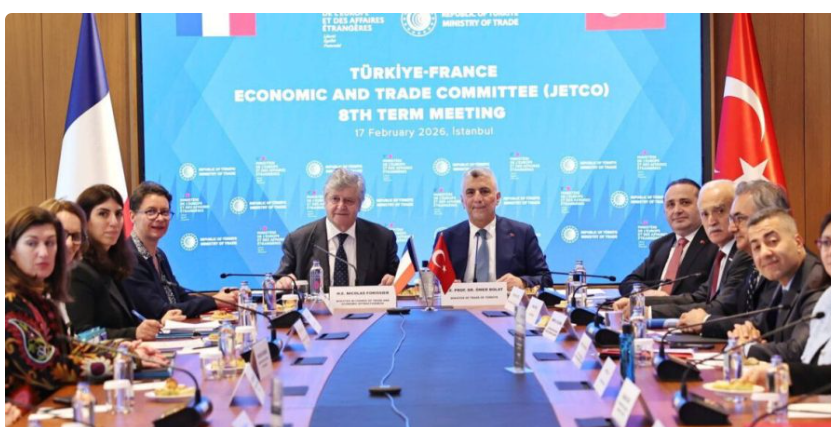
Turkish Trade Minister Signals Possible Sunday Closures for Supermarkets Amid Consumer Protection Push
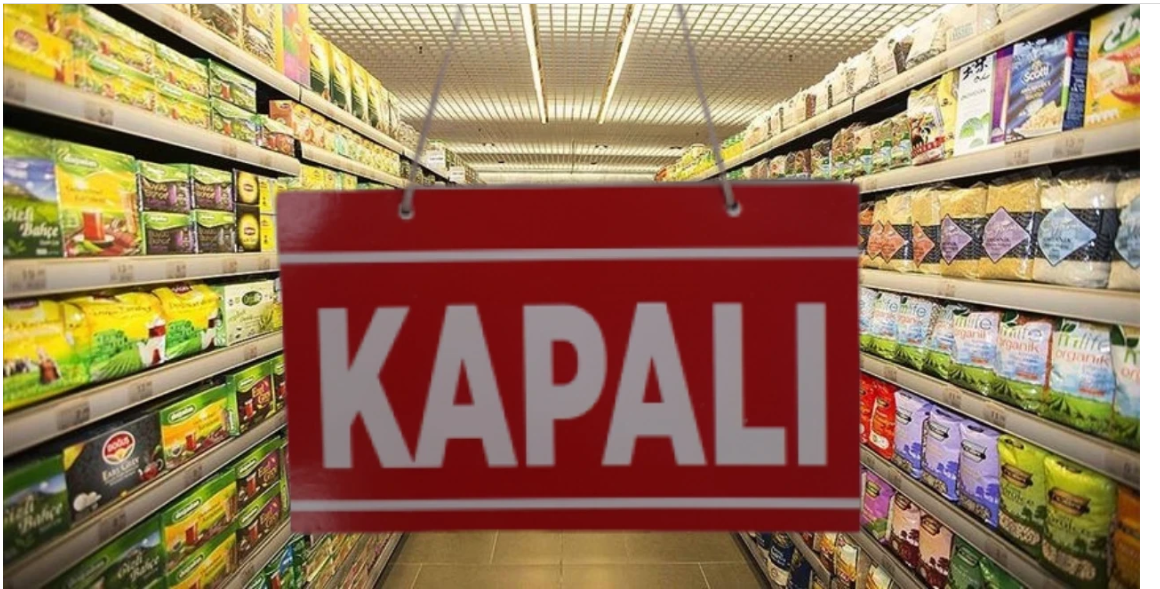 market-kapali
Turkey’s Trade Minister Ömer Bolat has addressed growing speculation about whether supermarkets might be required to close on Sundays, along with a broad set of regulatory efforts to rein in unfair pricing, deceptive advertising, and exploitative business practices.
In remarks that spanned a range of issues from digital advertising violations to subscription services, Minister Bolat clarified that while there is currently no official plan to mandate Sunday closures for retailers, regional regulations could be implemented if major trade associations submit a joint request.
“Retail operating hours can be determined at the regional or national level by our ministry if the top trade associations—namely the Union of Chambers and Commodity Exchanges of Turkey (TOBB) and the Confederation of Tradesmen and Artisans of Turkey (TESK)—submit a joint proposal,” Bolat explained. “At present, no such joint request has reached our ministry. However, governors at the provincial level do have the authority to set working hours for retail businesses in their jurisdictions.”
The statement follows recent demands by the Turkish Retailers Federation (TPF), which called for Sunday closures to support small businesses and ease pressure on employees.
Crackdown on Price Gouging and Stockpiling
Bolat also emphasized the government’s aggressive monitoring of unfair pricing and stockpiling practices, which have become growing concerns amid high inflation and ongoing economic uncertainty.
“Our ministry continues market surveillance and inspection activities across all 81 provinces. To date, over 190,000 businesses and more than 1.4 million products have been inspected on a daily basis,” Bolat said.
“Businesses found to have engaged in excessive price hikes or stockpiling have faced TL 950 million in administrative fines through the Unfair Price Evaluation Board.”
₺173 Million in Fines for Misleading Ads
The Advertising Board has also been active in combating deceptive and misleading marketing tactics. In the first eight months of 2025, the board reviewed 18,034 cases and found 1,035 in violation of advertising regulations, resulting in ₺173.1 million in fines.
“We’re also working on new regulations that can respond to evolving market dynamics and technological trends,” Bolat added, signaling tighter oversight in digital and influencer marketing.
Fake Discounts Under Scrutiny
One key area of enforcement involves so-called “fake discount” campaigns, particularly around major shopping seasons like November sales. Bolat noted that regulators examine whether previous prices were accurately displayed, whether the 30-day lowest price rule was followed, and if loyalty card promotions are used to falsely inflate discount perceptions.
“We don’t allow misleading discount practices that create a false sense of urgency. We’re monitoring these campaigns closely, and fines are imposed for violations,” he said, noting that penalties are adjusted annually according to inflation.
Health and Food Sectors Top Consumer Complaints
The Advertising Board has received a significant number of consumer complaints, particularly in the health and food sectors. Many of the complaints concern covert advertising and misleading promotions across multiple platforms, including social media influencers, which account for around 5% of total complaints.
Price Labeling Under the Microscope
Another target of ongoing scrutiny is price labeling. The ministry has warned against deceptive tags that suggest greater discounts than actually offered.
“In 2025 alone, around TL 650 million in administrative fines have been imposed for violations related to price tags,” Bolat said, adding that provincial trade directorates are conducting widespread inspections.
Subscription Services Also Face Penalties
The ministry has also taken action on digital subscription services, particularly in telecommunications and internet sectors, which affect millions of consumers.
“We treat complaints in this area with great care and closely monitor both social media and complaint platforms,” Bolat said.
“From 2024 through the first nine months of 2025, we imposed fines totaling TL 33.8 million on 21 companies found to have violated regulations.”
IMPORTANT DISCLOSURE: PA Turkey intends to inform Turkey watchers with diverse views and opinions. Articles in our website may not necessarily represent the view of our editorial board or count as endorsement.
Follow our English language YouTube videos @ REAL TURKEY: https://www.youtube.com/channel/UCKpFJB4GFiNkhmpVZQ_d9Rg
And content at Twitter: @AtillaEng
Facebook: Real Turkey Channel: https://www.facebook.com/realturkeychannel/
Related articles

Turkey to Reopen Strategic Middle East Trade Corridor via Syria by 2026
Cyprus Talks Could Unlock EU–Turkey Customs Union Modernisation, Brussels Summit Signals

Turkey sets target for 1.5% share of global FDI by 2028, says Trade Minister