Turkish economist: Why Mehmet Şimşek Fell Short: A Data-Based Look at Turkey’s Missed Economic Targets
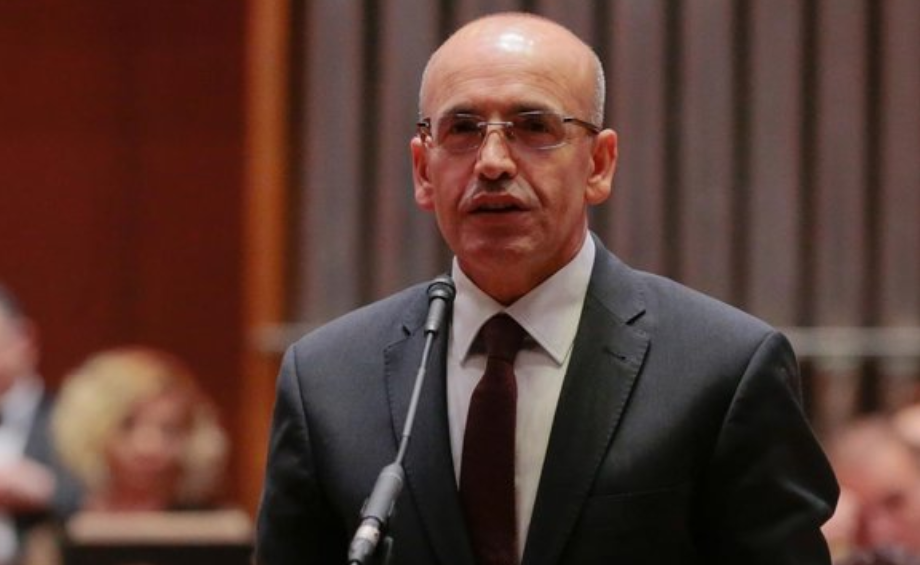 mehmet-simsek2
Summary:
The debate over who truly shapes Turkey’s economy — Vice President Cevdet Yılmaz or Finance Minister Mehmet Şimşek — is heating up. While political success is often credited to the presidency and Yılmaz, shortcomings are increasingly associated with Şimşek. A review of Turkey’s Medium-Term Program (OVP) targets versus actual results shows significant slippage in exports, imports, growth-driven employment targets, and — most critically — inflation.
Author Ibrahim Kahveci
The OVP Promises vs Reality
In September 2023, after returning to office, Şimşek announced the 2024–2026 Medium-Term Program with ambitious goals.
Official Targets (OVP):
| Indicator | 2024 | 2025 | 2026 |
|---|---|---|---|
| Growth (%) | 4.0 | 4.5 | 5.0 |
| Inflation (%) | 33.0 | 15.2 | 8.5 |
| Employment (million) | 32.428 | 33.340 | 34.381 |
| Exports ($bn) | 267 | 283.6 | 302.2 |
| Imports ($bn) | 372.8 | 388.9 | 414.0 |
Where things stand now:
-
Current annual exports: $270.6bn
→ Target requires $36.4bn in December alone — unrealistic -
Current annual imports: $361.9bn
→ Still $27bn short of year target
Bottom line: Economic activity underperformed projections.
Employment Signals the Slowdown
-
Employment target for 2025: +912,000 jobs
-
Actual change: –1,000 jobs (net decline)
The government now frames 3.5% growth as a success, but the underlying composition appears too weak to lift employment.
Inflation: The Biggest Deviation
When Şimşek took office in June 2023, inflation was 38.21%.
Today it stands at 31.07% — a decline of just 7 points in 2.5 years.
But achieving that reduction came with trade-offs:
-
FX suppressed:
Lira should be ~66.85 TL per USD today based on real price movements — instead ~42 TL
→ Roughly 58% currency suppression -
Oil advantage: Brent fell from $75 to ~$63
-
Official inflation credibility gap widened:
| Period Jun’23–Nov’25 | Increase (%) |
|---|---|
| TÜİK CPI | 157.7% |
| ITO Istanbul CPI | 197.7% |
| TÜRK-İŞ Ankara Food | 187.5% |
Analysts call this the period of “suppressed inflation reporting.”
Did Şimşek succeed or fail?
He failed to meet growth-employment-trade targets
He barely reduced inflation in real terms
He relied heavily on FX suppression to manage optics
But — he prevented a balance of payments crisis.
Many economists credit Şimşek with averting a full financial collapse, even if at significant cost.
Structural Obstacles Beyond Şimşek
The article argues that core challenges are political, not just technocratic:
Risk factors that undermined the reform path:
-
Presidential power concentration & unpredictability
-
Post-March 19 political interventions
-
Pressure from lobby interests & “palace barriers”
-
Unwillingness to challenge oligarchic contractors
As a result, tax burden shifted downward:
“He couldn’t touch the wealthy — instead taxes hit waiters’ tips and couriers’ wages.”
The Verdict
Şimşek slowed inflation marginally and bought time — but at the expense of real incomes, FX stability, and statistical confidence.
Without structural reform and political backing, lasting success was always unlikely.
It wasn’t just an economic problem — it was a system problem.
PA Turkey informs with independent analysis and diverse commentary. Content may not represent editorial endorsement.
Follow REAL TURKEY on YouTube & @AtillaEng