Turkey’s Role in Gaza Stabilization Force Draws Major Attention in Israeli Media
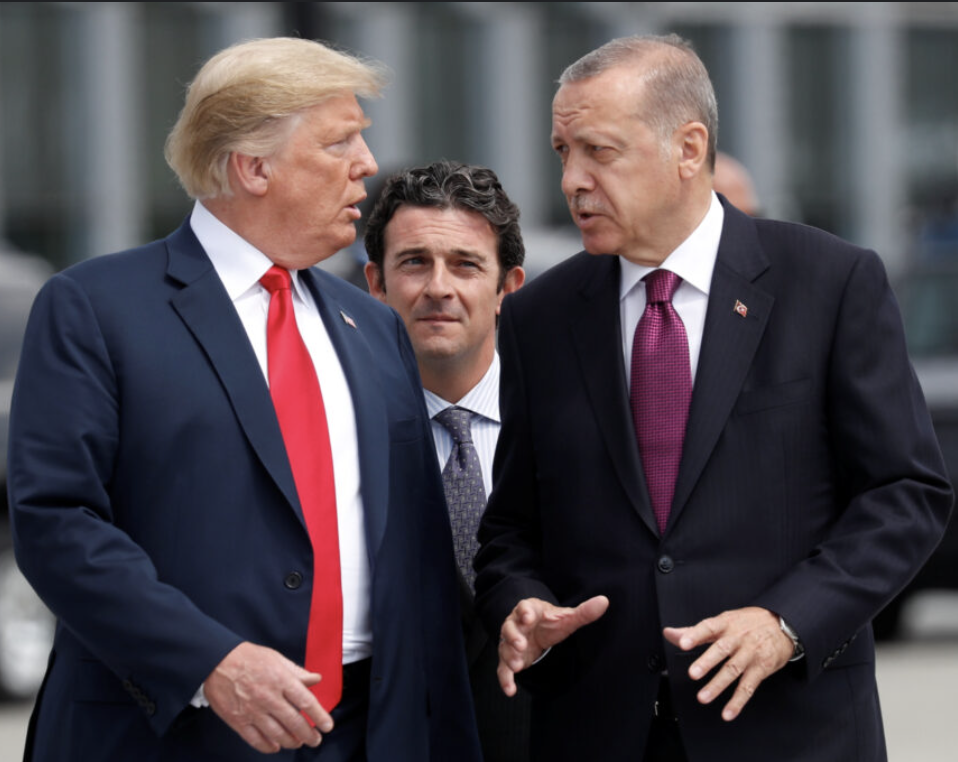 Trump & Erdoğan
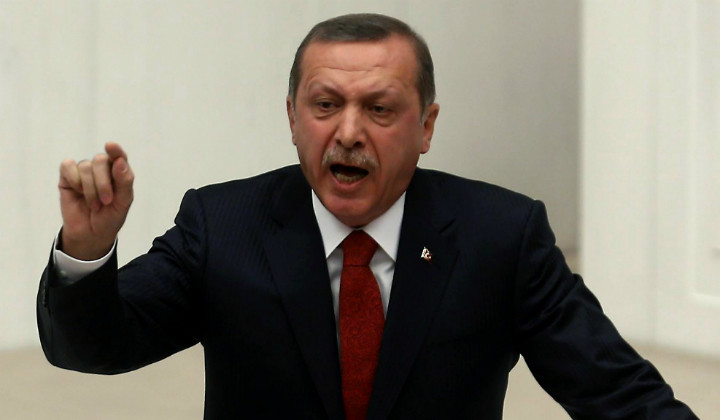
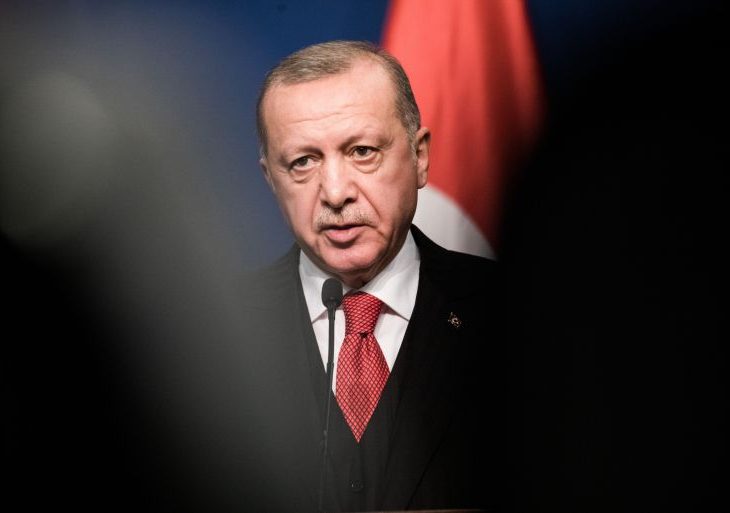
Turkey’s potential participation in the proposed International Stabilization Force (ISF) for the Gaza Strip is generating significant discussion in Israel, particularly in the pages of Haaretz. A recent analysis in the newspaper emphasizes that Ankara’s involvement is closely intertwined with the personal rapport between U.S. President Donald Trump and Turkish President Recep Tayyip Erdoğan.
According to the analysis, Turkey has succeeded in strengthening its position by playing a key role in advancing the Gaza ceasefire process, thereby securing support from Washington. The report suggests that President Erdoğan aims to use this diplomatic momentum to expand Turkey’s influence in the broader Middle East at a time when the region is experiencing deep political realignments.
A Relationship Dubbed a “Bromance”
As reported by Independent Turkish, U.S. Ambassador to Ankara Tom Barrack described the relationship between Trump and Erdoğan as a “bromance” during the Milken Institute conference in the United Arab Emirates—an illustration of how visible and strategically important their closeness has become.
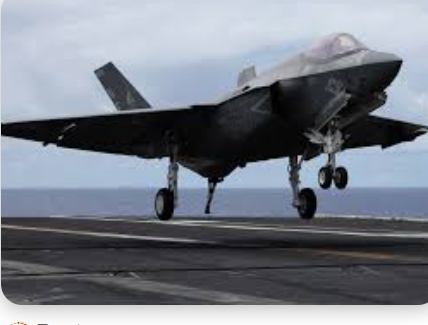
At the same event, Trump’s Special Envoy for Syria argued that Israel should permit Turkey to join the ISF, asserting that such participation would strengthen Ankara–Tel Aviv relations. The envoy added that progress was being made toward resolving the long-standing issue surrounding Turkey’s involvement in the F-35 program, noting that a solution appeared to be approaching.
The Haaretz analysis also raises the possibility that Trump could use approval of F-35 sales as a lever of pressure on Israel, especially if Israel maintains its objections to Turkey’s presence in the ISF.
A 20-Point Peace Plan Backed by Trump, Turkey, Egypt and Qatar
The stabilization effort is part of a broader 20-point peace plan championed by Trump, with Turkey, Egypt and Qatar serving as guarantors. The blueprint envisions:
-
The cessation of hostilities in Gaza
-
Disarmament of Hamas
-
The transfer of governance to a committee of Palestinian technocrats
-
The deployment of an International Stabilization Force to secure the transition
Despite the plan’s ambitions, Israel has consistently and openly opposed the idea of Turkish troops participating in any ISF mission.
Why Turkish Participation Could Reduce Risk
However, the Haaretz commentary suggests that Turkey’s involvement could, in fact, have positive implications for stability in Gaza. Analysts argue that a mission with Turkish forces might:
-
Enhance the functionality and credibility of the technocrats committee
-
Provide international organizations with a more secure operating environment
-
Reduce the likelihood of Hamas launching attacks, given the deterrent effect of the Turkish military presence.
These points reflect the view that Turkey’s participation could contribute to a more predictable and manageable transitional period in Gaza.
Possible Geopolitical Repercussions for Israel
The analysis concludes with a striking observation: if U.S.–Turkey relations strengthen further and Trump decides in favor of Turkey’s deployment to the ISF, Israel may find itself in a politically constrained position. The report states:
“In such a scenario, Israel could be heading toward a new confrontation with Trump. The cards in Israel’s hand would be weaker than those in Erdoğan’s.”
This framing underscores a potential diplomatic dilemma for Israel, which must balance its security concerns with the geopolitical priorities of Washington and Ankara. The situation could redefine regional alignments, with Turkey gaining substantial leverage through both its military capabilities and its strategic partnerships.
A Critical Decision Point Ahead
Turkey’s interest in contributing to the ISF highlights its broader ambition to shape developments in Gaza and recalibrate its influence across the Middle East. As diplomatic negotiations continue, Ankara’s military capacity, its role in the ceasefire process, and the evolving dynamics of the Erdoğan–Trump relationship will remain central to determining whether Turkey ultimately joins the stabilization mission.