Turkey’s Polls Send Mixed Signals as CHP Rises and AKP Holds Its Ground
 anket3
Summary:
Two major Turkish pollsters — KONDA and Panorama — have reportedly shared “confidential” surveys with their VIP clients suggesting a notable rise in support for the opposition CHP and a narrowing gap with the ruling AKP. However, new polls from Optimar and ORC paint a different picture, showing the AKP still ahead nationwide. The divergence highlights growing uncertainty in Turkey’s political landscape as the economy weakens and judicial controversies intensify.
Leaked “Confidential” Polls Shake Ankara
Two of Turkey’s most prominent research firms, KONDA and Panorama, have seen their VIP-only, “confidential” election surveys leaked to the press. Journalist Ertuğrul Özkök revealed the findings, which suggest that the CHP is approaching the 40% mark — its highest level in years — while the AKP trails closely behind.
According to the leaked September data:
-
CHP: 36.6%
-
AKP: 34.3%
-
DEM Party: 8.2%
-
MHP: 5.1%
-
Victory Party: 4.3%
-
YRP: 2.7%
-
Key Party: 2.7%
-
Good Party (İYİ): 2.3%
-
Others: 3.7%
The results, if confirmed, would mark the first time since 2011 that the CHP has come within striking distance of 40% nationally.
Public Backlash Against Trustees and Trials
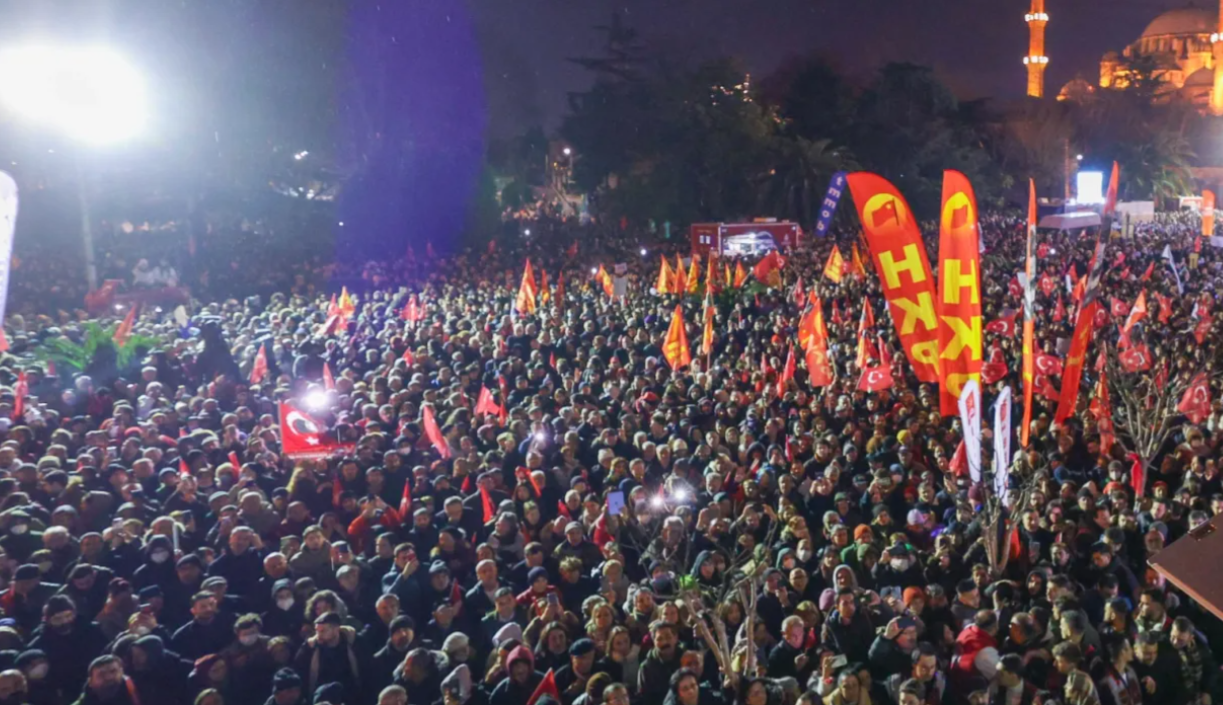
Both KONDA and Panorama found growing public resentment toward politically charged trials and trustee appointments targeting opposition mayors.
Their data show that:
-
60% of respondents believe the trials are politically motivated,
-
54% say government-appointed trustees are “wrong or undemocratic.”
Since July, the share of voters who think these legal processes are legitimate has dropped by two points, underlining a steady erosion of judicial credibility in the eyes of the public.
KONDA: Cracks Inside the Ruling Alliance
KONDA’s September 11 confidential memo points to fragmentation within the ruling People’s Alliance (Cumhur İttifakı).
The firm notes that a segment of traditional AKP and MHP voters are drifting toward CHP and Ekrem İmamoğlu, signaling incipient cracks in Erdoğan’s electoral base.
Although one in three voters remains loyal to Erdoğan, the data suggest ideological fatigue and economic disillusionment among his supporters.
Panorama’s “second preference” question adds another layer of concern for the ruling bloc:
-
38.9% say they would “never vote for another party,”
-
but AKP ranks only sixth among those open to a second choice — with just 3.9% support.
By contrast, MHP (13.9%), CHP (7.1%), and Victory Party (6.3%) attract more crossover appeal.
CHP’s Momentum: Özgür Özel’s Leadership Paying Off
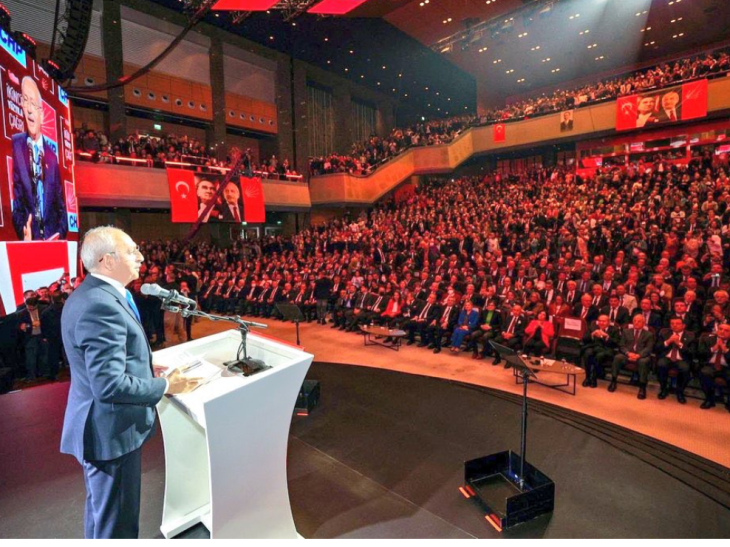
The surveys indicate that CHP leader Özgür Özel’s performance continues to strengthen the opposition’s standing.
His “calm but assertive” style has appealed to undecided voters and disillusioned conservatives, particularly in urban areas.
Panorama forecasts that if this trend continues, the CHP could break the 40% threshold by early 2026 — a level unseen in decades.
Optimar and ORC Paint a Different Picture
Pro-government research firms Optimar and ORC have released their own data that contradict the KONDA-Panorama narrative.
According to ORC’s late-September poll, conducted in 26 provinces:
-
AKP: 31.5%
-
CHP: 29.8%
-
DEM Party: 8.5%
-
MHP: 8.1%
-
Good Party: 6.1%
-
Victory Party: 3.1%
-
YRP: 2.5%
-
Others: below 3%
Notably, just two weeks earlier, ORC had CHP in first place with 32.5%, suggesting volatile voter sentiment and shifting loyalties.
Meanwhile, Optimar’s nationwide poll — based on 2,000 computer-assisted telephone interviews across 81 provinces — shows:
-
AKP: 35%
-
CHP: 29.6%
-
DEM Party: 9.3%
-
MHP: 8.7%
-
Good Party: 6%
These results suggest that the AKP remains stronger in Anatolian provinces, while the CHP gains ground in major metropolitan areas such as Istanbul, Ankara, and Izmir.
Diverging Narratives, Uncertain Outlook
The latest data collectively point to a fragmented and unpredictable political landscape:
-
CHP appears to be consolidating its lead in major cities, benefiting from economic frustration and judicial backlash.
-
AKP maintains resilience among core and rural voters, with its organizational network still unmatched.
-
Smaller parties like MHP, İYİ, and Zafer continue to bleed support to both major blocs.
Political analysts warn that judicial overreach, inflation, and local governance disputes could shape the next election cycle as much as party loyalty itself.