Turkey’s Parliament Sees Shift in Seat Distribution After Resignations
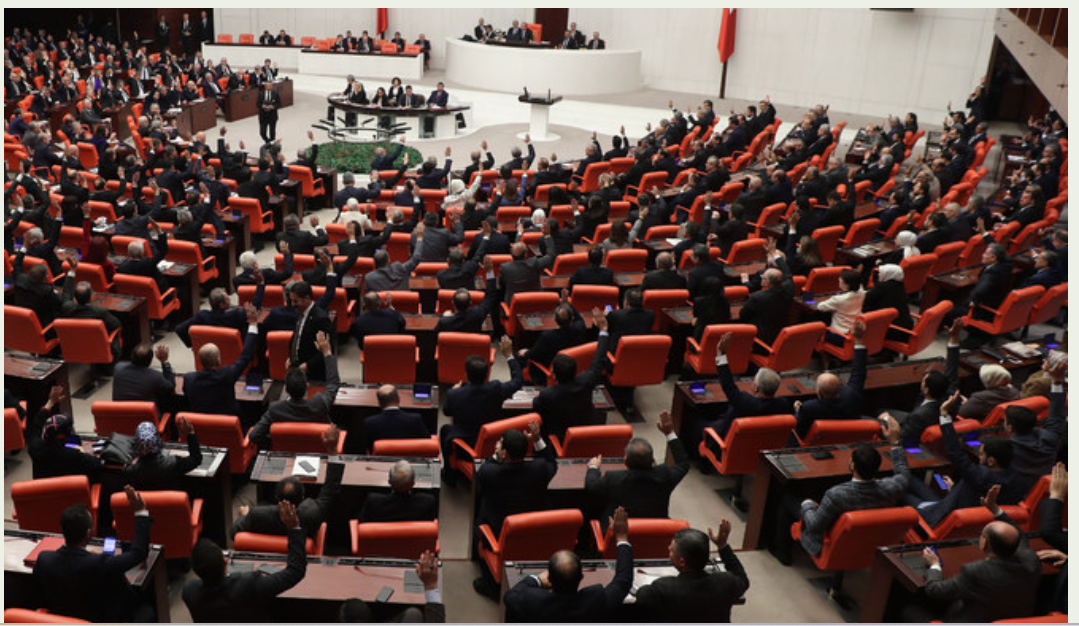 Turkish Parliament
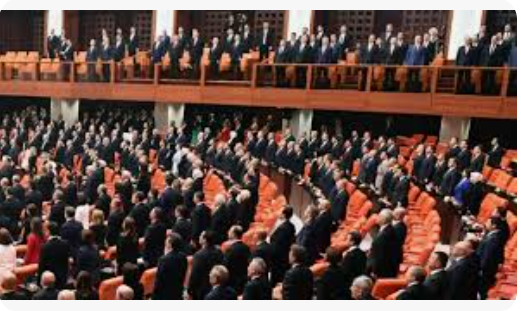
The Turkish Grand National Assembly (TBMM) has undergone a significant change in its parliamentary seat distribution, following multiple resignations and political transitions. The number of independent deputies in Parliament has now climbed to 14, reflecting ongoing shifts in the country’s political landscape.
Most recently, three MPs from Istanbul—Doğan Demir, İsa Mesih Şahin, and Selim Temurci—announced their resignation from the Future Party (Gelecek Partisi). Their departure marks another step in the reconfiguration of party representation within Turkey’s legislative body.
In addition to these resignations, Parliament has seen several other changes. The deaths of Saadet Party’s Hasan Bitmez and DEM Party’s Sırrı Süreyya Önder, as well as the revocation of TİP MP Can Atalay’s parliamentary status, have all contributed to a reduction in the total number of active lawmakers.
Moreover, AK Party’s Murat Kurum left his parliamentary post after being appointed Minister of Environment, Urbanization and Climate Change, while four CHP deputies—Burcu Köksal, Abdurrahman Tutdere, Hasan Baltacı, and Ahmet Önal—resigned from Parliament upon being elected as mayors in their respective provinces.
As a result, the total number of MPs in TBMM has dropped from 600 to 592.
Current Seat Breakdown in the Turkish Parliament:
-
Justice and Development Party (AKP): 272
-
Republican People’s Party (CHP): 135
-
Peoples’ Equality and Democracy Party (DEM): 56
-
Nationalist Movement Party (MHP): 47
-
İYİ Party: 29
-
New Path Party: 21
-
Independents: 14
-
New Welfare Party (Yeniden Refah): 4
-
Free Cause Party (HÜDA PAR): 4
-
Workers’ Party of Turkey (TİP): 3
-
Democratic Regions Party (DBP): 2
-
Labour Party (EMEP): 2
-
Felicity Party (Saadet): 1
-
Democratic Left Party (DSP): 1
-
Democrat Party: 1
This dynamic reshuffling of parliamentary seats highlights the fluid nature of Turkish politics, especially as local elections, government appointments, and party loyalty continue to influence the balance of power in TBMM.