Turkey’s October Inflation Eases to 32.87%, but Food and Services Keep Pressure High
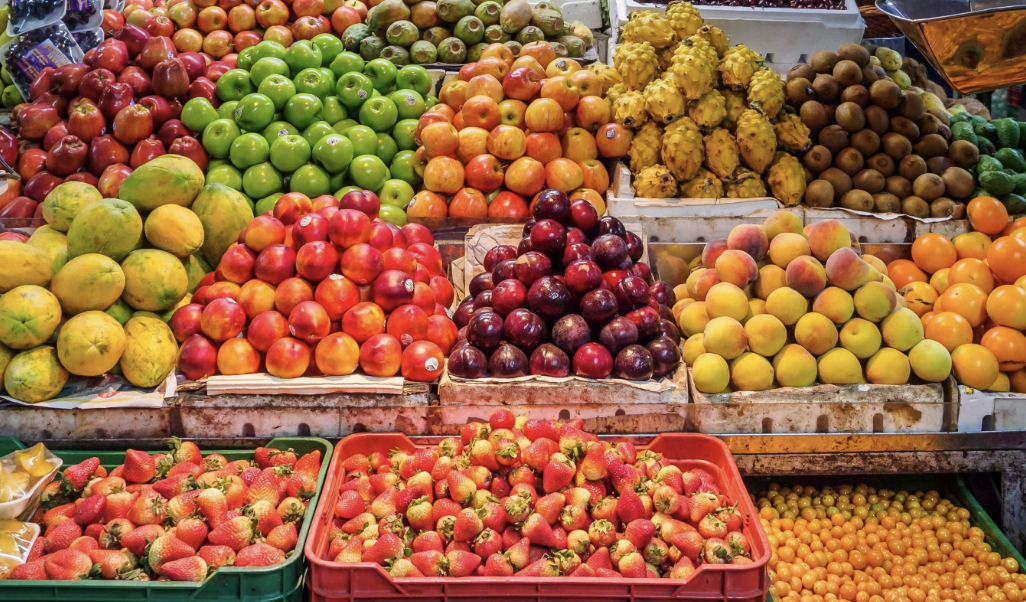 food prices
The Central Bank of the Republic of Turkey (CBRT) has released its October Price Developments Report, offering an in-depth look at the country’s inflation dynamics. According to the report, the Consumer Price Index (CPI) rose 2.55% month-on-month, while annual inflation declined by 0.42 points to 32.87%. Despite this moderation, food and services continued to drive inflationary pressures, even after adjusting for seasonal factors.
Food and Services Remain the Main Drivers
The CBRT emphasized that inflation’s underlying trend eased slightly in October, yet price increases in food and services remained strong contributors. The report revealed that unprocessed food prices surged by 4.52%, led by vegetables, poultry, eggs, and nuts. However, lower-than-expected price increases in fresh fruits and vegetables helped mitigate the overall impact.
The Food and Non-Alcoholic Beverages category recorded a 3.41% monthly increase, while its annual inflation eased modestly by 1.19 points to 34.87%. Meanwhile, the services group saw a 1.79% monthly rise, marking a slowdown compared to previous months. Seasonally adjusted data showed that service prices moved sideways, indicating a temporary stabilization.
Housing and Rent Costs Stay Elevated
One of the most notable pain points continues to be housing and rent inflation. According to the report, rents rose 3.74% in October, bringing the annual rent inflation to 66.28%, even after a slight decline. Persistent rent increases remain a major structural challenge, contributing to the sticky nature of inflation in Turkey’s urban centers.
The transportation sector also saw a 1.81% increase in prices, pushing its annual inflation up to 41.33%. The Central Bank noted that urban passenger transport costs rose sharply, while intercity bus and airline fares continued to decline, reflecting diverging trends within the transportation category.
Core Inflation Shows Slight Improvement
According to the CBRT, core inflation, which excludes volatile items like food and energy, exhibited a modest slowdown. On a seasonally adjusted basis, the monthly inflation trend weakened compared to September, though three-month averages showed little change — a sign that the overall disinflation momentum remains fragile.
Within the core goods category, prices rose 3.20% month-on-month, largely due to the new season transition in clothing and footwear, while annual inflation in this group declined to 19.23%.
Moderate Gains in Durable Goods
In durable consumer goods, modest price increases were reported. Automobiles rose 0.89%, and white goods climbed 0.96%, reflecting a more contained inflation trend in durable categories compared to earlier in the year.
Producer Prices Edge Up
On the production side, the Domestic Producer Price Index (D-PPI) increased 1.63% month-on-month, with annual producer inflation rising slightly by 0.41 points to 27.00%. The CBRT noted that the increase was mainly driven by durable goods and jewelry, signaling ongoing cost pressures in certain manufacturing segments.
CBRT Outlook: Slight Easing, Persistent Pressures
The CBRT concluded that while monthly inflation momentum softened, underlying price dynamics across key sectors — particularly food, housing, and services — continue to exert upward pressure. The Bank observed that, despite short-term improvement, three-month moving averages indicate no clear shift in inflation’s core trend.
Economists commenting on the report agree that structural factors, such as high food costs and entrenched rent inflation, limit the CBRT’s ability to bring inflation down rapidly. The October data reinforces that while headline inflation is easing, domestic demand and sectoral rigidities remain major obstacles to sustained disinflation.
Related articles
CBRT Warns: Disinflation Loses Momentum as Prices Stay Sticky
ANALYSIS: April 2025 CPI: Some Deterioration, But Not Drastic
Bad Loans Surge 85% as Turkish Banks Break Record in Debt Sales