Turkey’s New Minimum Wage Covers Just 9 Days of Food, BİSAM Report Warns
 Wages in Turkey
A new report has laid bare the stark reality facing millions of low-income workers in Turkey as the country prepares to implement a revised minimum wage in early 2026. According to an in-depth analysis by Research Center on Income Distribution and Living Conditions (BİSAM), the newly announced minimum wage—set below the hunger line for the first time—is insufficient to cover even the most basic needs of a working family.
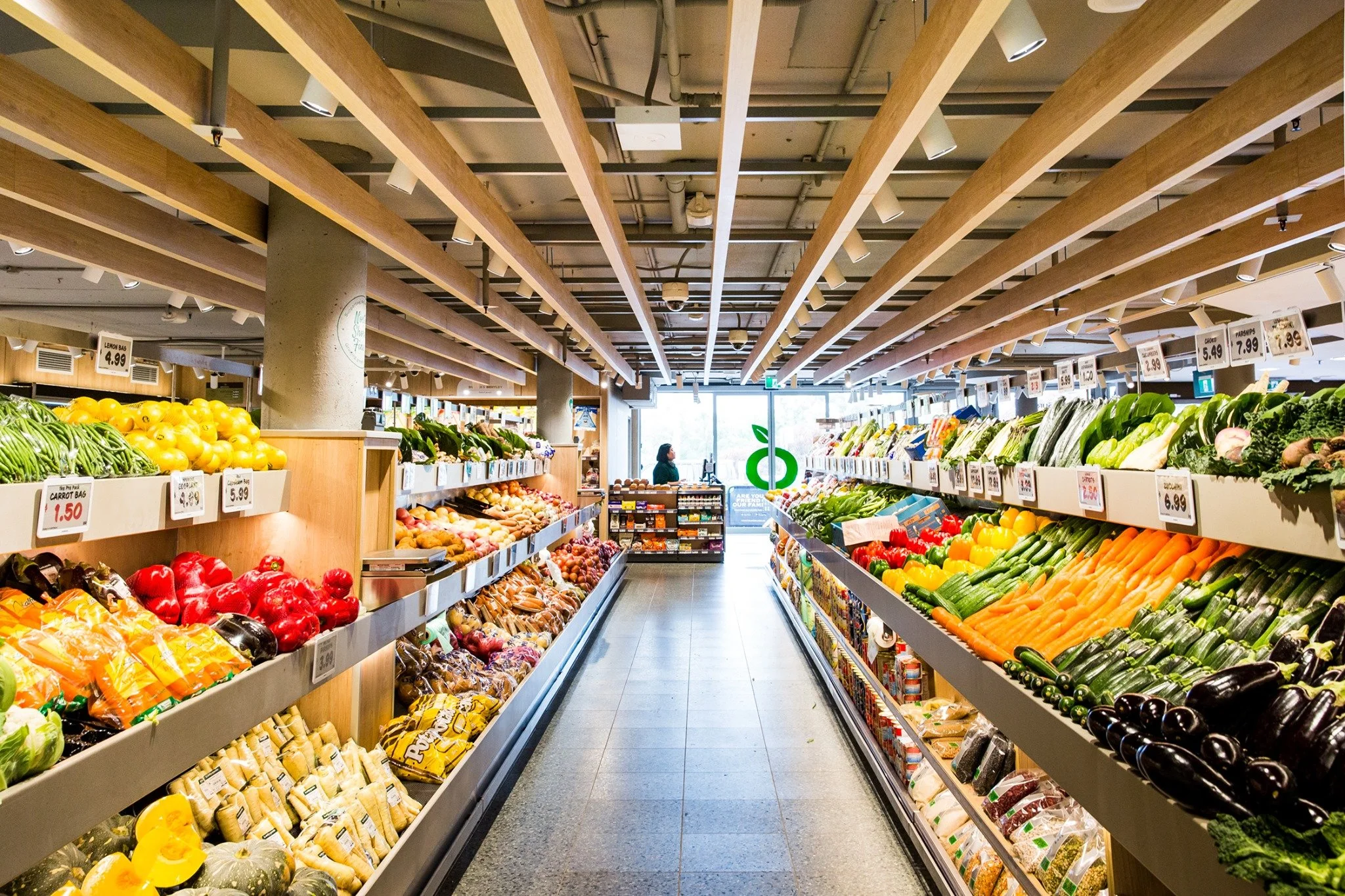
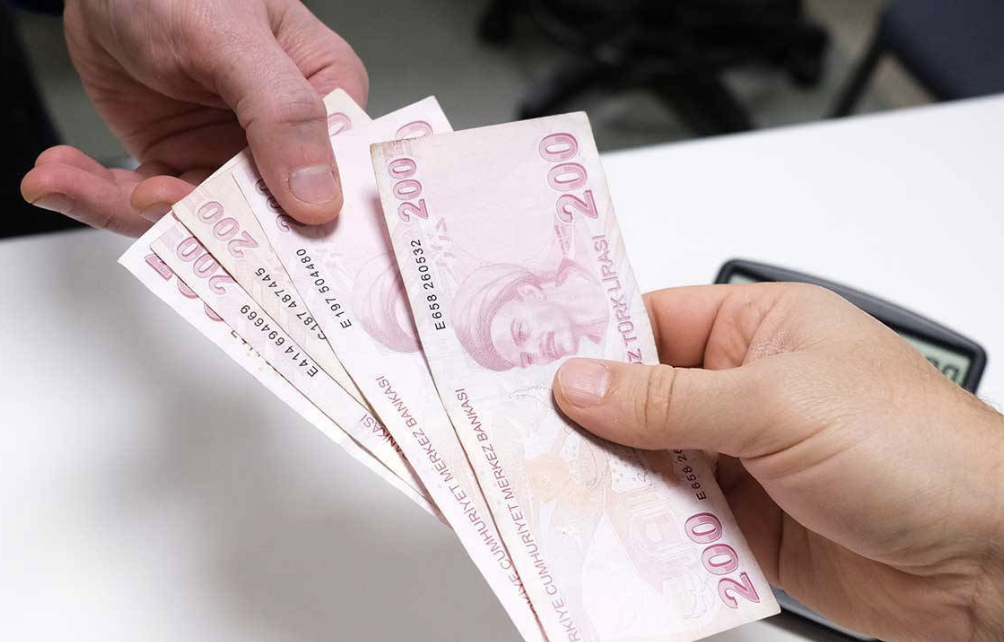
The minimum wage, increased by 27% to 28,075 TL, has drawn widespread attention amid soaring food prices, rent, and transportation costs. BİSAM’s “Living on the Minimum Wage” report paints a sobering picture: a family supported by a single minimum-wage earner can afford adequate nutrition for only nine days per month.
A Wage Increase That Fails the Reality Test
While the headline figure suggests a meaningful raise, the report emphasizes that the real purchasing power of the new wage is deeply eroded by inflation. BİSAM’s analysis focuses on a household model involving two children and a non-working spouse, reflecting the situation of many minimum-wage earners.
The findings show that the new wage falls dramatically short across nearly every category of essential spending—from food and housing to education and transportation—highlighting how far official wage adjustments lag behind actual living costs.
Food Budget in Crisis: Just 22 TL Per Meal
According to reporting by BirGün, BİSAM’s calculations reveal that maintaining a healthy and balanced diet has become virtually impossible for minimum-wage households.
Based on the February salary projection:
The daily food budget for the entire family is limited to 267 TL.
That translates into 89 TL per person per day for three meals.
Per meal, each family member is left with just 22 TL.
With a total monthly food allocation of roughly 8,000 TL, the family can meet basic nutritional needs for only nine days, leaving the remaining three weeks of the month uncovered.
Housing and Rent: An Unbridgeable Gap
Housing costs further deepen the crisis. Across Turkey, the average rent for a modest 80-square-meter apartment has climbed to approximately 18,400 TL per month—a figure entirely disconnected from the realities of minimum wage.
BİSAM’s report shows that:
The total amount available for rent, electricity, water, and gas combined is 9,329 TL.
After accounting for utilities, the realistic amount left for rent drops to just 6,873 TL.
This shortfall illustrates how minimum-wage earners are effectively priced out of the housing market, forcing families into overcrowded conditions, informal arrangements, or excessive debt.
Education and Social Life: Nearly Erased from the Budget
The report also underscores the near-total exclusion of education and social participation from the minimum-wage household budget.
Monthly spending allowances include:
Education: Just 67 TL per child, an amount that does not cover basic stationery costs.
Books and newspapers: 78 TL.
Cultural activities: A symbolic 10 TL.
Transportation costs tell a similar story. While an Istanbul monthly public transit pass costs 2,748 TL, the family’s entire transportation budget is capped at 2,838 TL, leaving almost no margin for unexpected needs.
Eight Years of Surging Prices: A 1,953% Shock
BİSAM’s report is supported by data from economist Mahfi Eğilmez, highlighting the scale of price increases since 2017. Over the past eight years, the average price rise across 22 basic food items reached a staggering 1,953%.
Some examples stand out:
Yogurt prices rose by 3,900%.
Tomato paste increased by 3,454%.
Sunflower oil surged by 3,118%.
A basic food basket that cost 297 TL in 2017 now exceeds 6,100 TL, illustrating how inflation has fundamentally reshaped household survival strategies.
Call for a “Wage Worthy of Human Dignity”
BİSAM concludes that the minimum wage should not be treated as a technical economic variable but as a benchmark for human dignity and social justice. The report argues that workers have failed to receive a fair share of economic growth and productivity gains, despite rising output and labor intensity.
The researchers stress the urgent need to recalibrate wages to cover essential living costs genuinely. Without such an adjustment, the report warns, minimum-wage employment risks becoming synonymous with structural poverty rather than financial security.
Related articles

Şimşek acknowledges cost-of-living crisis and rejects tax amnesty requests

İmamoğlu Calls for National Mobilization After Devastating Agricultural Frost Hits Farmers

Soaring Beef Prices in Turkey Highlight Worsening Inflation Crisis