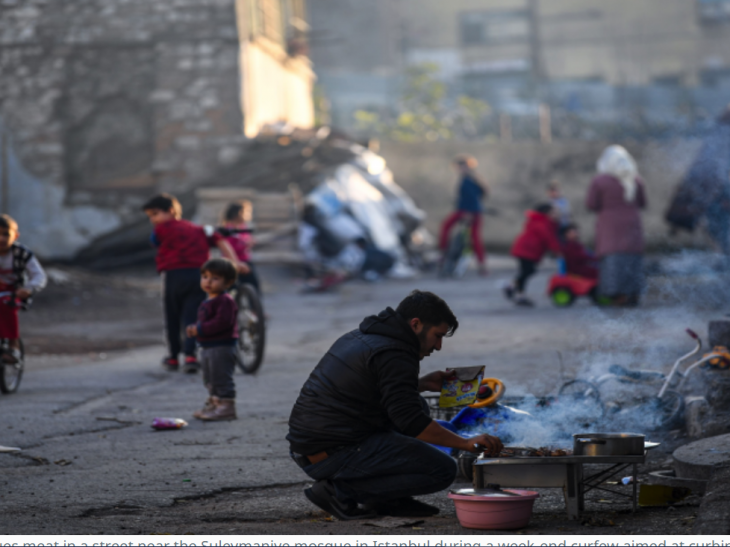
Turkey’s Minimum Wage Countdown: Early 2026 Scenarios
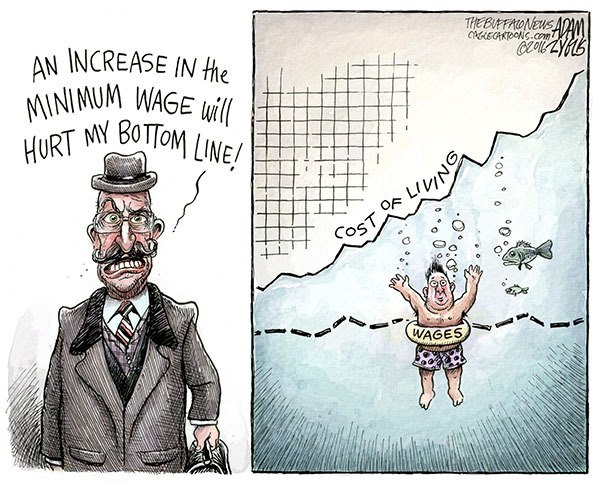 minimum-wage-increase
As December approaches, millions of employees across Turkey are shifting their focus to one of the year’s most critical economic decisions: the new minimum wage. The Minimum Wage Determination Commission is preparing to hold its first meeting at the beginning of December, kicking off the official negotiation period for the salary that will shape the financial outlook of more than half the country’s workforce.
For 2025, the net minimum wage stands at 22,104 TL, and the upcoming adjustments for 2026 are expected to reflect a combination of inflation targets, economic forecasts, and potential welfare-based increases. With cost pressures still weighing heavily on households, the final decision will play a decisive role in purchasing power throughout the new year.
Multiple Wage Scenarios on the Table
According to Sabah’s reporting, several early projections have emerged based on inflation forecasts and internal assessments shared within government circles. The Central Bank’s 16% inflation target for next year is one of the baseline scenarios, implying a minimum net wage of approximately 25,640 TL.
At the same time, broader expectations for year-end inflation range from 31% to 33%, a significantly wider band than the target. Based on these estimates, the calculated net minimum wage ranges from 28,956 TL to 29,398 TL, representing a substantial uplift from the current rate.
These forecasts outline the possible framework within which the commission will operate. While official wage decisions ultimately involve political, economic, and social considerations, the inflation band provides the technical foundation for negotiations.
Welfare Share Could Push Wage Higher
One of the widely discussed proposals in policy circles involves applying additional welfare improvements beyond inflation adjustments. This approach was used in previous years to soften the impact of high living costs and support lower-income households.
Based on early speculation, officials may choose to align the core increase with the Central Bank’s target but then add an extra 5–10% welfare share. Under this scenario, the final minimum wage increase would fall in the 20–25% range.
If this structure is adopted, the resulting net wage for 2026 would land between 26,584 TL and 27,630 TL—a midpoint between the more conservative target-based calculation and the higher inflation-band projections.
Inflation Expectations Shape the Negotiation Climate
The direction of negotiations will depend heavily on inflation forecasts, which remain one of the most sensitive economic indicators in Turkey. While the Central Bank maintains its disinflation strategy, consumer prices have placed significant pressure on household budgets throughout the year, intensifying expectations for a robust wage adjustment.
The commission’s final decision is expected to weigh:
-
Monthly and annual inflation performance
-
Inflation expectations for 2026
-
Macroeconomic indicators, including growth and employment
-
Household cost-of-living realities
-
Employer capacity and productivity trends
Balancing these variables is at the core of the commission’s mandate, and negotiations have historically involved intense debate among government representatives, employer organizations, and labor unions.
Minimum Wage as a Broader Economic Signal
The minimum wage in Turkey carries broader macroeconomic implications. Beyond directly affecting millions of workers, it serves as a benchmark for:
-
Private-sector wage structures
-
Social benefits and allowances
-
SGK premiums
-
Public-sector policy adjustments
-
Consumer demand and overall economic activity
Because of this, expectations surrounding the 2026 adjustment extend far beyond minimum wage earners. Employers are closely monitoring potential cost impacts, while households reliant on fixed incomes are watching the process as an indicator of the country’s economic trajectory.
Related articles

Alarming Data Reveals Istanbul Households Struggling to Survive
HSBC Predicts a Shock Jump in Turkey’s 2026 Minimum Wage
Burger Prices Skyrocket in Türkiye: Fast Food Now a Luxury