Turkey’s Kurdish Gamble: A “Peace Process” in Name Only
 kurds
kurds
By Cengiz Aktar | November 12, 2025
Summary: Ankara’s newly relaunched peace process with the Kurdistan Workers’ Party (PKK) is being heralded as historic, but analysts see little beyond symbolism. With PKK leader Abdullah Öcalan endorsing disarmament from his prison cell and no structural reforms on the table, Turkey’s “terror-free” rhetoric risks alienating Kurds and destabilizing the region.
A “Peace Process” Without Partners
Turkey’s long, turbulent history with its Kurdish population is once again in the spotlight — though this time, the global media barely noticed. The world’s attention is focused on Gaza, Ukraine, and Sudan, leaving Ankara’s “Kurdish peace” initiative largely under the radar.
Yet what Turkey presents as a reconciliation process amounts to little more than managed choreography, rather than genuine peacemaking. Real peace demands equal, free partners — and Kurdish leader Abdullah Öcalan, imprisoned for 25 years, remains anything but free.
Bahçeli’s Handshake and a Scripted Concession
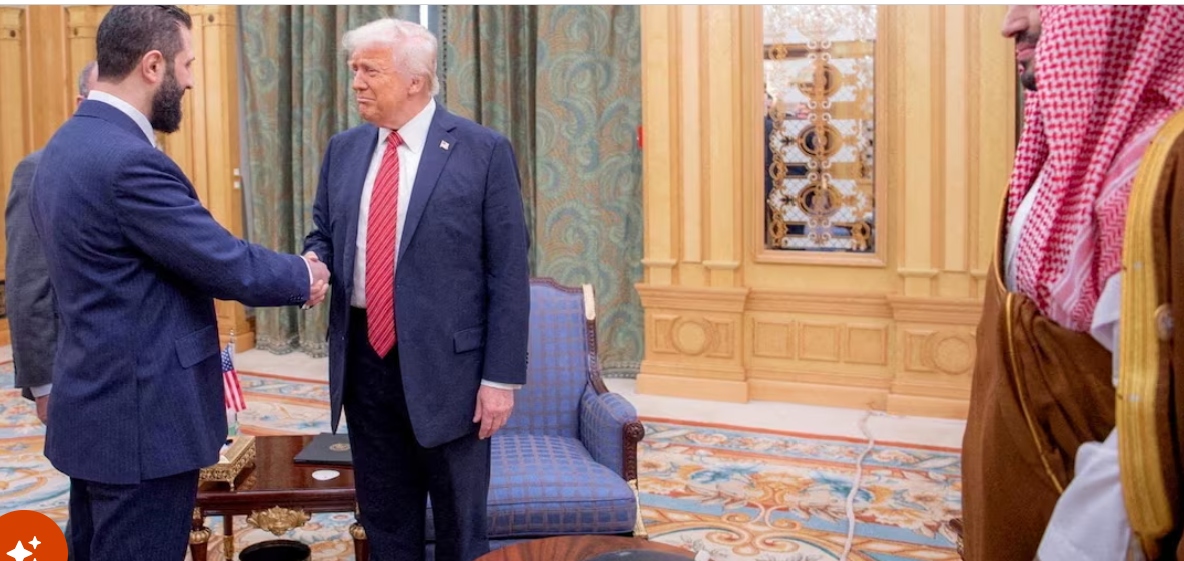
The current initiative traces back to October 2024, when Devlet Bahçeli, leader of the ultra-nationalist MHP and long-time opponent of Kurdish autonomy, shook hands with the co-chairs of the pro-Kurdish DEM Party in parliament.
While the gesture shocked many, it was almost certainly sanctioned by the state. A few months later, Öcalan announced that the PKK had “completed its lifecycle” and called for its dissolution and disarmament — effectively fulfilling Ankara’s demands.
The announcement, delivered through intermediaries in Istanbul, was billed as a breakthrough. But observers note that the statement bore the fingerprints of Turkey’s security establishment. “The scenario is clearly scripted,” says Aktar. “Bahçeli plays the public role, but the play is directed elsewhere.”
No Structural Reform, No Real Change
Unlike the 2013 peace talks, which linked PKK demobilization to broader political reform, the new process omits any pathway to equal citizenship, language rights, or constitutional change.
The government now packages the initiative under the slogan “terror-free Turkey.”
In practice, that means Kurdish identity and language remain politically marginalized, and Kurdish citizens are expected to assimilate into a dominant Turkish identity.
Ankara has set up a closed-door parliamentary advisory commission dominated by ruling-party deputies. Its agenda excludes Kurdish cultural or linguistic recognition. The CHP opposition, meanwhile, remains passive — clinging to the hope that “normalization” might somehow lead to democratization.
Kurdish Disillusionment and Rising Risks
While many Kurds cautiously welcome an end to the decades-long armed conflict — which has killed roughly 50,000 people, including 40,000 Kurds — few see any genuine hope for equality or justice.
Public opinion in the southeast remains sceptical. “They call it peace,” says a Kurdish civil activist from Diyarbakır, “but peace without rights is surrender.”
Analysts warn that the regime’s one-sided process may deepen fractures within Kurdish society, fueling resentment among younger and radicalized groups who reject Öcalan’s directive.
Ultimately, the process consolidates Erdoğan’s ruling bloc, boosting its nationalist credentials ahead of elections while sidelining the Kurdish political movement.
Rojava: The Real Target
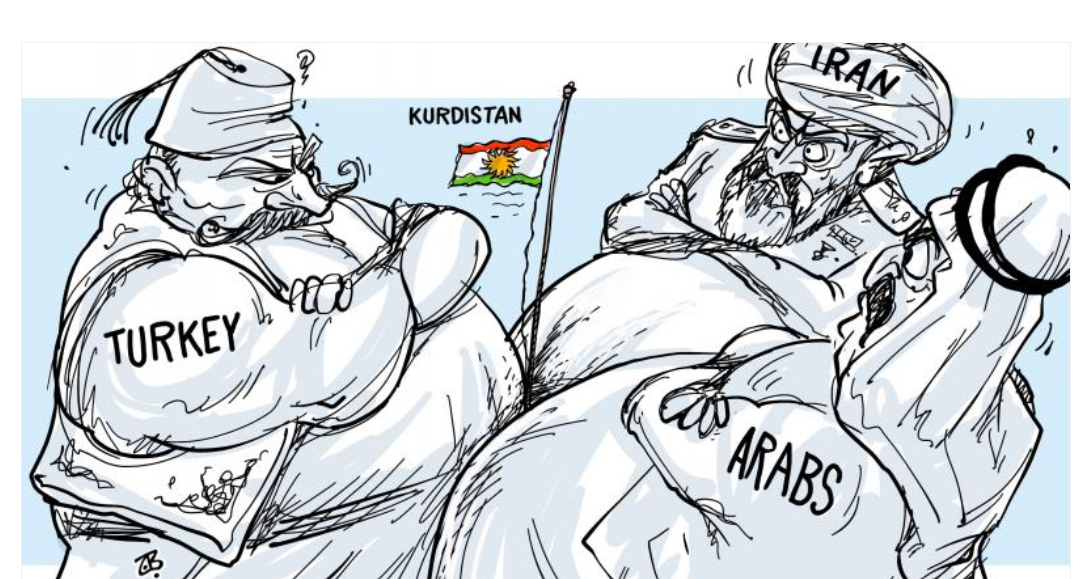
Beyond Turkey’s borders, Ankara’s ambitions are clearer. The true strategic goal, Aktar argues, is to dismantle the Kurdish-led Autonomous Administration of North and East Syria (AANES), known as Rojava.
Rojava’s 100,000-strong security forces — trained and equipped by NATO members including the U.S., U.K., and France — remain a central obstacle to Turkish plans.
Despite Turkey’s opposition, talks continue between Damascus, the AANES, and Western backers to integrate this force into the Syrian army — a step that could cement Kurdish legitimacy on Turkey’s southern frontier.
If realized, such an outcome would force Ankara to confront an enduring geopolitical reality: a Kurdish polity legitimized by international partners.
Ankara’s Security Lens Still Dominates
For decades, the Turkish state has viewed the Kurdish issue solely through a security prism — domestically, in Iraq, and in Syria.
That reflex remains intact. Even the latest “peace initiative” appears designed not to empower Kurds, but to neutralize them as a political force both inside and outside Turkey.
Until Ankara accepts the permanence and legitimacy of Kurdish self-administration in its neighborhood, a true peace will remain elusive.
As Aktar concludes:
“This is not a peace process. It’s an attempt to choreograph surrender — while calling it reconciliation.”
PA Turkey intends to inform Turkey watchers with diverse views and opinions. Articles in our website may not necessarily represent the view of our editorial board or count as endorsement.
Follow our English language YouTube videos @ REAL TURKEY: https://www.youtube.com/channel/UCKpFJB4GFiNkhmpVZQ_d9Rg
And content at Twitter: @AtillaEng
Facebook: Real Turkey Channel: https://www.facebook.com/realturkeychannel/***