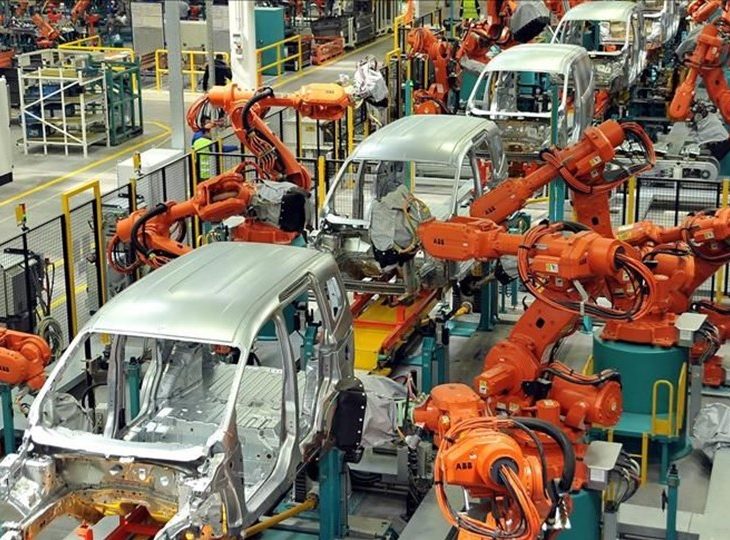
Turkey’s Industrial Production Rises 5% Annually
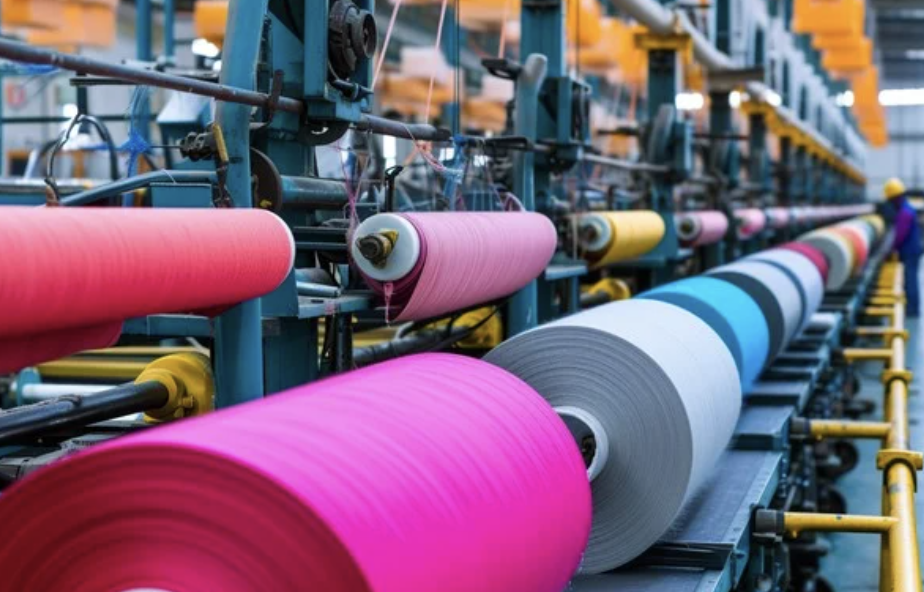 Textile Industry in Turkey
Turkey’s industrial production expanded by 5.0% year-on-year in July 2025, according to data released by the Turkish Statistical Institute (TÜİK).
Breaking down the sectors:
-
Mining and quarrying output fell 0.5% compared to July 2024.
-
Manufacturing output grew strongly, up 5.5% year-on-year.
-
Electricity, gas, steam, and air conditioning supply increased by 5.8%.
The figures confirm that the manufacturing sector and energy production continue to play a key role in driving Turkey’s industrial economy, offsetting weakness in mining.
Monthly Contraction Shows Fragile Momentum
While annual growth remained positive, industrial production contracted by 1.8% month-on-month compared to June 2025.
Sectoral details show a mixed picture:
-
Mining and quarrying declined 1.5% from the previous month.
-
Manufacturing fell 2.3%, reflecting softer demand conditions.
-
Electricity, gas, steam, and air conditioning supply bucked the trend, rising 4.5% month-on-month.
The data underscores a fragile short-term outlook, where energy demand supported output but manufacturing and mining showed signs of slowdown.
Broader Economic Context
Turkey’s industrial sector has faced fluctuations in global demand, inflationary pressures, and high borrowing costs throughout 2025. The year-on-year improvement highlights resilience in exports and domestic production, but the monthly decline suggests that momentum could be weakening.
Analysts note that while government policies and Central Bank measures have supported disinflation and stabilized markets, tight credit conditions and external uncertainties continue to weigh on manufacturers.
Manufacturing as Growth Engine
The manufacturing sector, which makes up the largest share of industrial production, continues to be the primary driver of Turkey’s growth. Sectors such as automotive, textiles, machinery, and chemicals have recorded strong export performance, helping the economy withstand domestic challenges.
Energy production also played a significant role, with rising electricity and gas output reflecting both seasonal demand and infrastructure investments.
Opportunities and Risks
Looking ahead, economists suggest that Turkey’s industrial output may continue to benefit from:
-
Export demand from Europe and Asia.
-
Investment in renewable energy and infrastructure.
-
Government incentives for high-value manufacturing.
However, risks remain:
-
High financing costs could limit industrial expansion.
-
Global demand fluctuations may impact exports.
-
Structural challenges in mining and resource extraction continue to weigh on performance.
Conclusion: Growth Holds, but Monthly Weakness Raises Questions
Turkey’s 5% annual growth in industrial production highlights resilience in the face of global and domestic challenges. Yet the 1.8% monthly contraction serves as a reminder that momentum is uneven and heavily dependent on external demand and energy trends.
The balance between long-term growth drivers and short-term risks will shape the industrial sector’s performance heading into the second half of 2025.