Turkey’s Industrial Output Rises 2.9% Annually
 Turkish-industry
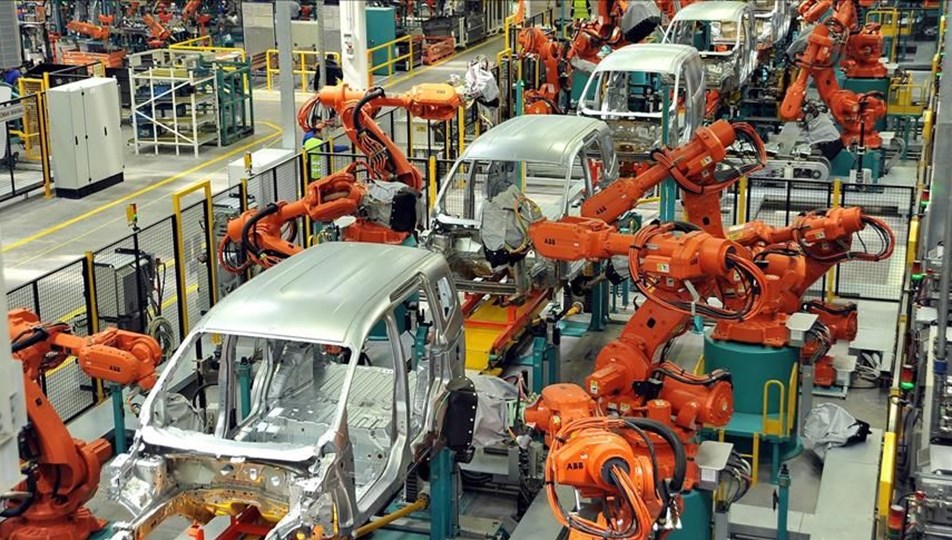
Turkey’s industrial sector posted mixed results in September 2025, according to new data from the Turkish Statistical Institute (TÜİK). The report showed that total industrial production increased 2.9% year-over-year, marking continued expansion, but declined 2.2% month-over-month, signaling a slowdown in momentum as the year entered its final quarter.
Annual Growth Led by Energy and Mining
Based on the 2021=100 reference index, the most substantial annual growth was seen in electricity, gas, steam, and air conditioning production and distribution, which surged 5.3% compared to September 2024. This was followed by the mining and quarrying sector, which increased by 3.1%, while manufacturing output rose by 2.7%.
The figures highlight the resilience of Turkey’s energy and resource sectors, both benefiting from higher domestic demand and investment. Analysts note that the steady performance of mining and energy may help balance manufacturing’s cyclical volatility, which remains sensitive to global supply conditions and domestic consumption.
Monthly Decline Reflects Manufacturing Weakness
Compared to August 2025, industrial output contracted by 2.2%, led by a 2.3% decline in manufacturing and a 2.4% drop in energy-related production. In contrast, mining and quarrying increased slightly by 1.2%, offering limited support to overall output.
The monthly decline reflects seasonal adjustments and global headwinds. Industry observers cite weaker export orders and softening consumer demand, along with elevated borrowing costs, as key factors behind the contraction. “The manufacturing sector is feeling the pressure of high input costs and lower external demand,” said an economist familiar with the data.
Broader Economic Implications
The September results suggest that Turkey’s industrial recovery remains gradual but uneven, balancing long-term growth trends against short-term volatility. The year-on-year rise of 2.9% indicates ongoing resilience, but the sharp monthly dip may signal caution for the fourth quarter.
Economists emphasize that industrial production remains a critical indicator for GDP performance. A sustained slowdown could weigh on growth forecasts for late 2025, especially if manufacturing fails to rebound. However, continued expansion in energy output suggests that infrastructure and service-related industries may maintain upward momentum.
Outlook for 2025 and Beyond
Looking ahead, market analysts expect a moderate recovery as inflationary pressures ease and external demand improves. Government initiatives supporting industrial modernization and the expansion of renewable energy are also expected to support production.
However, the short-term outlook remains clouded by potential fluctuations in commodity prices and uncertainties in the global supply chain. Turkey’s industrial base, which is heavily reliant on imported intermediate goods, remains vulnerable to exchange rate fluctuations.
If the government’s policy mix of fiscal discipline and targeted incentives continues, industrial activity could stabilize in early 2026. Economists suggest that a rebound in manufacturing will be crucial to sustain overall output growth.
Summary
TÜİK’s latest report presents a picture of steady long-term growth, albeit with short-term headwinds. While the annual increase of 2.9% underscores economic resilience, the monthly drop of 2.2% highlights the need for stronger domestic and export-driven momentum. As Turkey navigates shifting global trade patterns and domestic economic adjustments, industrial production will remain a key barometer of its economic trajectory heading into 2026.