



Turkey’s Household Debt Surges Past 5 Trillion TL as Credit Card Defaults Spike
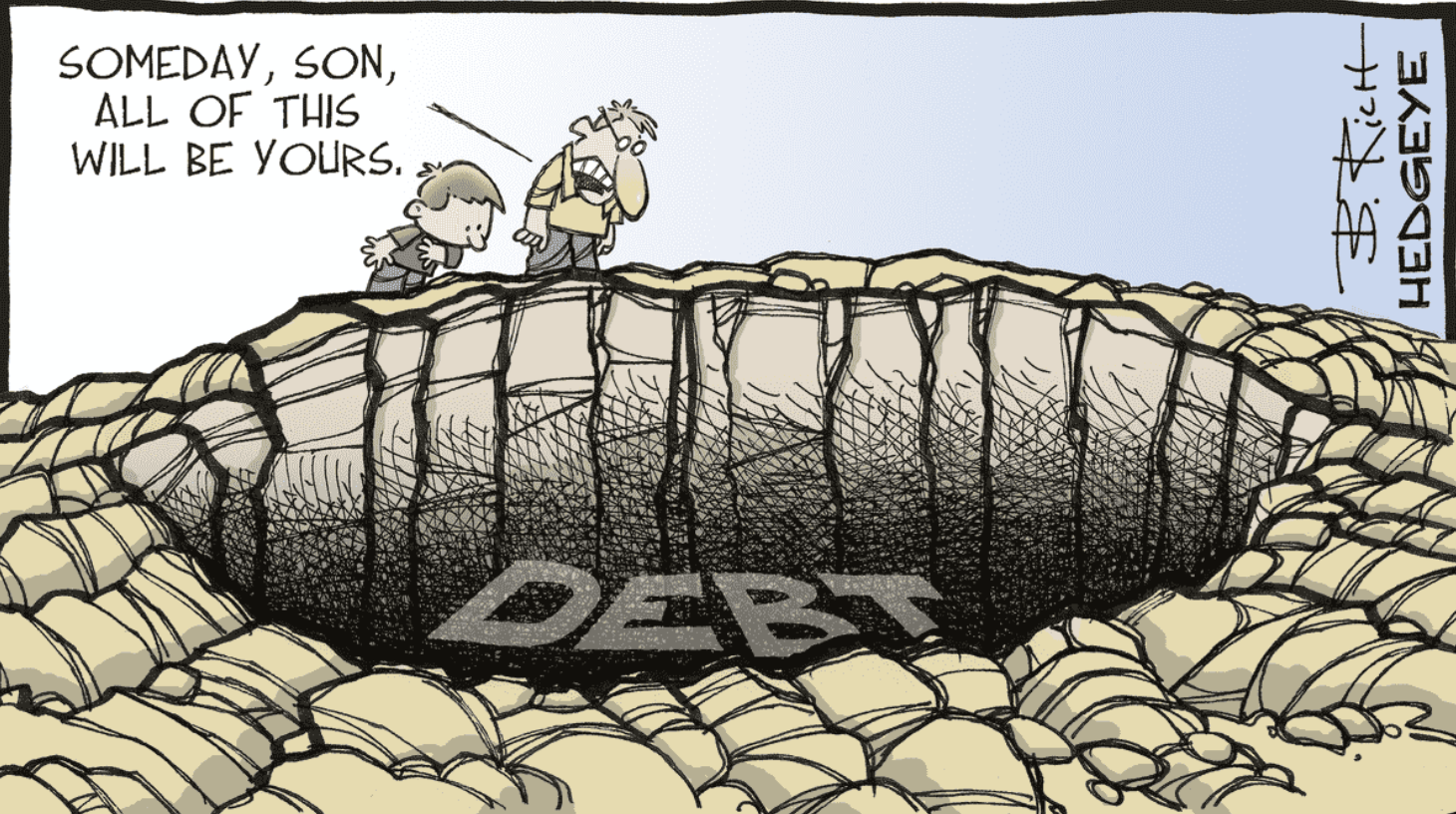 Household Debt
Turkey’s deepening inflation crisis and the erosion of purchasing power are leaving citizens with few options but to borrow more heavily. By the end of the first eight months of 2025, household debt had surged by over 1 trillion TL, climbing from 3.97 trillion TL in January to an unprecedented 5 trillion TL. This represents a 26% increase in less than a year, underscoring how families are increasingly reliant on loans and credit cards just to meet basic needs.
A Trillion Lira Added in Eight Months
According to reporting by Nefes, the sheer pace of debt accumulation highlights the growing fragility of household finances. In only eight months, consumer liabilities rose by 1.035 trillion TL, painting a stark picture of financial distress. Instead of a tool for investment or major purchases, debt has become a lifeline for day-to-day survival.
Credit Cards Ring the Alarm
The steepest rise was recorded in credit card debt, which ballooned by 30%, reaching 2.49 trillion TL. Of this, non-installment credit card debt—often tied to higher interest rates—stood out, climbing to 1.63 trillion TL. This suggests that millions of citizens are leaning on short-term, costly borrowing to finance essential expenses, from groceries to utility bills.
Such reliance on high-interest debt is unsustainable and signals the depth of the crisis. When non-installment credit card balances rise at this pace, it reflects not luxury spending but forced borrowing for survival.
Non-Performing Loans Skyrocket
Perhaps the most alarming indicator of financial strain lies in the explosion of non-performing loans. In just eight months, unpaid and overdue loans jumped 54%, reaching 199.5 billion TL. Within this category, credit card defaults grew by nearly 60%, confirming that households are increasingly unable to keep up with minimum payments.
This trend is not merely statistical—it is a measure of economic stress pushing households to the brink. For many families, the difference between solvency and default now rests on whether they can pay their card statements each month.
Consumer Loans Also Rising
Beyond credit cards, consumer loans climbed by 22% in the same period, totaling 2.5 trillion TL. While personal loans are often associated with major purchases, the sharp increase indicates they are now being used to patch holes in daily budgets. Together with soaring card balances, the trend reveals a vicious cycle of borrowing, repayment struggles, and further borrowing.
Banks Report Record Profits
In a striking contrast, the banking sector is thriving amid household hardship. According to Banking Regulation and Supervision Agency (BDDK) data, banks posted a record net profit of 563.4 billion TL in the first eight months of 2025. This divergence between consumer financial pain and institutional profitability highlights the asymmetry of the crisis. While households buckle under the weight of inflation-driven debt, banks are capitalizing on high interest rates and rising borrowing volumes.
A Structural Warning for the Economy
The rapid escalation of consumer debt and defaults reflects more than short-term economic turbulence—it suggests a structural imbalance in Turkey’s financial system. As inflation continues to erode real incomes, households are forced deeper into debt. Yet, instead of easing the burden, this reliance on expensive borrowing only magnifies future risks.
Unless income levels catch up with rising costs, Turkey may face a prolonged cycle of household indebtedness, widespread defaults, and social instability. The debt surge is not just a balance sheet issue; it is a signal that millions are financing their daily lives on borrowed time.