Turkey’s Economic Roadmap: Yılmaz Confirms Single-Digit Inflation and High-Income Status by 2025
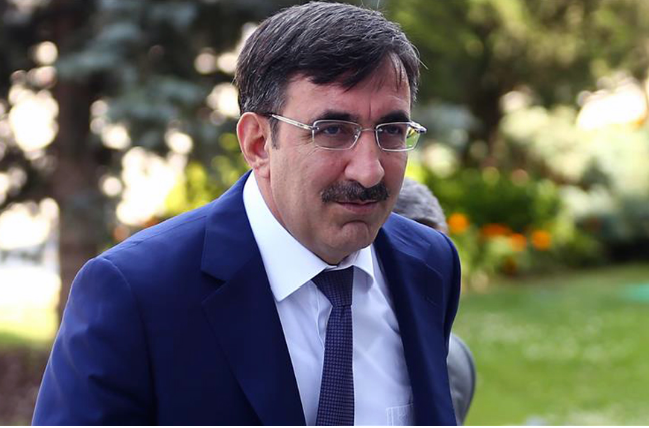 cevdet yilmaz
Turkey’s Vice President Cevdet Yılmaz outlined the nation’s economic trajectory, emphasizing that curbing inflation remains the top national priority. Speaking on a televised program, Yılmaz detailed how the government’s disciplined and consistent approach is gradually easing inflationary pressures, restoring stability, and building public confidence in Turkey’s long-term economic resilience.
According to Yılmaz, all fiscal and monetary policies are aligned toward one objective — reducing inflation sustainably without compromising growth. “Inflation remains the key issue for citizens,” he said, reaffirming that current strategies are already producing tangible results.
Gradual Decline in Inflation: Year-by-Year Targets
Yılmaz explained that the government’s policies have begun to slow inflation across major goods categories, while sectors such as housing and education are expected to follow this trend soon. The roadmap for inflation reduction is clear:
-
End of 2024: Inflation expected to drop from 44% to around 30%.
-
2026 Target: Inflation projected to fall below 20%.
-
2027 Goal: Achieving single-digit inflation, marking a significant milestone in Turkey’s economic transformation.
This measured approach, Yılmaz said, ensures that progress is sustainable rather than temporary. “The pace may differ across sectors, but the downward trend is consistent,” he emphasized, adding that structural measures and price stability are central to long-term prosperity.
Fiscal Discipline Maintained Amid Challenges
Despite the financial strain caused by earthquake-related expenditures, Yılmaz underscored that Turkey has not compromised on fiscal discipline. He highlighted that, excluding extraordinary spending, the budget deficit will remain below 3% of GDP — a strong indicator of the government’s fiscal prudence.
“The country continues to grow robustly despite global headwinds,” he noted, citing resilient domestic demand, strategic exports, and continued investment inflows as key drivers of Turkey’s performance.
Turkey’s Transition to a High-Income Economy
In one of the most notable announcements of the interview, Yılmaz confirmed that Turkey is set to enter the high-income countries league in 2025 for the first time. This projection reflects the country’s steady GDP growth, improved productivity, and ongoing structural reforms aimed at diversifying the economy.
“Despite global uncertainty, Turkey will achieve a historic milestone,” Yılmaz said confidently. He attributed this transition to the government’s strategic mix of industrial, digital, and green transformation policies that are positioning the country competitively on the world stage.
Rising Labor Share and Social Balance
Yılmaz also addressed income distribution and social welfare, noting that the share of labor in national income has reached historic highs. “In the first half of 2025, labor’s share in GDP rose to 35.9%, the highest in our history,” he stated, describing this as a reflection of fairer income policies and a healthier economic balance.
This improvement, he argued, shows that workers are benefitting directly from economic growth, even amid an inflationary environment. Once inflation is fully contained, wage increases will translate into lasting gains in purchasing power and living standards, he added.
Empowering Women and Youth in the Workforce
Yılmaz further revealed that the government is developing flexible employment models to boost participation among women and young workers. These reforms are designed to foster inclusivity and align with evolving labor market trends, ensuring that the country’s economic progress translates into broader social advancement.
“Empowering young people and women in the workforce is not only a matter of fairness but also a driver of national competitiveness,” Yılmaz noted.
A Roadmap of Stability and Growth
Summarizing his outlook, Yılmaz reaffirmed that Turkey’s economic strategy is built on three pillars: disinflation, fiscal discipline, and inclusive growth. By maintaining this balance, the administration aims to anchor expectations, attract investment, and ensure that prosperity reaches all segments of society.
He concluded with optimism: “Our path is clear. Through determination and sound policy, we are bringing inflation down, securing growth, and preparing Turkey for its rightful place among high-income nations.”