Turkey’s defense boom: KAAN fighter and Baykar UAVs push Ankara toward top-10 arms exporters
 savunma sanayi
Turkey’s homegrown fifth-generation fighter project KAAN and Baykar’s export-hit drones have accelerated the country’s rise in the global defense market, prompting analysts and international outlets to say Ankara could soon leapfrog peers such as South Korea to join the world’s top 10 arms exporters.
Officials and industry analysts point to rising global defense budgets, a deepening local supplier base and recent export deals as the main drivers behind Turkey’s push up the rankings.
Homegrown projects fuel export push: KAAN and Baykar in the spotlight
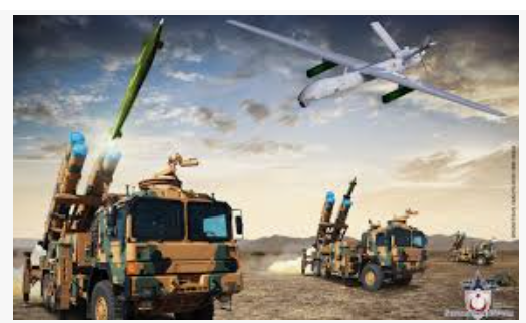
Turkey’s defense sector has recorded robust growth in recent years thanks to domestic flagship programs. The KAAN fifth-generation fighter — described by some international outlets as “Turkey’s rising star” — and Baykar’s remotely piloted systems such as the TB2 and Akıncı have become the most visible symbols of that shift.
An analysis published by Eurasian Times highlights KAAN and Baykar UAVs as central to Turkey’s ambitions, arguing that the combination of advanced manned and unmanned platforms gives Ankara a competitive edge in the international market. The KAAN program has already drawn export interest: Ankara and Jakarta signed a preliminary agreement reportedly covering 48 KAAN fighters, while Saudi Arabia, the UAE and Pakistan are among states said to be monitoring the project.
Global demand and market outlook: a window of opportunity
Rising geopolitical tensions have pushed global defense spending higher. United Nations figures cited in the analysis show global defense expenditures reached about $2.7 trillion in 2024, while the International Institute for Strategic Studies (IISS) estimates that defense spending equals roughly 1.9% of global GDP on average.
Longer-term industry forecasts referenced in the report predict the global defense market could expand markedly over the next decade — some estimates point to a market size approaching $6.6 trillion and a compound annual growth rate in the high single digits — creating a sizeable demand pool that export-oriented manufacturers can target.
Baykar’s critical role: drones as a growth engine
Eurasian Times underlined the pivotal contribution of Turkish UCAV (Unmanned Combat Aerial Vehicle) makers to export gains. Baykar’s TB2 and Akıncı systems have been exported to more than 34 countries; the company reportedly generated about $1.8 billion in export revenue in 2023, with roughly 90% of its sales coming from overseas that year.
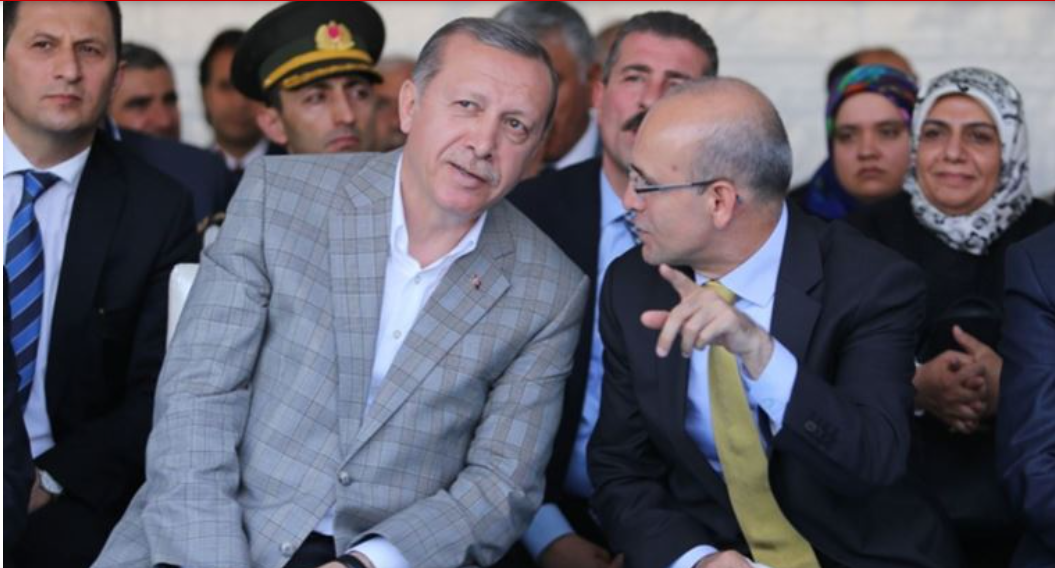
Presidential Defense Industry head Haluk Görgün has said the sector’s advances have delivered technology, diplomatic leverage and prestige for Turkey, while the report notes more than 3,500 firms now operate in the domestic defense ecosystem — a manufacturing base that underpins broader export ambitions.
Current ranking and recent gains (SIPRI data)
Drawing on Stockholm International Peace Research Institute (SIPRI) statistics, the Eurasian Times analysis places Turkey as the 11th largest arms exporter in the 2020–2024 period, with a 1.7% share of global arms exports. That marks a jump from 14th to 11th over five years and a reported 103% increase in export share during that span.
South Korea rivalry and the competitive landscape
Eurasian Times identifies South Korea as one of Turkey’s principal competitors. Seoul currently holds roughly 2.2% of global defense exports, anchored by successful platforms such as the K9 Thunder howitzer (exported to 11 nations with more than $7 billion in cumulative revenue) and the KF-21 Boramae fighter program. South Korea’s diversified customer base across Europe and the Asia-Pacific is another competitive advantage.
But Turkey’s mix of competitive pricing, indigenous systems and willingness to engage with a broad array of buyers has opened new market opportunities — particularly among countries seeking alternatives to traditional Western suppliers.
Broader industrial players and supply chain depth
Beyond Baykar and the KAAN program, Turkey’s defense industrial base includes major firms such as Aselsan, Roketsan, STM and Sarsılmaz. The analysis notes Aselsan has climbed international supplier rankings (reported at around 42nd globally in some lists), underlining the depth of the local electronics and systems capability feeding exportable platforms.
Outlook: from opportunity to execution
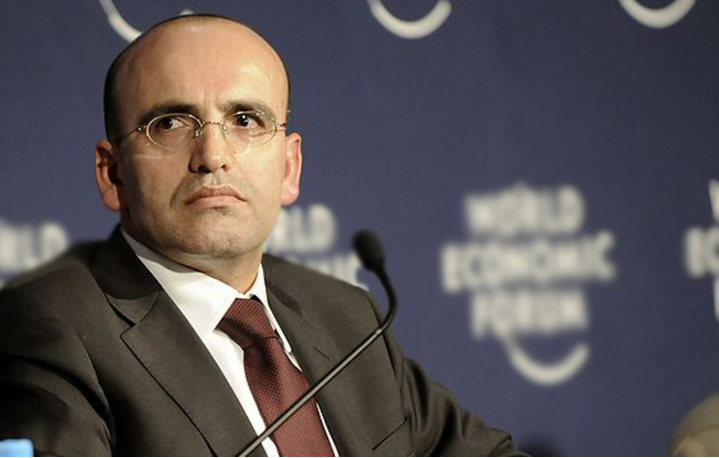
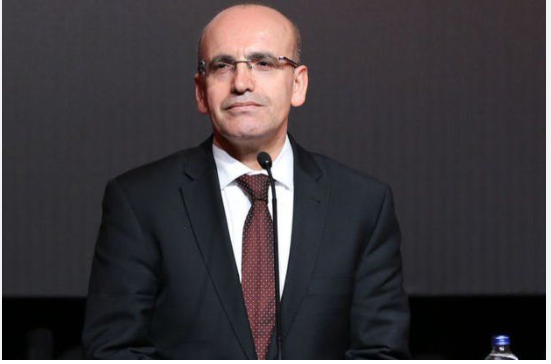
Analysts quoted in the report argue that Turkey has a clear path to break into the top-10 global exporters if it converts its pipeline of projects (KAAN, UAV families, artillery and electronic-warfare systems) into signed export contracts and sustains production capacity. Finance Minister Mehmet Şimşek is cited as saying the country enjoys “a significant advantage” in defense export potential, pointing to a portfolio of projects reportedly valued at over $100 billion across some 1,400 programs.
Challenges remain — certification, sustainment and financing for buyers, geopolitical sensitivity among certain customers, and competition from established suppliers such as South Korea and Western exporters — but the industry’s momentum, supported by a broad supplier base and high-visibility platforms, has placed Turkey squarely on the shortlist of rising defense exporters.