



Turkey’s 2025 Climate Alarm: Record Heat, Severe Rainfall Deficit, and Growing Drought Risk
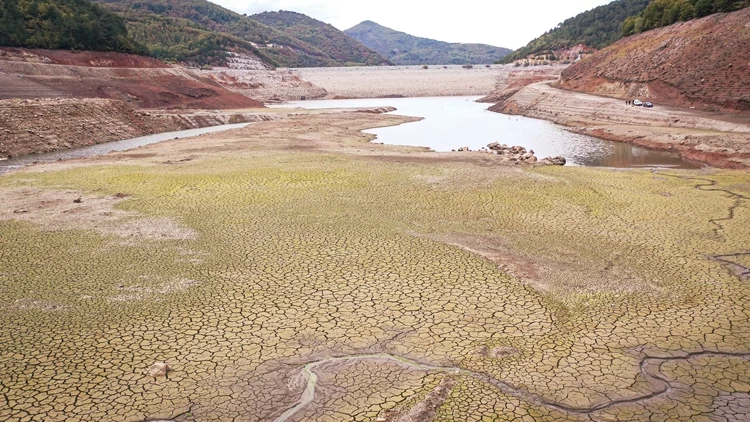 Drought
Turkey’s climate outlook for 2025 has emerged as a clear warning signal, marked by above-average temperatures and significantly below-normal rainfall across much of the country. Compiled nationwide data show that the year stood out as both hotter and drier than historical norms, reinforcing concerns over water security, agriculture, and long-term climate resilience.
According to aggregated figures, Turkey’s national annual average temperature in 2025 reached approximately 14.9–15.0°C, exceeding the 1991–2020 long-term average of 13.9°C by about 1.1°C. This places 2025 firmly among the warmer years on record, with sustained positive temperature anomalies throughout most months.
Extreme Temperatures Highlight Climate Volatility
The year also produced notable temperature extremes. The highest temperature of 2025 was recorded in Cizre in July at 49.4°C, underscoring the intensifying summer heat in southeastern regions. At the opposite end of the spectrum, Ardahan experienced the lowest temperature in January at –28.5°C, reflecting continued winter severity in eastern Anatolia despite the overall warming trend.
These extremes illustrate not only rising averages but also increasing climate volatility, a pattern consistent with broader regional climate change projections.
Annual Temperature Profile: Average Near 15°C
Monthly data show that 2025 remained above seasonal norms for most of the year, with only a limited number of months showing negative deviations. The general pattern points to persistent warmth rather than short-lived heat episodes.
Month-by-month temperature deviations were as follows:
-
January: 5.5°C (normal 2.9°C) → +2.6°C
-
February: 2.4°C (normal 4.1°C) → –1.7°C
-
March: 10.7°C (normal 7.7°C) → +3.0°C
-
April: 12.1°C (normal 12.3°C) → –0.2°C
-
May: 18.0°C (normal 17.1°C) → +0.9°C
-
June: 23.0°C (normal 21.8°C) → +1.2°C
-
July: 26.9°C (normal 25.0°C) → +1.9°C
-
August: 26.5°C (normal 25.1°C) → +1.4°C
-
September: 21.7°C (long-term ~20.9°C) → +0.8°C
-
October: 15.7°C (normal 15.6°C) → +0.1°C
-
November: 12.2°C (normal 9.3°C) → +2.9°C
Apart from February and April, nearly all months recorded positive temperature anomalies, confirming that warmth was persistent rather than episodic.
Rainfall Collapse in the 2025 Water Year
While temperatures climbed, rainfall told a more alarming story. During the 2025 water year (1 October 2024 – 30 September 2025), Turkey’s nationwide total precipitation amounted to 422.5 mm. This is 26% below the 1991–2020 average of 573.4 mm, representing a substantial and widespread deficit.
Such a shortfall has serious implications for reservoir levels, groundwater recharge, agriculture, and hydropower production, especially as water demand continues to rise.
Stark Regional Differences in Annual Rainfall
Provincial data reveal sharp contrasts in rainfall distribution:
-
Highest annual rainfall: Rize, with 1,812.1 mm
-
Lowest annual rainfall: Şanlıurfa, with just 182.8 mm
These figures highlight the growing east–west and coastal–inland imbalance in Turkey’s precipitation patterns, a challenge that complicates nationwide water management strategies.
Monthly Rainfall: Weak Winter and Summer Performance
Rainfall in 2025 showed a highly uneven monthly distribution. Winter and summer months were particularly weak, with precipitation frequently falling well below long-term averages. Although April and October saw localized increases in some regions, these gains were insufficient to offset the cumulative annual deficit.
November 2025 Stands Out as a Critical Month
November 2025 emerged as one of the most striking months of the year in both temperature and rainfall terms. According to Ahmet Uçar, former Director General of Meteorological Forecasting, the month ranked among the most extreme in decades.
He stated:
“The 1991–2020 average temperature for November is 9.3°C, while November 2025 recorded 12.2°C, which is 2.9°C above normal. November 2025 became the third warmest November in the last 55 years.”
Rainfall figures were equally concerning. Turkey recorded an average of 33.4 mm of precipitation in November, compared with a long-term average of 58.3 mm. This means rainfall was 43% below normal and 39% lower than November of the previous year.
Provincial Rainfall Anomalies in November
Only a handful of provinces recorded above-normal rainfall in November:
-
Balıkesir
-
Çanakkale
-
Hakkâri
-
Sivas
Elsewhere, rainfall remained well below seasonal expectations. Notable provincial extremes included:
-
Rize: 10.4 mm (normal 178.9 mm)
-
Artvin and Rize: lowest November rainfall in 65 years
-
Sivas: the highest November rainfall in the last 13 years
-
Iğdır: lowest November rainfall nationwide at 1.0 mm
-
Artvin: most significant relative decline, 97% below normal
What the Data Visualizations Reveal
Temperature and rainfall charts for November 2025 reinforce the severity of the situation. They show:
-
Widespread rainfall declines compared with both long-term norms and the previous year
-
A broad geographic area experiencing below-normal precipitation
-
November temperatures ranked near the top of the 1971–2025 historical record
Together, these indicators point to a systemic drying and warming trend rather than isolated anomalies.
December Data Still Pending
This assessment covers data up to November 2025. The Turkish State Meteorological Service has not yet released official December figures. Once available, they will complete the final climate balance sheet for 2025, though current trends already suggest the year will rank among Turkey’s warmest and driest in modern records.