Turkey Warns Black Sea Tensions Could Spill Over as Tanker Strikes Raise Alarm
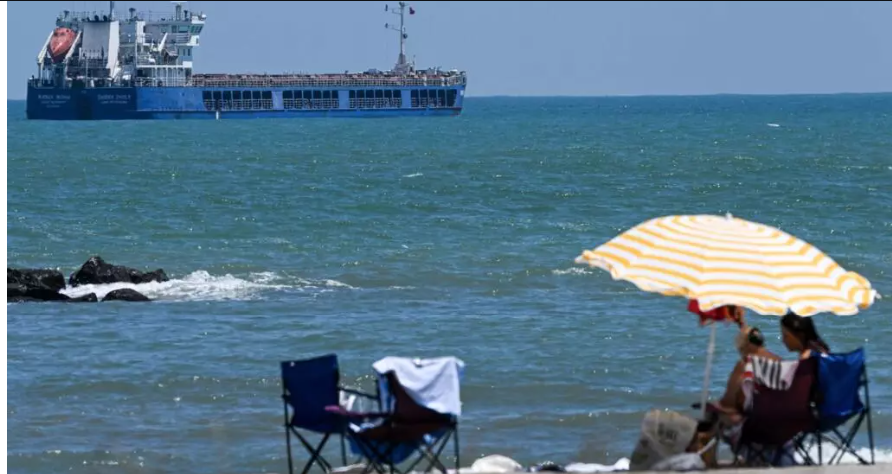 tanker
Ankara has issued urgent warnings to both Moscow and Kyiv amid rising fears that the escalating conflict in the Black Sea could threaten Türkiye’s long coastline, global trade routes, and regional stability.
Turkey summoned the Russian and Ukrainian ambassadors on Thursday, calling for an immediate halt to actions that risk widening the war. President Recep Tayyip Erdoğan condemned last week’s attacks on three Russian tankers as “unjustifiable,” after Kyiv acknowledged two drone strikes while denying involvement in a third incident.
Moscow has responded with threats, hinting that it may target ships belonging to nations supporting Ukraine if such attacks continue.
Experts Warn of Escalation Risk
International relations expert and former presidential advisor Mesut Casin issued a stark warning about the potential repercussions of the tanker strikes.
“This escalation is very dangerous; no one can estimate what will happen,” he cautioned.
“Putin says he will use reciprocity rights. This means some of the [Russian] submarines could attack not only Ukraine but also some of the Western NATO allies’ tanker ships.”
Such a development, he added, could trigger “a very big environmental disaster” in the Black Sea.
Shadow Fleet Raises Environmental Fears
The tankers hit in recent weeks are part of Russia’s so-called shadow fleet, vessels that operate outside standard global regulations to bypass sanctions.
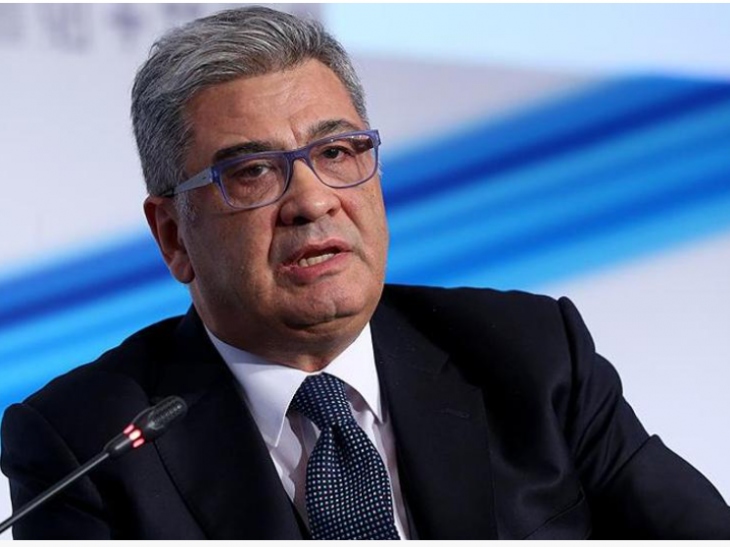
Former diplomat Selim Kuneralp said the condition of these ships heightens the danger.
“These shadow fleet tankers are not modern and are not in good condition,” he noted.
Russia insures them domestically, but “how useful and how valid these insurances will be … remains a question mark.”
With Türkiye’s extensive Black Sea coastline, Ankara is particularly alarmed about the environmental consequences should a compromised tanker be struck while carrying crude oil or chemicals.
Global Trade at Stake
The destruction of a large portion of Russia’s Black Sea fleet has left Moscow with limited capacity to protect its commercial vessels.
Ukraine has so far targeted empty tankers, but analysts warn that risks to global supply chains are growing.
Economist Atilla Yesilada of GlobalSource Partners said the impact could extend well beyond the region:
“Both Ukraine and Russia are leading exporters of basic food and agricultural commodities. … Any impairment of grain export routes is bad for the world at a time when we are not certain of crop yields because of ongoing drought elsewhere.”
Insurance premiums for ships using the Black Sea have already surged, adding to transport costs and raising concerns about food security.
Ankara Walks a Diplomatic Tightrope
Foreign Minister Hakan Fidan raised the issue during meetings with NATO allies this week, discussing efforts to maintain secure navigation through the Black Sea corridor.
Türkiye is already coordinating mine-clearing operations with Romania and Bulgaria. Yet any expanded NATO role would fall primarily on the Turkish navy, given its size relative to those of its Black Sea partners.
Under the Montreux Convention, Türkiye continues to block entry of non-resident warships, including Russian vessels, allowing only ships returning to their home ports.
Former envoy Kuneralp warned that Ankara must tread carefully:
“It would put all the burden on Turkey alone … Would it try to intervene in a dispute between Russia and Ukraine? That’s unlikely … it would be too risky.”
Türkiye Hopes Diplomacy Prevails
With rare channels open to both Kyiv and Moscow, Türkiye remains one of the few actors capable of direct dialogue with both sides. Turkish officials say they are watching closely as Washington intensifies diplomatic efforts to de-escalate the conflict.
For now, Ankara is relying on shuttle diplomacy, urging restraint and hoping that the conflict does not move closer to its shores.
By Dorian Jones
IMPORTANT DISCLOSURE: PA Turkey intends to inform Turkey watchers with diverse views and opinions. Articles in our website may not necessarily represent the view of our editorial board or count as endorsement.
Follow our English language YouTube videos @ REAL TURKEY: https://www.youtube.com/channel/UCKpFJB4GFiNkhmpVZQ_d9Rg
And content at Twitter: @AtillaEng
Facebook: Real Turkey Channel: https://www.facebook.com/realturkeychannel/