Turkey Tops Europe in Food Insecurity as Meat Prices Surge
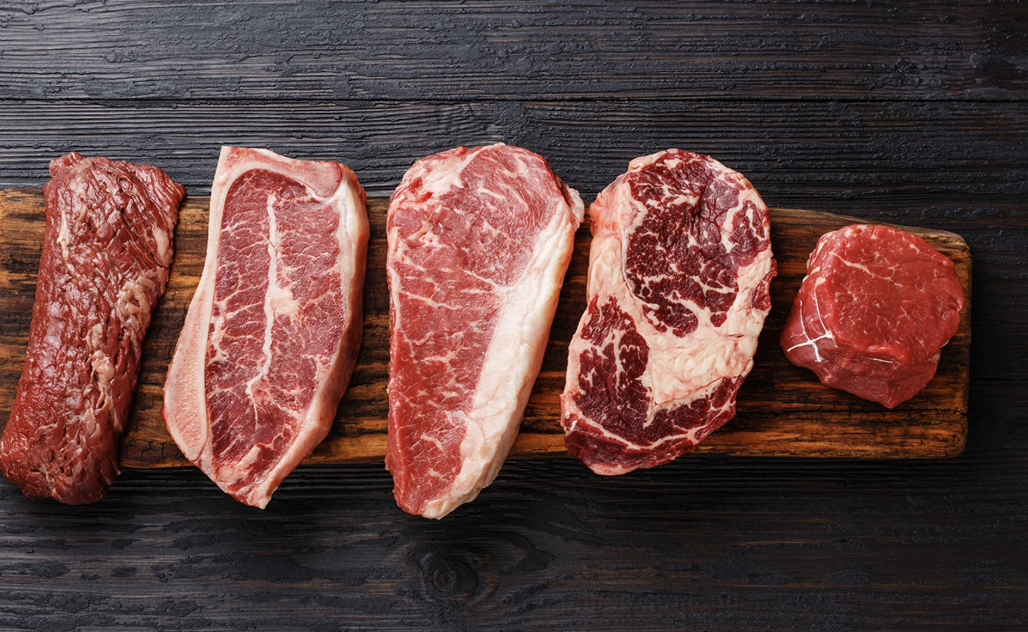 meat prices
According to Eurostat’s latest report, nearly four out of every ten people in Turkey cannot afford to eat a meal with meat, poultry, fish, or a vegetarian equivalent every other day. The 2024 data reveals that 39.3% of the population is unable to access basic protein sources due to financial hardship.
This rate makes Turkey the worst-performing country in Europe in terms of food insecurity. To put this into perspective, the European Union average is only 8.3%, meaning Turkey’s figure is almost five times higher than that of the EU.
In 2023, the share of people unable to afford a protein-based meal stood at 45.8%. While the 6.5-point drop may look like progress, experts stress that it still leaves millions of citizens without access to one of the most basic human needs—nutrition.
The Poor Are Hit the Hardest
The situation worsens significantly among vulnerable groups. For individuals living on less than 60% of the national median income, Eurostat found that 54% could not afford a protein-rich meal every other day in 2024. Although slightly improved from 58.5% in 2023, more than half of Turkey’s poor still face empty plates when it comes to essential nutrition.
Even more alarming are the figures for people in severe material and social deprivation (SMD). Within this group, 57.9% lack the ability to eat meat or an equivalent meal every two days, showing just how widespread the crisis has become.
Turkey Leads Europe in Food Deprivation
Turkey now ranks first in Europe when measuring food insecurity across the general population, not just those below the poverty line.
-
Turkey: 39.3%
-
Romania: ~33%
-
Bulgaria: ~20%
For comparison, the figures are dramatically lower in Western Europe:
-
Germany: 8.2%
-
France: 7.9%
-
EU average: 8.3%
These disparities highlight the widening nutrition gap between Turkey and its European counterparts, underscoring the urgent need for solutions to improve affordability and access to protein-based foods.
Global Meat Prices Amplify the Crisis
The issue is not confined to Turkey. The United Nations Food and Agriculture Organization (FAO) has documented record increases in global meat prices, which in turn have amplified Turkey’s domestic food crisis.
According to the National Red Meat Council’s slaughterhouse data, prices of both beef and lamb in Turkey surged by more than 30% year-on-year.
-
Lean beef (butcher’s cut): 452.57 TL/kg (a 32.7% rise compared to 2023)
-
Highest beef prices: Black Sea region at 463.40 TL/kg
-
Lowest beef prices: Aegean region at 425.50 TL/kg
-
Lamb average: 476.06 TL/kg (26.2% annual increase)
-
Lamb prices exceeding 500 TL/kg: Particularly in Marmara and Aegean regions
Data from the Ankara Commodity Exchange showed similarly high levels:
-
Beef round: 496.9 TL/kg
-
Carcass beef: 460.33 TL/kg
-
Beef shoulder: 416.1 TL/kg
These increases outpace Turkey’s annual consumer inflation, further eroding the purchasing power of low- and middle-income households.
Food Insecurity and Public Health Concerns
Experts warn that sustained protein deprivation can have long-term consequences on public health. Nutritionists emphasize that regular protein intake is critical for children’s growth, cognitive development, and immune function, as well as for maintaining adult health.
Dr. Ayşe Demir, a public health specialist, explained:
“The inability to access adequate protein is not just about hunger. It weakens the immune system, increases vulnerability to disease, and deepens inequalities across generations.”
A Growing Social and Economic Challenge
Turkey’s food insecurity crisis reflects a combination of rising food inflation, stagnant wages, and widening income inequality. For many households, the dream of a balanced diet has become increasingly unattainable.
While the slight decline in Eurostat’s figures from 2023 to 2024 may suggest progress, the structural problems driving food inflation and poverty remain unresolved. Unless measures are taken to stabilize food markets and support vulnerable families, the gap between Turkey and the rest of Europe is likely to grow further.
Conclusion
Turkey’s position at the top of Europe’s food insecurity rankings paints a troubling picture. With 39.3% of its population unable to afford protein-rich meals, and meat prices rising faster than general inflation, the country faces a deepening nutritional and social crisis.
Addressing this issue will require coordinated policies, targeted social support, and structural reforms to ensure that every citizen has access to the most basic human right: food.
Related articles

Turkey’s New Minimum Wage Covers Just 9 Days of Food, BİSAM Report Warns
Turkey’s Poverty Threshold Nears Six Figures
Şimşek Says Disinflation Has Spread Across Economy as 2025 Inflation Falls