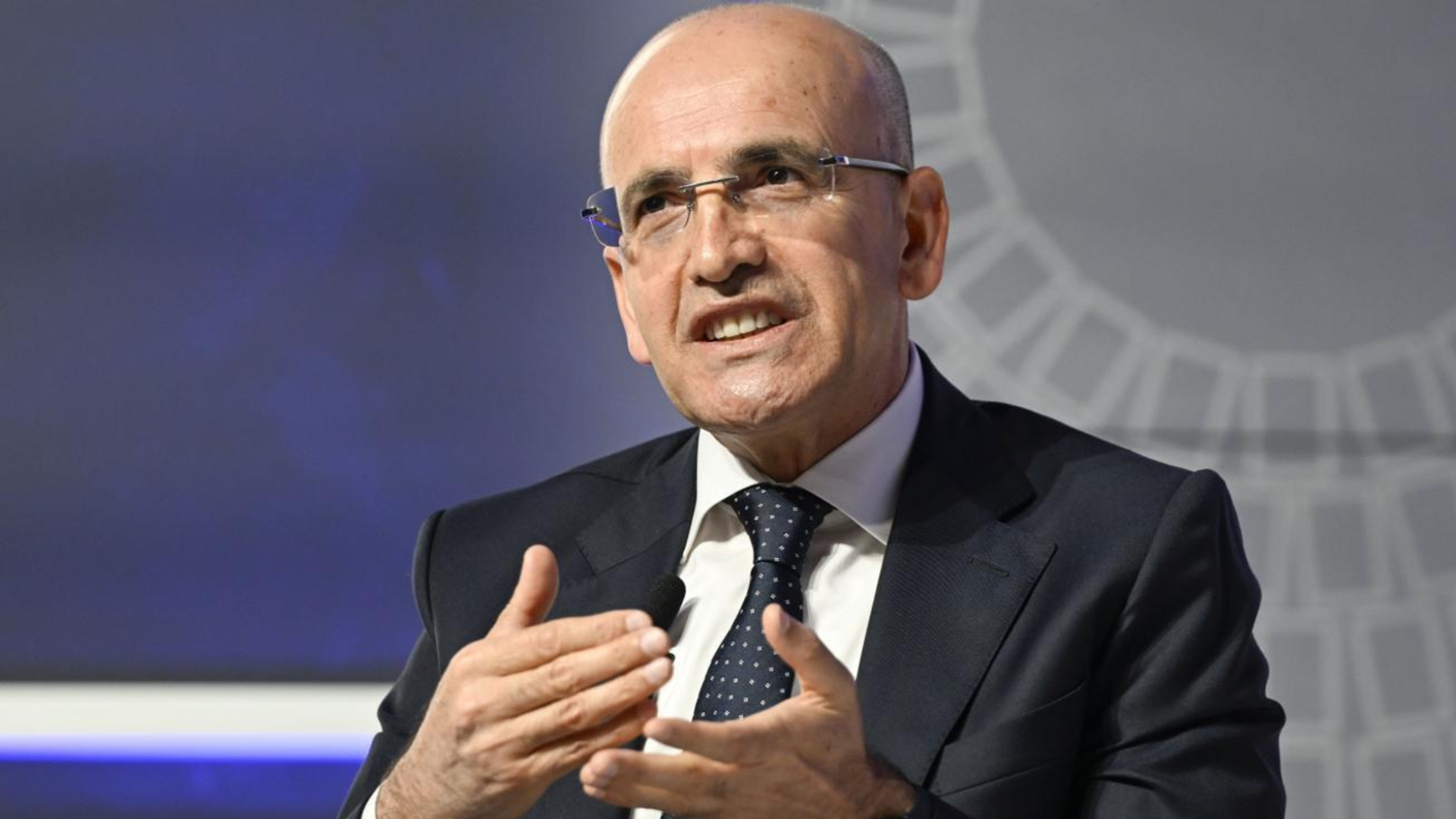
Turkey Targets Inflation Below 20% in 2025: Ministe Şimşek
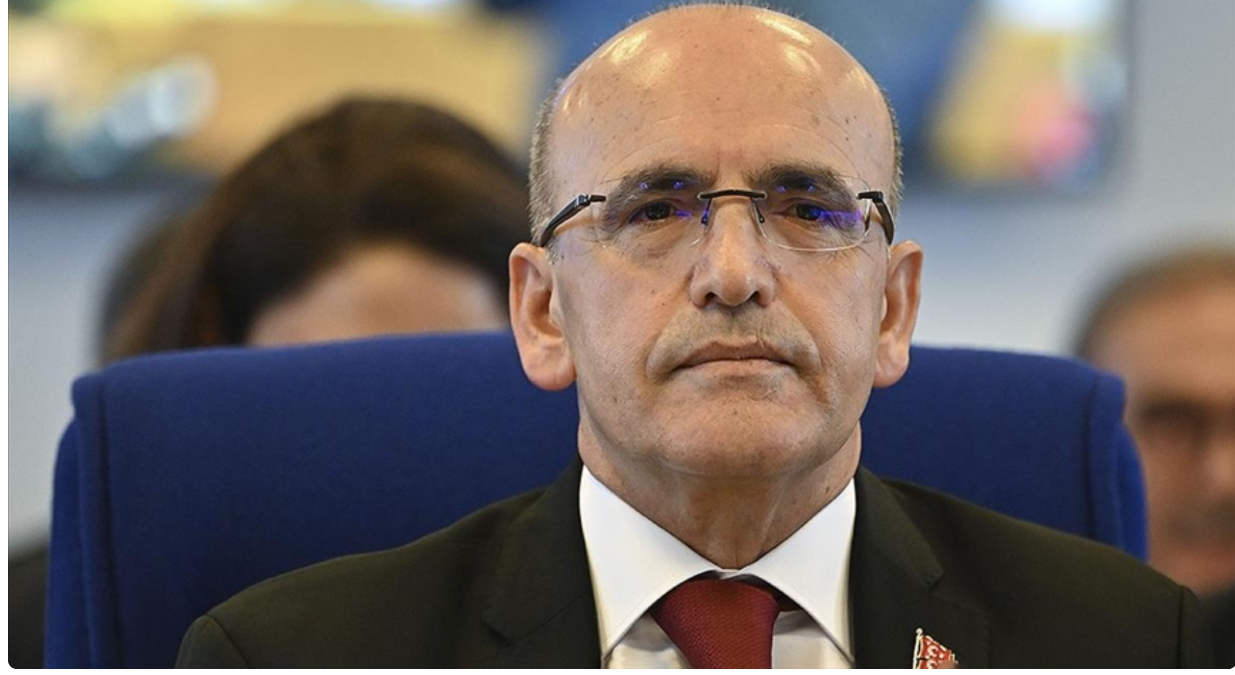 mehmet-simsek
Turkey’s Minister of Treasury and Finance Mehmet Şimşek signaled a decisive roadmap for the country’s disinflation strategy, stating that while inflation will likely end the year near current levels, the government’s 2025 target is to bring inflation below 20%. Speaking on the broader macroeconomic outlook, Şimşek emphasized that the administration’s primary objective remains clear: achieving single-digit inflation as part of a long-term vision for sustainable, inclusive economic growth.
Şimşek highlighted key advancements in macro-financial stabilization, noting that Turkey has already achieved significant reserve accumulation, exited the KKM scheme, reduced the current account deficit, and unwound a substantial portion of the government’s contingent liabilities. “We have exited 143 billion dollars of public contingent liabilities. Only about 400 million dollars remain, and we are waiting for its maturity,” he said. According to the minister, tightening the budget deficit to 3% of GDP this year marks a significant turning point, with an expectation of bringing it down further in the years ahead.
Drivers of High Inflation and the Road to Disinflation
Reflecting on why headline inflation stands at around 31%, Şimşek pointed to structural pressures driven by housing, education, and services inflation. These components, he explained, continue to impact price stability. Although inflation will remain close to current levels through year-end, the government’s baseline scenario foresees a meaningful drop in 2025, pushing inflation below the 20% threshold.
His message was clear: “Inflation is falling, it will continue to fall, and Turkey will emerge with a stronger economy.” The minister underscored that cooling inflation, combined with structural reforms, will form the backbone of a more resilient future.
Fiscal Reform Agenda: Accountability and Shock Resilience
Looking ahead, Şimşek announced plans for major public finance reforms, all aimed at strengthening fiscal accountability and boosting economic resilience. He noted that Turkey has so far spent 90 billion dollars on earthquake-related expenditures, emphasizing the necessity of maintaining strong buffers against future shocks.
A critical pillar of this agenda is reinforcing the balance sheet of the Central Bank of the Republic of Türkiye (TCMB). Şimşek highlighted the need for robust net reserves capable of acting as a macroeconomic buffer: “We increased reserves by 118.9 billion dollars,” he stated, underscoring the magnitude of recent reserve gains.
External Balances, Gold Demand, and Long-Term Vision
Addressing Turkey’s current account dynamics, Şimşek pointed out that, excluding gold imports, the country is now close to eliminating its current account deficit. He reiterated that gold remains an essential component of household portfolio preferences—one that the government respects and does not intend to restrict.
He also highlighted Turkey’s significant rise in global income rankings. Based on current exchange rates, Turkey now stands 16th in the world in per-capita GDP, while on a purchasing-power-parity basis it has climbed from 16th to 11th place.
Şimşek noted that Turkey’s GDP has expanded dramatically—from 238 billion dollars to nearly 1.6 trillion dollars this year—and projected that between 2026 and 2028, the current account deficit will no longer be a structural problem.
Path to Investment-Grade Credit Rating
The minister ended on an optimistic note about Turkey’s international credit standing. He affirmed that the country is rapidly advancing toward investment-grade status, supported by disinflation, fiscal discipline, and structural reforms: “We will continue moving swiftly toward the investment-grade category,” Şimşek said.
Related articles
Inflation Expectations Improve, Minister Şimşek Says Trend Supports Disinflation

Turkey Prepares for New Minimum Wage as Commission Meets on December 12
S&P’s Frank Gill Highlights Key Risks as Turkey Aims for Investment Grade