Turkey Revives Multibillion-Dollar Privatization Plan for Istanbul Bridges and Highways
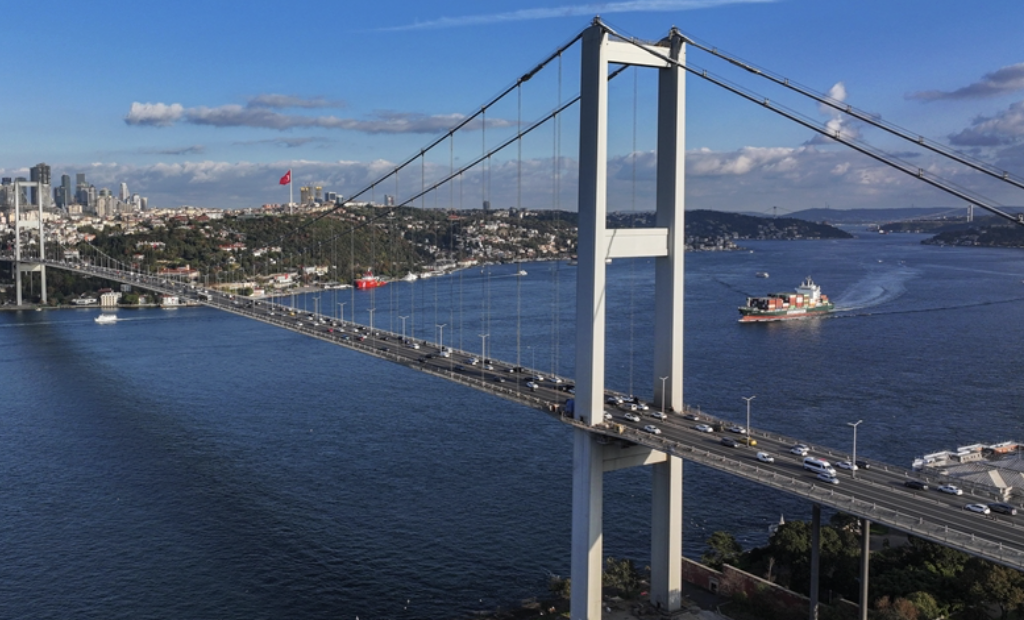 Bosphorus Bridge
Turkey is preparing one of its largest-ever privatization deals by transferring the operating rights of two of Istanbul’s most critical bridges and several major toll highways. According to a report by Bloomberg, the Privatization Administration (ÖİB) has sent requests for proposals to investment banks, signaling the start of a new process involving billions of dollars.
The plan includes the 15 July Martyrs Bridge and the Fatih Sultan Mehmet Bridge, as well as at least nine toll highways currently operated by the General Directorate of Highways (KGM). With daily traffic measured in the hundreds of thousands of vehicles, these assets represent some of Turkey’s most valuable infrastructure.
If completed, the deal would mark the largest privatization transaction in Turkish history.
A Return to a Controversial Debate
This is not the first time these assets have been placed on the privatization table. In 2012, a consortium including Koç Holding, Gözde Girişim Sermayesi, and Malaysia-based UEM Group won the tender with a $5.7 billion bid.
However, then-Prime Minister Recep Tayyip Erdoğan canceled the tender, deeming the offer insufficient. At the time, he declared that selling the rights for less than $7 billion would be “an act of betrayal.”
The decision was seen as both an assertion of Turkey’s valuation of its strategic infrastructure and an indicator of the political sensitivity surrounding privatizations of national assets.
Fiscal Pressures Driving Renewed Push
According to Bloomberg, the current administration is motivated by the need to boost public revenues and narrow the budget deficit, which is expected to reach 3.6% of GDP by year-end.
With external financing needs rising and fiscal discipline under pressure, privatization is being revisited as a potential tool to generate immediate income. By transferring operational rights rather than selling ownership outright, the government could secure billions of dollars while retaining long-term control of the assets.
Early Stages, No Guarantees
The process is still at an early stage, and it remains unclear whether the deal will be finalized. Neither the Privatization Administration nor the Ministry of Treasury and Finance responded to Bloomberg’s inquiries.
Market analysts suggest that while global appetite for infrastructure investments remains strong, Turkey’s current economic and political conditions could affect investor interest and pricing.
Potential Impact on Citizens
Privatization of toll roads and bridges is a sensitive issue in Turkey, where inflation and high living costs are already squeezing households. Critics warn that transferring operations to private entities may lead to higher toll fees over time, further burdening commuters who rely on these routes daily.
Supporters, on the other hand, argue that privatization could bring in efficiency, better maintenance, and upfront cash flow for the state, easing fiscal pressures in the short term.
The Largest Privatization Attempt Yet
If carried through, the transaction could eclipse previous large-scale privatizations in Turkey, including the sales of Türk Telekom and various energy distribution companies. With traffic-heavy assets like the 15 July Martyrs Bridge, which connects the Asian and European sides of Istanbul, investors see long-term, predictable cash flow potential.
The scale of the deal also highlights the government’s determination to explore every avenue to shore up finances during a challenging economic period.
Conclusion: Uncertainty Over Outcome
Turkey’s revived privatization plan for bridges and highways represents both a historic opportunity and a political gamble. The process could generate billions in much-needed revenue but also risks public backlash if it results in higher tolls or perceptions of undervaluing strategic assets.
As Bloomberg notes, the outcome is far from certain. But if completed, the transfer of operational rights for Istanbul’s iconic bridges and major highways would mark a watershed moment in Turkey’s privatization history.