Turkey Prepares for New Minimum Wage as Commission Meets on December 12
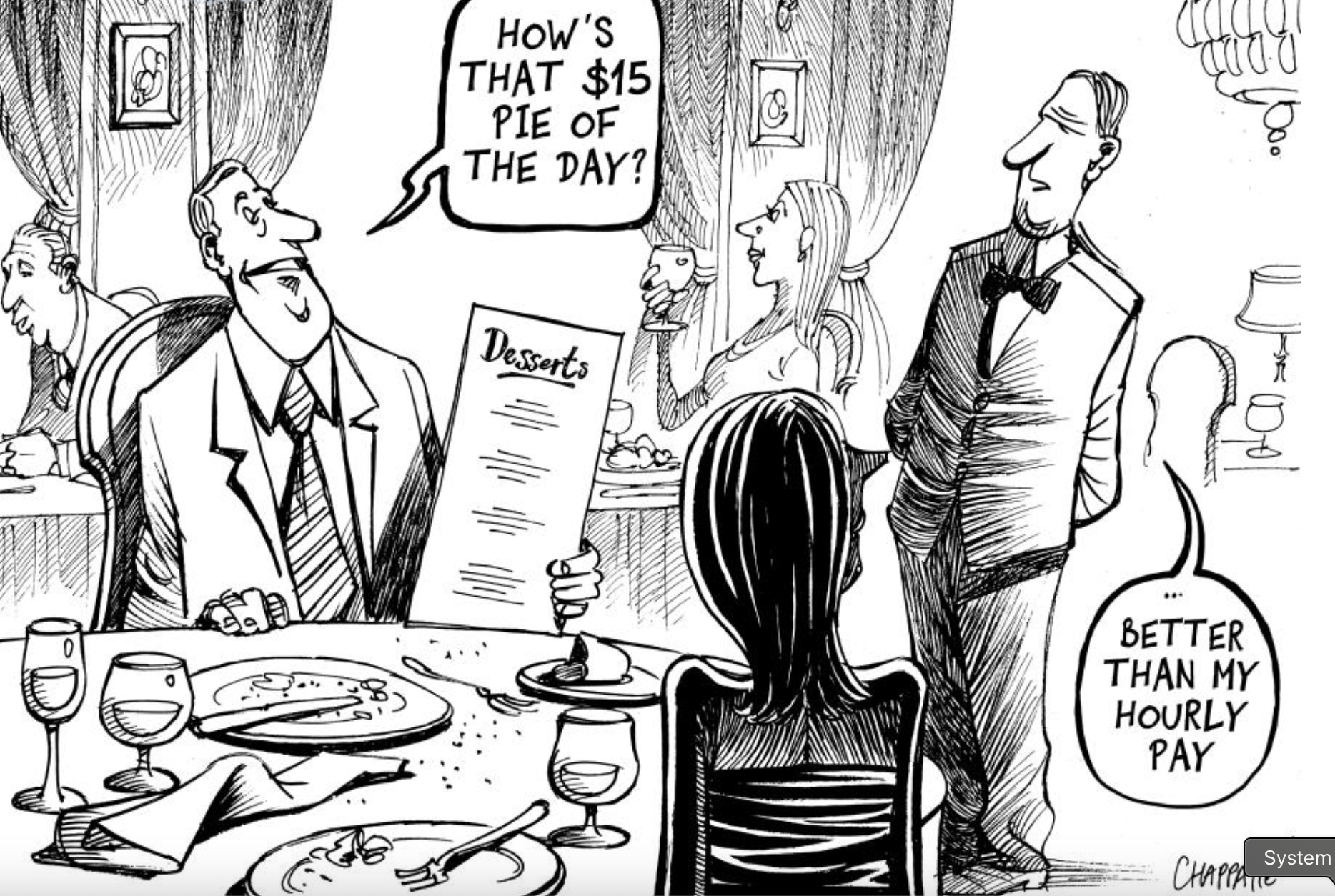 Minimum Wage by Patrick Chappatte
Turkey is entering a decisive week as the Minimum Wage Determination Commission prepares to hold its first meeting on Friday, December 12, launching a process that will directly shape the income of nearly 7 million workers and indirectly affect the wider economy. With the current net minimum wage at 22,104 TL, forecasts for the 2026 adjustment point to possible raises between 25% and 33%.
The Ministry of Labor and Social Security has invited TÜRK-İŞ, representing employees, and TİSK, representing employers, to the opening session scheduled for 12 December at 14:00. The meeting will take place under the Ministry’s leadership and is expected to reflect the Commission’s newly structured composition.
Current Minimum Wage and Cost to Employers
Turkey’s minimum wage stands at a gross monthly figure of 26,005.50 TL, corresponding to a net take-home amount of 22,104.67 TL for a single worker after deductions.
When employer contributions are included, the total monthly cost reaches 30,621.48 TL, a figure composed of:
-
26,005.50 TL gross wage
-
4,095.87 TL social security premium
-
520.11 TL employer unemployment insurance contribution
These numbers illustrate the broader financial impact minimum wage adjustments have not only on workers but also on businesses across the country.
Inflation Indicators: 11-Month Rate at 29.74%
According to the Turkish Statistical Institute (TÜİK), the Consumer Price Index (CPI) rose 0.87% in November, bringing annual inflation to 31.07%.
For wage negotiations, the key metric is cumulative inflation between July and November, which now stands at 11.21%. The 11-month inflation total reached 29.74%, forming the baseline of expectations for January adjustments.
Economic Signals from the Central Bank and Finance Ministry
The Central Bank of Turkey (TCMB) recently revised its year-end inflation forecast upward to the 31–33% range, signaling persistent price pressures heading into 2026.
Finance and Treasury Minister Mehmet Şimşek echoed this outlook, stating that inflation will likely close 2025 around 31%, reinforcing expectations for a meaningful minimum wage update.
Projected Minimum Wage Scenarios for 2026
Based on inflation projections and Cabinet-level economic assessments, several percentage-based raise scenarios have been calculated. These models indicate the following potential net minimum wage figures:
-
25% increase → 27,630 TL
-
27% increase → 28,072 TL
-
29% increase → 28,515 TL
-
31% increase → 28,957 TL
-
32% increase → 29,178 TL
-
33% increase → 29,399 TL
While the government has not yet signaled a preferred rate, analysts suggest that the final figure will likely align with inflation forecasts and budgetary constraints.
A Raise That Reverberates Across the Economy
An increase in the minimum wage does not only affect salaries; it also shapes the financial thresholds of numerous social and economic mechanisms. A higher minimum wage will automatically update:
-
Unemployment benefits (minimum and maximum levels)
-
Severance and notice compensation
-
Minimum temporary disability payments
-
Baseline stipends for interns and apprentices
-
General Health Insurance (GSS) contributions
Employers and employees alike are preparing for the broader financial implications of a new minimum wage structure as these recalibrations will ripple across the labor market.
Why This Year’s Increase Matters More Than Ever
With inflation elevated and cost-of-living pressures persisting across Turkey, the minimum wage decision carries significant political and economic weight. Rent, food prices, transportation costs and healthcare expenditures continue to outpace wage growth for millions of households. The Commission’s deliberations are therefore expected to be closely monitored by unions, employers, policymakers and the general public.
Related articles
Özgür Özel Warns 2026 Minimum Wage Falls Below Hunger Line, Calls for Early Elections

Turkey Draws a Red Line on Prices After 27% Minimum Wage Hike

Unemployment Insurance Fund Usage Rises to 50% Amid Criticism