Turkey May Launch Operation Against SDF If Integration Deal Fails by December, Syrian President Hints
 al sharaa
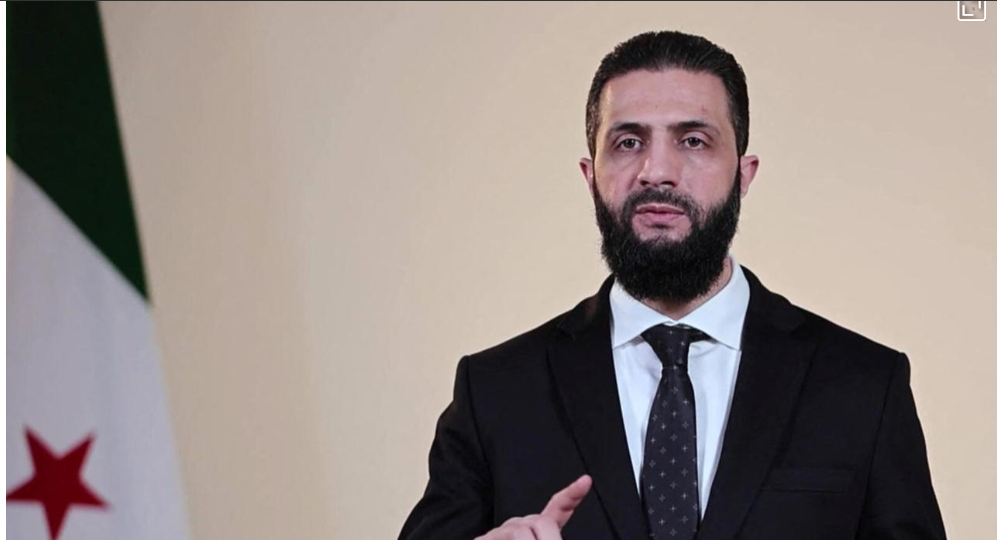
Syrian President Ahmad al-Sharaa has suggested that Turkey could resume military operations in northeastern Syria unless the Kurdish-led SDF finalizes its integration into the Syrian state structure by the end of the year.
In a closed-door meeting with journalists and regional experts at the presidential palace in Damascus, President Ahmad al-Sharaa signaled that Ankara’s patience with the Syrian Democratic Forces (SDF) may be wearing thin. He hinted that if no concrete progress is made toward implementing the March 10 agreement for the SDF’s integration by December, Turkey may opt for military action.
Sharaa said that, following Bashar al-Assad’s departure from power, Damascus had persuaded Ankara to delay military intervention against the SDF and give diplomacy a chance. That window, he warned, may now be closing.
Ankara’s Growing Frustration
In Turkey, high-level voices have increasingly expressed dissatisfaction with the slow progress of SDF integration. President Recep Tayyip Erdoğan, Foreign Minister Hakan Fidan, and MHP leader Devlet Bahçeli have all issued firm statements in recent weeks. Bahçeli notably labeled the SDF as an “outpost of Israel,” raising the rhetorical stakes.
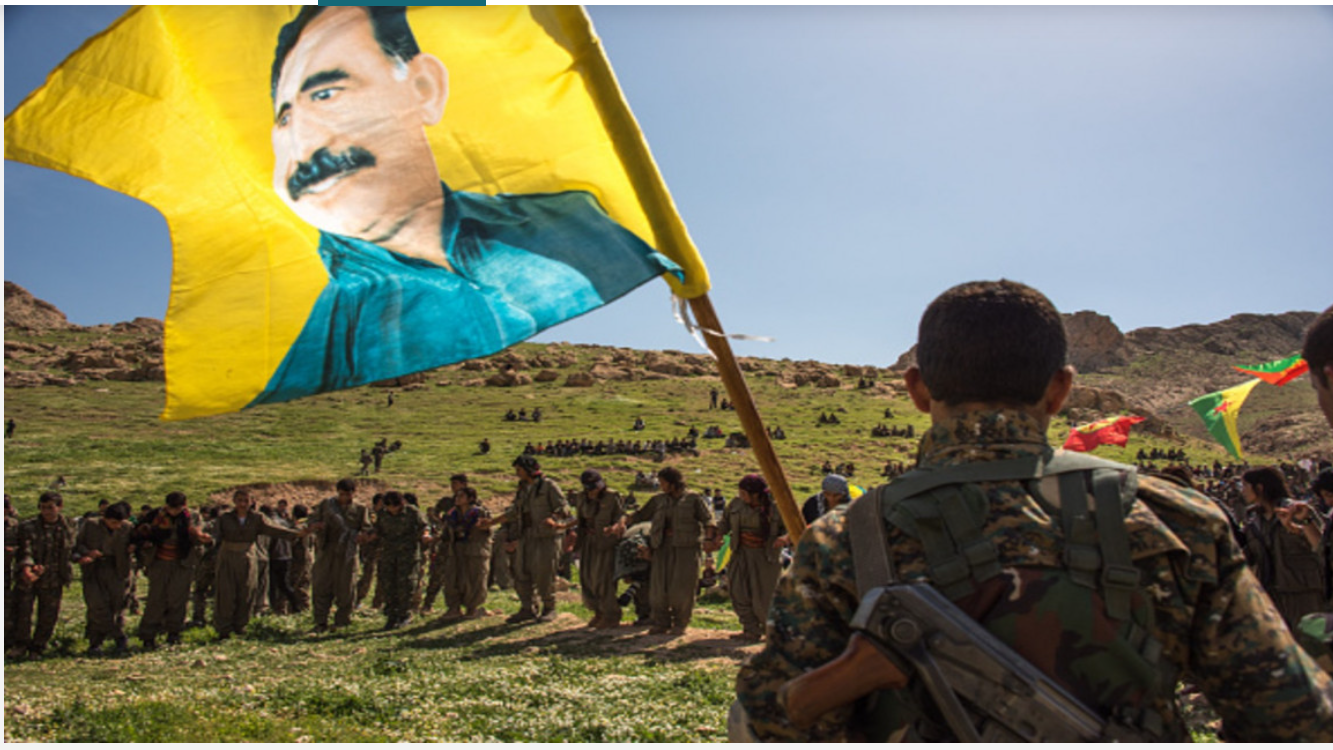
Turkish officials have long accused the SDF’s dominant faction—the YPG—of being the Syrian arm of the PKK, which Turkey designates as a terrorist organization. The belief in Ankara is that the SDF has misread Turkey’s domestic peace efforts with the PKK as a sign of weakness, calculating that Turkey would avoid further military action. Sharaa called this assumption misguided.
Sharaa: SDF Status Quo Is Unsustainable
President Sharaa said the March 10 agreement—which was reportedly backed by both Turkey and the United States—represented a historic opportunity for integration. However, he blamed “certain factions” within the SDF and PKK for undermining the process. He welcomed PKK founder Abdullah Öcalan’s recent call for disbanding the organization but said the SDF continues to operate outside the agreed framework.
Sharaa said that the SDF’s control in northeastern Syria poses a national security threat not just to Turkey, but also to Iraq. He reiterated his message to SDF commander Mazloum Abdi: “If you came here to demand rights for the Kurds, don’t bother. Ensuring Kurds are equal citizens of Syria is my principle—I care more about Kurdish rights than you do.”
He also dismissed the SDF’s demands for decentralization as veiled separatism. Syria, he claimed, is already largely decentralized under Law No. 107, and society is not prepared for debates around federalism or autonomy.
Turkish Defense Ministry: No Withdrawal Until Borders Are Secured
The Turkish Defense Ministry issued a statement Thursday clarifying that Turkish troops would remain in Syria until the border is fully secured and the threat of terrorism is neutralized.
Spokesman Zeki Aktürk said Turkey’s presence was in accordance with international law and legitimate self-defense. While Turkish troops have largely withdrawn from areas dominated by Hayat Tahrir al-Sham (HTS) since December, they continue to maintain a military presence in the northeast and provide intermittent support for operations against the SDF.
Aktürk recently characterized the Syrian government’s failure to fully disarm the Kurdish YPG forces as an ongoing threat to Turkish national security.
Turkish Intelligence in Contact with Damascus
Sharaa’s remarks come shortly after a meeting with Turkey’s intelligence chief İbrahim Kalın. While Kalın reportedly reiterated Ankara’s support for continued dialogue, the two sides remain divided on the Kurdish issue.
Meanwhile, reports suggest that HTS may be preparing its own offensive against Kurdish-held regions. Turkish support for the group—often seen as controversial—could be tied to this objective, given HTS’s stated aim of reclaiming control over all Syrian territory, including the Kurdish northeast.
SDF-Syria Integration Talks Have Stalled
In February, the SDF and Syrian government agreed in principle to an integration framework, but implementation has faltered. The Kurdish side is reportedly seeking guarantees for political decentralization, while Damascus insists on full reintegration into the state.
Foreign Minister Hakan Fidan recently stated that Turkey still has “reservations” about the process but is allowing Syria space to proceed. That position may soon shift if no progress is made.
Related articles

Imamoglu testimony finished, court decision imminent
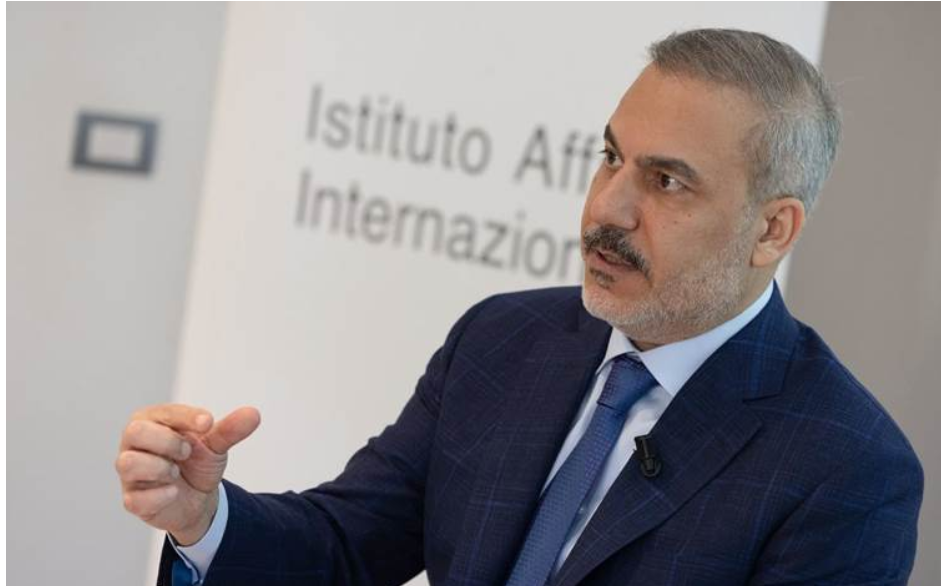
Turkey’s Fidan: Ankara Will Give SDF-Damascus Deal a Chance Despite Reservations

ANALYSIS: Erdogan’s “return home” call ignored as Turkey drops further in academic freedom index