Turkey–Israel Rivalry Spills Into the Eastern Mediterranean
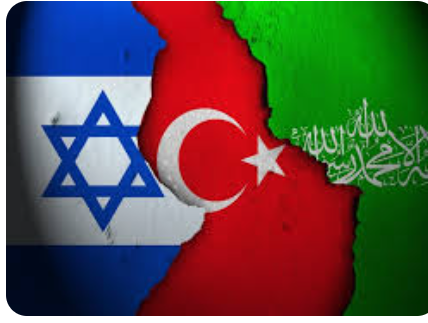 tr-israil
Ankara’s Reported Radar Deployment in Syria Raises Tensions With Israel
Summary:
Tensions between Turkey and Israel are escalating as Ankara reportedly moves to deploy radar systems inside Syria, a step Israeli security officials view as a potential constraint on Israel’s air operations. The development coincides with a high-profile summit in Jerusalem bringing together Israel, Greece and Cyprus, where Prime Minister Benjamin Netanyahu delivered pointed warnings widely interpreted as directed at Turkey.
Turkish Military Presence in Syria Draws Israeli Concern
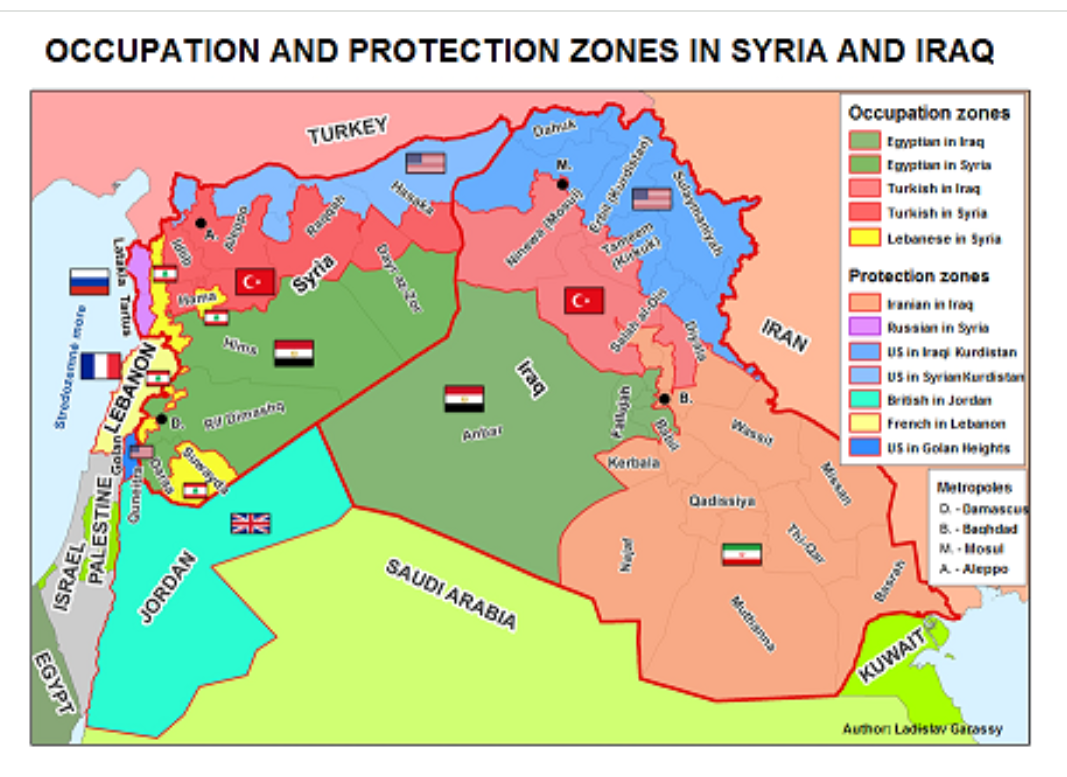
Israel–Turkey relations are under renewed strain amid reports that Turkey has begun deploying radar systems within Syrian territory. According to Western intelligence sources cited by i24NEWS, the systems could significantly limit Israel’s freedom of movement in Syrian airspace.
Israeli security officials believe the radar deployment would allow Turkey to track Israeli aircraft operating over Syria, including flights transiting Syrian airspace en route to operations targeting sites in Iraq or Iran. Such capabilities, Israeli sources argue, could materially constrain the Israeli Air Force’s operational flexibility.
An Israeli security source described the prospect of a permanent Turkish military base in Syria as a “potential threat,” warning that any Turkish air base would “harm Israel’s freedom of action in Syria.”
Netanyahu Issues Warning at Trilateral Summit
The reported Turkish moves come as Israel strengthens coordination with Greece and Cyprus in the Eastern Mediterranean. Speaking alongside Greek Prime Minister Kyriakos Mitsotakis and Cypriot President Nikos Christodoulides in Jerusalem, Israeli Prime Minister Benjamin Netanyahu delivered remarks widely seen as a veiled message to Ankara.
Referring to unnamed regional actors, Netanyahu said that “those who fantasize they can reestablish their empires and their dominion over our lands should forget it,” adding that Israel and its partners were “committed and able to defend ourselves.”
Relations between Israel and Turkey, once close strategic partners, deteriorated sharply following the October 7, 2023 Hamas attack on Israel and the subsequent Gaza war. Turkish President Recep Tayyip Erdoğan has repeatedly accused Israel of committing genocide, while openly supporting Hamas — a group designated as a terrorist organization by Israel, the U.S., and the EU.
Deepening Israel–Greece–Cyprus Security Cooperation
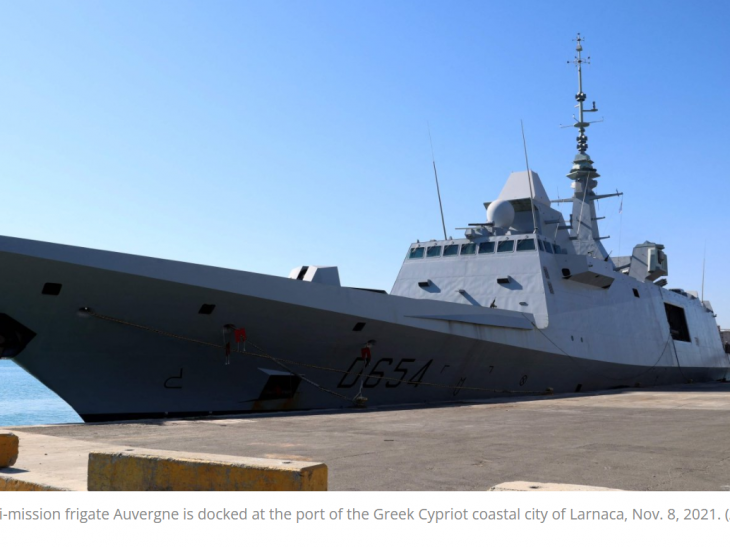
Following the summit, the three leaders signed a joint declaration pledging to reinforce trilateral cooperation on security, defense, and military coordination. The statement emphasized maritime security and protection of sea lanes and critical infrastructure — language widely interpreted as referencing Turkey’s expanding role in the Eastern Mediterranean.
The declaration also reaffirmed cooperation on energy connectivity, including electricity grids and natural gas development, explicitly citing international law and respect for exclusive economic zones (EEZs) and continental shelves — another indirect reference to Ankara’s maritime claims.
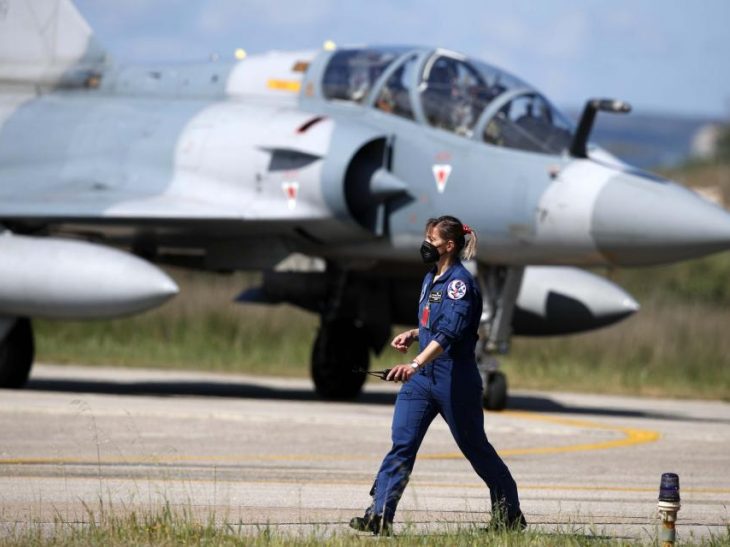
Israel, Greece, and Cyprus have conducted joint naval and air exercises in recent years, and officials from all three countries have indicated that further military coordination is under discussion.
Syria, Lebanon, and Regional Flashpoints
The joint statement also welcomed recent direct contacts between Israel and Lebanon, amid efforts to sustain a fragile ceasefire with Hezbollah. The leaders expressed support for Lebanon’s sovereignty and for maintaining the monopoly of force under legitimate state institutions, referencing U.S.-mediated understandings reached in November 2024.
Meanwhile, Netanyahu used the summit to address concerns over Iran, confirming that Israel is monitoring recent Iranian military exercises and intends to raise Tehran’s nuclear activities in upcoming talks with U.S. President Donald Trump.
“We are following this closely and making all necessary preparations,” Netanyahu said, warning that any Iranian action against Israel would be met with a “very severe response.”
Broader Regional Implications
Beyond security, the trilateral talks also touched on religious and cultural sensitivities in Jerusalem, with Greece — a key supporter of the Greek Orthodox Church — emphasizing the preservation of the status quo at holy sites and protections for Christian communities.
Israeli President Isaac Herzog separately met with Christodoulides and Mitsotakis, highlighting cooperation within the Israel–Greece–Cyprus framework and energy ties with Egypt.
Outlook: Rivalry Expands Beyond Rhetoric
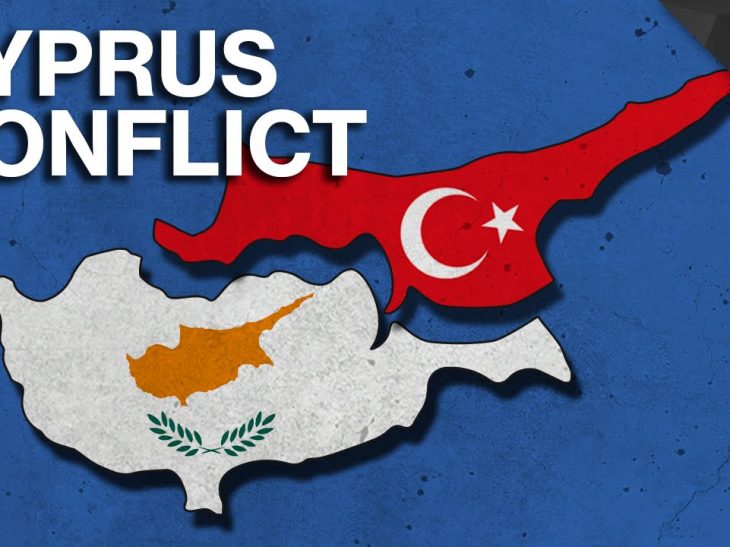
Turkey’s expanding military footprint in Syria, combined with Israel’s deepening alignment with Greece and Cyprus, suggests that the Turkey–Israel rivalry is increasingly spilling into the Eastern Mediterranean. While direct confrontation remains unlikely, overlapping security interests, airspace concerns, and energy disputes are adding new layers of risk to an already volatile regional landscape.
PA Turkey intends to inform Turkey watchers with diverse views and opinions. Articles in our website may not necessarily represent the view of our editorial board or count as endorsement.
Follow our English YouTube channel (REAL TURKEY):
https://www.youtube.com/channel/UCKpFJB4GFiNkhmpVZQ_d9Rg
Twitter: @AtillaEng
Facebook: Real Turkey Channel: https://www.facebook.com/realturkeychannel/