Turkey Faces Severe Water Scarcity Risk as Climate Crisis Deepens
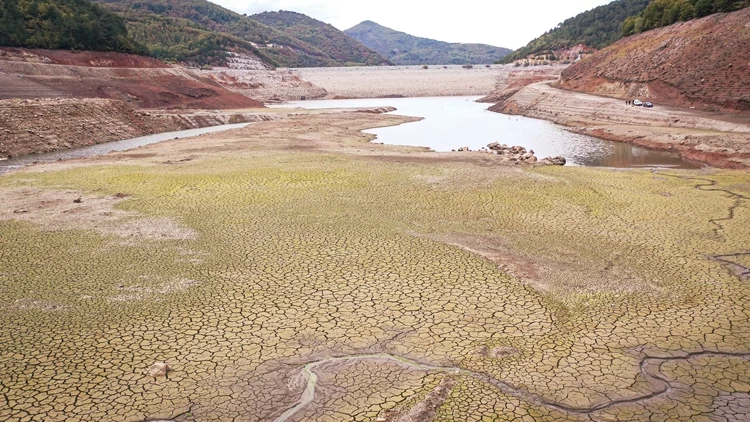
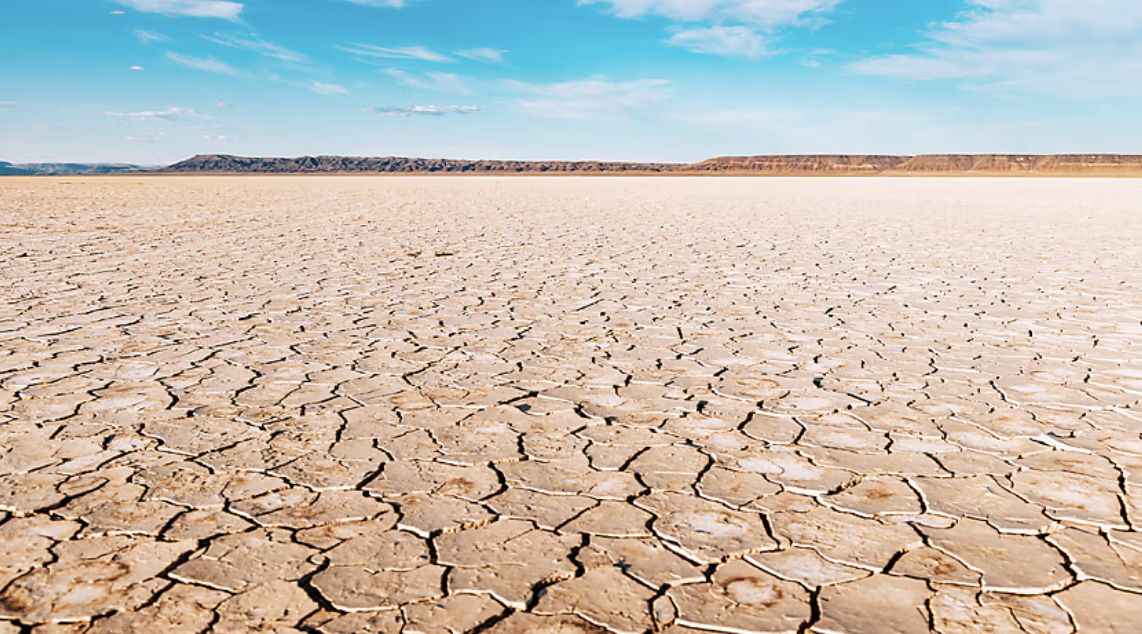 Drought in Turkey
As global warming accelerates and climate patterns shift, the world is approaching a critical water crisis. According to a United Nations report, nearly 2 billion people currently lack access to safe drinking water, with demand for freshwater expected to far exceed supply in just a few years.
The UN warns that if current practices continue, by 2030, the world could face a 40% gap between water demand and available resources. Rising global population, rapid urbanization, industrial activity, and unsustainable consumption habits are pushing the planet toward a tipping point.
Turkey Among High-Risk Countries for Climate Impact
Amid this global concern, the Presidency of Strategy and Budget of Turkey has released a comprehensive report titled “Water Management 2024–2028”, laying out alarming projections about the nation’s future. The document underscores that Turkey’s geographic position—in the eastern Mediterranean, one of the world’s most climate-vulnerable regions—places it squarely in the high-risk category for drought and extreme weather.
“Turkey, due to its location in the eastern Mediterranean where climate change impacts are felt most intensely, is considered among high-risk countries,” the report states.
“Global-scale shifts are already being observed in Turkey’s climate, and during the 21st century, more frequent, intense, and prolonged droughts, heatwaves, and forest fires are expected across Southern Europe and our country.”
A Future Defined by Water Scarcity
The findings of the report are stark. Turkey’s population is projected to reach 93.3 million by 2030, 100.3 million by 2040, and over 104.7 million by 2050, according to TÜİK (Turkish Statistical Institute) estimates. This surge in population will dramatically strain water supplies.
The report predicts that per capita available water—a critical indicator of national water security—will drop from current levels to just 1,200 cubic meters in 2030, 1,116 cubic meters in 2040, and 1,069 cubic meters by 2050. These figures bring Turkey dangerously close to the “water scarcity threshold”, defined internationally as 1,000 cubic meters per person per year.
“Turkey is expected to reach the threshold of water scarcity in the near future,” the report concludes, warning that the country could soon transition from water stress to full-scale scarcity.
Climate Reality and Policy Paradox
Despite the clarity and urgency of these findings, environmental degradation in Turkey continues at an alarming pace. Urban expansion, deforestation, unregulated industrial discharge, and the destruction of natural water basins have exacerbated the situation.
Experts argue that the contrast between official warnings and real-world practices represents a troubling paradox. While the government acknowledges the growing danger in strategic documents, infrastructure and environmental enforcement often lag behind.
Climate scientists stress that Turkey’s challenges are part of a broader Mediterranean crisis—where desertification, erratic rainfall, and rising temperatures are reshaping ecosystems. As global temperatures climb, Turkey’s water cycle is becoming more unstable, threatening agriculture, hydropower, and daily life in both urban and rural areas.
The Race to Adapt
Environmental organizations and policy experts are calling for urgent water management reforms, including:
-
Expansion of efficient irrigation systems in agriculture, which consumes about 70% of the country’s water.
-
Investment in rainwater harvesting, wastewater recycling, and smart metering technologies.
-
Public awareness campaigns to reduce domestic consumption.
-
Stronger enforcement against pollution and overextraction of groundwater.
A Narrowing Window of Time
The “Water Management 2024–2028” report serves as both a scientific forecast and a national wake-up call. Without immediate action, Turkey could face severe water shortages within the next two decades—impacting food security, energy production, and social stability.
The world’s water crisis is no longer a distant threat—it is unfolding now. For Turkey, the path forward demands both political will and societal change to protect its most vital resource before it runs dry.