Turkey Draws a Red Line on Prices After 27% Minimum Wage Hike
 supermarket-price-increases
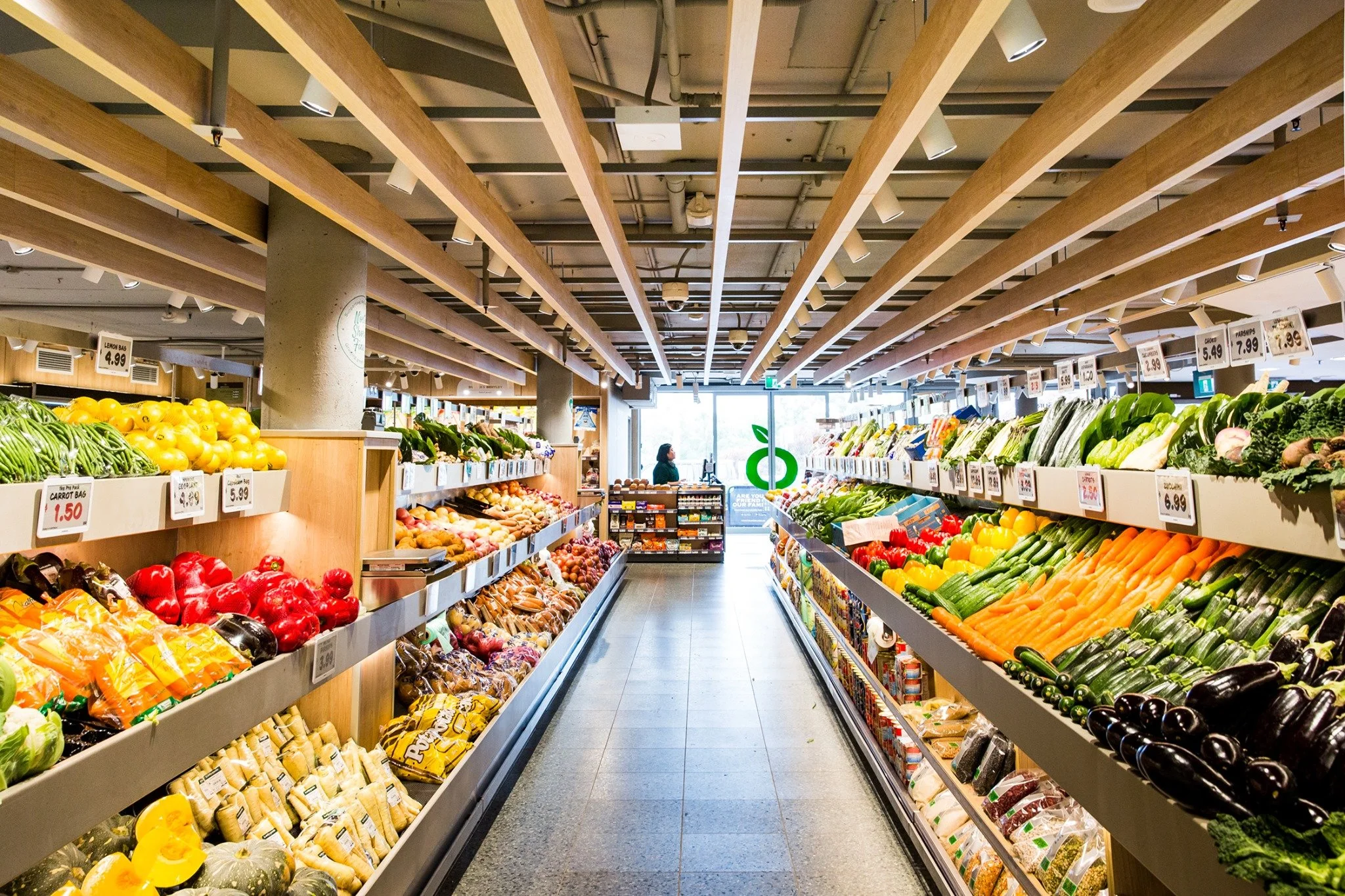
Turkey’s Trade Ministry has issued a strong warning to businesses following the announcement of the 2026 minimum wage, signaling that unjustified price increases will be met with strict penalties. Authorities stressed that exploiting wage adjustments as a pretext for excessive pricing will not be tolerated, as the government intensifies efforts to protect consumers and preserve market stability.
Under the Minimum Wage Fixing Commission’s decision, the net monthly minimum wage for 2026 has been increased by 27 percent to 28,075 Turkish lira. While officials described the raise as a necessary step to support workers amid ongoing cost-of-living pressures, the Trade Ministry was clear that the increase does not justify automatic or disproportionate price hikes across the economy.
Wage Costs Do Not Justify Blanket Price Increases
In its official statement, the Ministry of Trade emphasized a key economic principle: labor costs are only one component of total production and service expenses. According to the Ministry, translating the wage increase directly and uniformly into higher prices for goods and services contradicts basic economic logic.
Officials warned that businesses attempting to use the wage adjustment as a blanket justification for raising prices would be engaging in unfair and excessive pricing practices. Such behavior, the Ministry said, undermines consumer purchasing power, disrupts price stability, and damages fair competition—especially in essential sectors such as food, agriculture, retail, and basic services.
By highlighting proportionality and cost-based pricing, the government made clear that businesses will be expected to justify any price adjustments with transparent and verifiable cost data.
Nationwide Inspections Intensified
To ensure compliance, inspection teams have been deployed across the country. These efforts are being coordinated with multiple public institutions, including agricultural authorities and provincial trade offices, creating a nationwide monitoring network focused on detecting unjustified price movements.
Within the Trade Ministry, specialized units responsible for internal trade oversight and consumer protection are conducting ongoing, on-site inspections. These teams are tracking pricing behavior before and after the wage increase, identifying abnormal spikes, and intervening rapidly when violations are detected.
Officials stressed that enforcement will be proactive rather than reactive. The goal is to prevent opportunistic pricing behavior from spreading before it becomes entrenched in supply chains.
Heavier Fines and Zero Tolerance Policy
The Ministry also confirmed that administrative fines will be imposed without exception on businesses found engaging in unfair pricing. Penalty amounts have been updated and increased, reinforcing a deterrence-based approach.
Authorities stated that any practice that harms price stability, distorts competition, or deliberately targets consumer purchasing power will face the harshest available sanctions. This includes attempts to conceal excessive profit-seeking behind broader narratives such as inflation or wage pressure.
By acting early, policymakers aim to ensure that the benefits of the minimum wage increase are not quickly eroded by artificial price inflation.
Consumers Urged to Report Abuses
Consumers have been called upon to play an active role in market oversight. The Ministry urged citizens to report unfair price increases and profiteering through official reporting channels without delay.
According to officials, every complaint is reviewed carefully and processed immediately. This system allows authorities to intervene quickly and prevents abusive pricing practices from spreading across regions or sectors.
The government views consumer reporting as a critical layer of enforcement, strengthening transparency and accountability in the marketplace.
Protecting Purchasing Power and Market Balance
The broader objective, officials said, is to protect household purchasing power amid inflation that continues to weigh heavily on daily life. Preventing unjustified price increases is seen as essential to ensuring that wage gains translate into real improvements in living standards.
The message from Ankara is clear: a higher minimum wage does not grant businesses a free pass to raise prices indiscriminately. While legitimate cost pressures will be assessed fairly, opportunistic behavior will face decisive consequences.
Related articles

Bread and Simit Prices Put on a Leash
Turkey’s Informal Workforce Costs Over 1 Trillion TL Annually, TÜİK Data Shows
Turkey Prepares for New Minimum Wage as Commission Meets on December 12