Turkey and UAE Seal Historic Swap Deal Worth 198 Billion Lira
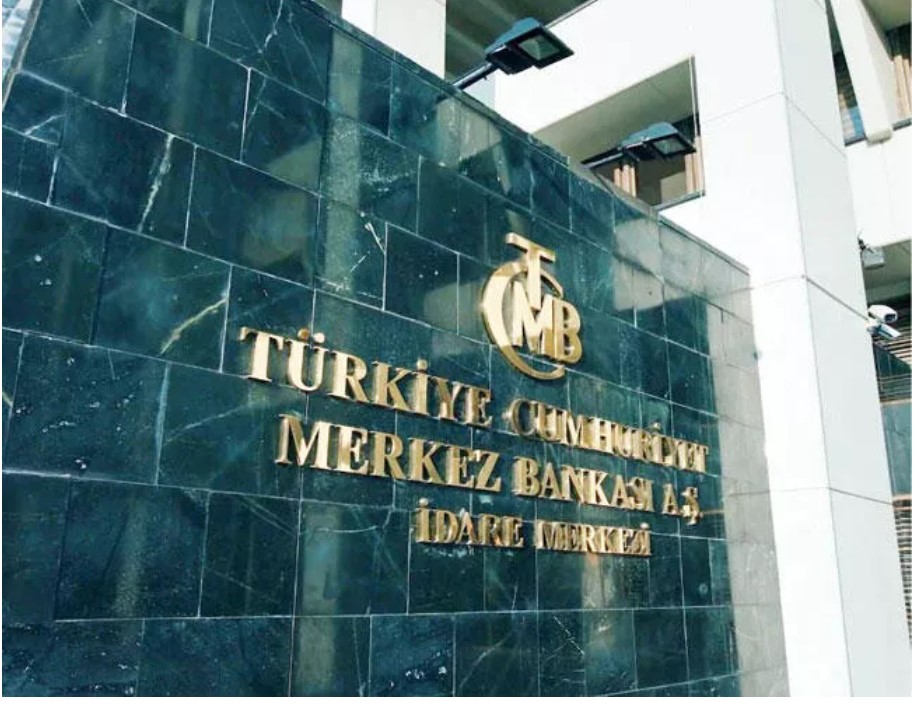 TCMB
TCMB
The Central Bank of the Republic of Türkiye (CBRT) and the Central Bank of the United Arab Emirates (CBUAE) have signed a landmark bilateral currency swap agreement aimed at strengthening financial ties, boosting cross-border trade, and enhancing liquidity in local currencies.
According to the CBRT’s statement, the deal also includes two memoranda of understanding (MoUs)—one designed to promote the use of the Turkish lira (TRY) and UAE dirham (AED) in cross-border transactions, and another to link the countries’ payment and messaging systems. Together, these initiatives seek to deepen financial cooperation and pave the way for a more integrated economic partnership.
Details of the Swap Agreement
The nominal value of the swap agreement has been set at 198 billion TRY and 18 billion AED, a substantial figure that underlines the scale of commitment between the two nations. The swap aims to provide liquidity in local currencies, making financial markets more efficient while facilitating trade and investment flows. Officials highlight that the arrangement will improve resilience in cross-border financial transactions and provide businesses with easier access to local-currency funding.
The agreement was signed during an official ceremony attended by CBRT Governor Dr. Fatih Karahan and CBUAE Governor Khaled Mohamed Balama, alongside senior officials from both countries.
First MoU: Boosting Local Currency Use in Trade
The first memorandum focuses on increasing the role of the lira and dirham in bilateral commerce. By creating a framework for cross-border settlement in local currencies, the agreement aims to reduce reliance on third-party currencies, streamline foreign exchange markets, and encourage investments. The MoU also envisions the creation of a local currency swap mechanism for current and capital account transactions. Additionally, it promotes knowledge-sharing to ensure both central banks align strategies to expand the use of domestic currencies in international business.
Second MoU: Payment Systems and Digital Integration
The second memorandum addresses cross-border payments, seeking to integrate Turkey’s FAST instant payment system with the UAE’s Aani platform. This integration will simplify financial flows and reduce transaction times. It also covers cooperation on central bank digital currency (CBDC) platforms, with both institutions committing to exchange expertise on wholesale and retail payment systems. The ultimate goal is to ensure interoperability, strengthen efficiency, and create a seamless financial infrastructure between the two economies.
This MoU is also expected to support the wider adoption of local payment cards and encourage advanced fintech solutions—including the use of artificial intelligence—within the financial sector.
Official Remarks
Speaking at the signing, CBRT Governor Dr. Fatih Karahan emphasized: “These agreements reflect our joint commitment to strengthen financial cooperation, enhance bilateral trade through local currencies, and support sustainable development goals. They will provide new opportunities for trade and investment, while also accelerating the adoption of advanced technologies such as AI in the financial sector.”
CBUAE Governor Khaled Mohamed Balama added: “The agreements highlight our determination to deepen strategic cooperation, particularly in finance, fintech, and digital cross-border payments. Encouraging the use of local currencies reduces costs, shortens transaction times, and contributes to the development of foreign exchange markets, ultimately boosting trade and financial transfers.”
Strategic Importance
The deal not only reflects a deepening of economic ties but also signals the growing role of regional cooperation in the face of global financial volatility. By encouraging trade in local currencies and linking digital payment ecosystems, Turkey and the UAE are positioning themselves as regional leaders in financial innovation.
For businesses, the agreements offer a tangible path toward lower costs, faster settlements, and more stable access to liquidity. For policymakers, they highlight the potential of local currencies and digital infrastructure to strengthen economic sovereignty while expanding bilateral trade.
As global markets grapple with uncertainty, this swap agreement may serve as a blueprint for how emerging economies can leverage regional alliances and technology to secure financial stability and foster growth.