Turkey Accelerates Kars–Nakhchivan Rail Project
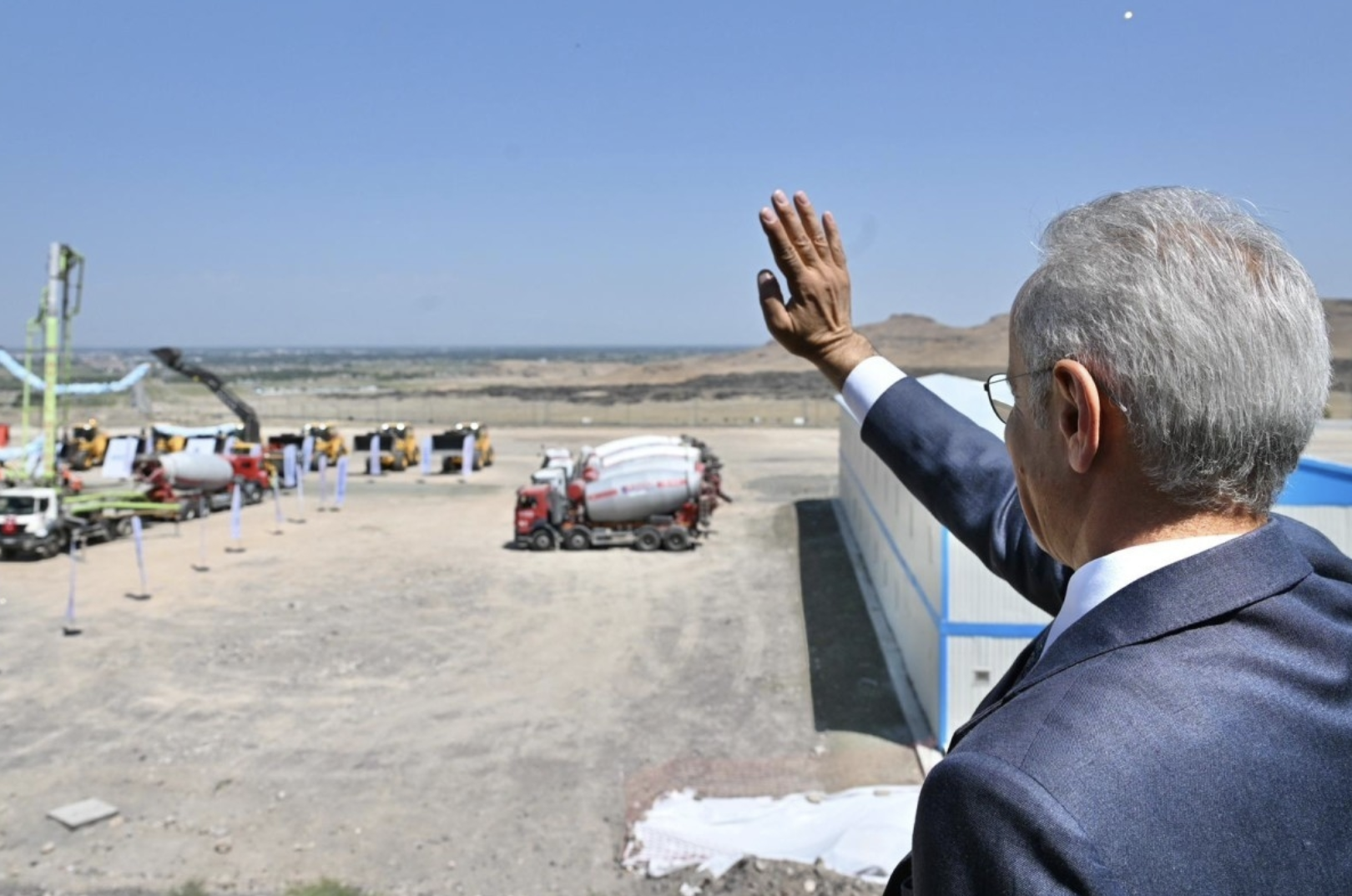 Abdulkadir Uraloglu
Turkey is moving swiftly to seize the economic opportunities emerging from US President Donald Trump’s peace initiative between Armenia and Azerbaijan. At the center of this push is a new 224-kilometer railway designed to connect the eastern Turkish hub of Kars with Dilucu, a crossing point leading to Azerbaijan’s Nakhchivan exclave.
On August 22, Turkish officials staged a groundbreaking ceremony for the line, presenting it as the largest and most ambitious segment of a broader transit corridor envisioned in Trump’s regional peace blueprint. According to early estimates, the route could handle 15 million metric tons of freight annually, along with 5.5 million passengers.
Erdogan: Rail Line to Boost Regional Cooperation
At the event, Turkey’s Transport and Infrastructure Minister Abdulkadir Uraloglu read a message from President Recep Tayyip Erdoğan, who framed the project as a milestone for South Caucasus stability:
“The possibilities opened up by the Trump plan will increase economic cooperation in the South Caucasus and accelerate the opening of borders and the normalization of diplomatic relations.”
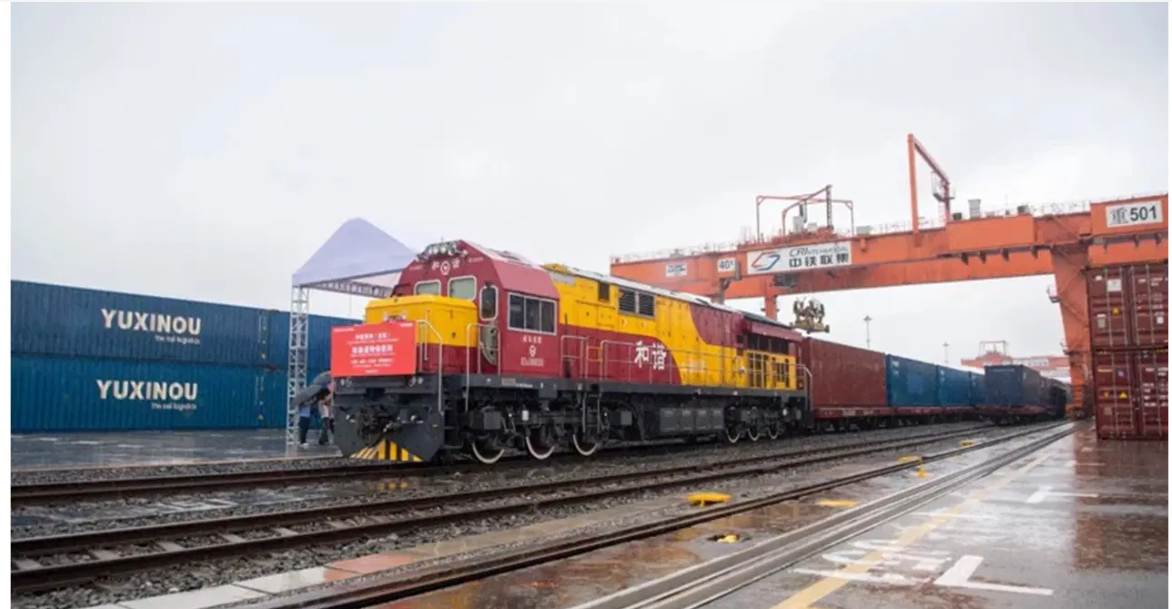
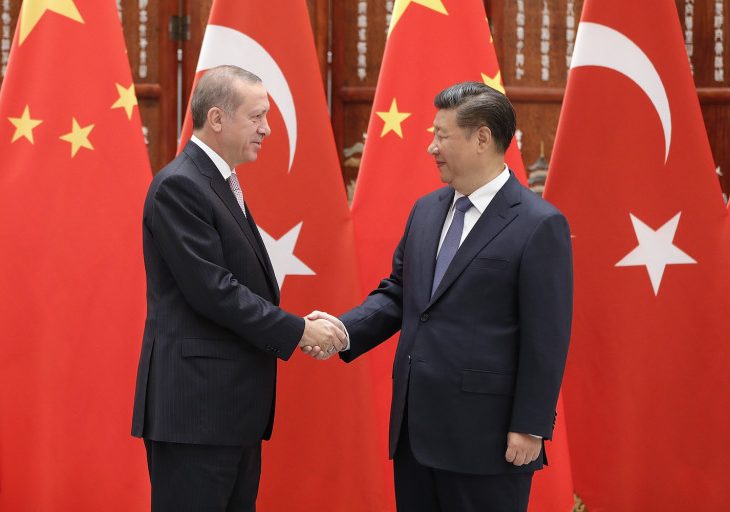
Uraloglu described the rail line as “an international bond of steel that will further strengthen the socio-economic relations between Asia and Europe, extending from China to Europe.”
The project’s strategic significance lies in its ability to tie into a larger vision: the Trump Route for International Peace and Prosperity (TRIPP). Once the Armenia–Azerbaijan peace process is finalized, the Kars–Dilucu line would connect with Nakhchivan’s existing railway and extend through Armenian territory to Azerbaijan proper. If realized, TRIPP could become a central artery of the Middle Corridor, the growing network linking East Asia with Europe.
Funding and Uncertainties
While the groundbreaking ceremony was portrayed as the beginning of construction, many details remain vague. Uraloglu suggested the line could take four to five years to complete, but observers inside Turkey question whether actual building has begun or if the event was mainly symbolic.
Tender processes were launched in late 2024 for consultancy work, yet according to Turkey’s state tendering and contract records, contracts have not been finalized. No official tender has been announced for construction itself.
The railway is included in Turkey’s 2022 investment program with a projected budget of $3.4 billion, of which $2.7 billion is expected to come from external credit. However, only $61 million has been allocated to date, including $50 million from external financing.
In late July, Ankara announced it had secured a €2.4 billion financing package backed by Japan’s MUFG Bank, Sweden’s EKN Export Credit Agency, Austria’s OeKB export credit agency, and the Islamic Development Bank. Yet, none of these institutions has independently confirmed the funding commitments, adding uncertainty about the project’s financial foundation.
The Question of Old Rail Lines
The new corridor also raises questions about the fate of existing rail connections. Before the Soviet Union’s collapse and the outbreak of the Nagorno-Karabakh conflict in the late 1980s, there were operational lines linking Kars to Yerevan and extending from the Armenian capital to Baku. Analysts believe much of the infrastructure still exists and would require only limited refurbishment.
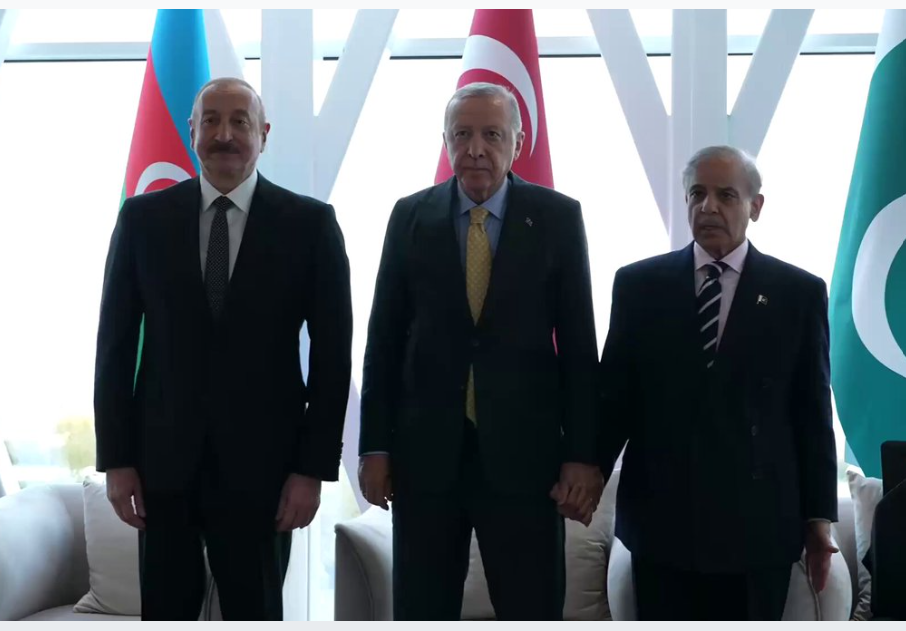
In fact, the Joint Declaration signed on August 8 by Azerbaijani President Ilham Aliyev, Armenian Prime Minister Nikol Pashinyan, and Donald Trump confirmed Azerbaijan’s recognition of Armenia’s right to reopen all transportation routes. Theoretically, this could revive the old lines. However, the declaration did not clarify whether these routes will be integrated into the Middle Corridor framework or sidelined in favor of TRIPP.
Competition With the Baku–Tbilisi–Kars Line
The proposed TRIPP corridor also casts a shadow over the Baku–Tbilisi–Kars (BTK) railway, a key Middle Corridor route completed in 2017. The BTK was expected to transform regional freight transport, with a capacity of 6.5 million metric tons per year, expandable to 17 million.
In practice, it has fallen short. By May 2023, the BTK had carried just 1.47 million tons of freight. Contributing factors include the deteriorated Georgian rail network and the challenges of operating through the rugged Georgian terrain.
The BTK was even closed for a full year until May 2024 for urgent repairs and upgrades. Despite this, Erdoğan emphasized its importance in an August 8 meeting with Georgian President Mikheil Kavelashvili, stressing the need to restore full capacity. Still, the Turkish leader did not outline a clear strategy to boost the line’s competitiveness.
Many experts predict that once TRIPP becomes operational, it could divert much of the Middle Corridor’s traffic away from BTK, reshaping the balance of regional transit infrastructure.
Regional Stakes
Turkey’s push for the Kars–Dilucu rail link underscores its determination to be a key transit hub connecting Asia and Europe. For Ankara, the railway is not just about freight or passengers—it represents a broader geopolitical bet on peace in the South Caucasus and the economic dividends that come with it.
Yet the project faces hurdles:
-
Uncertainty over construction timelines and financing.
-
Political risks, depending on the durability of the Armenia–Azerbaijan peace process.
-
Potential competition with older or existing routes such as BTK and Kars–Yerevan–Baku.
If successful, however, the Kars–Dilucu project could accelerate the opening of borders, normalize diplomatic relations, and position Turkey at the heart of Eurasia’s new transport corridors.