Trump–Sharaa Summit: Breakthrough on SDF Integration and Sanctions Relief Signals New Phase in Syria–US Relations
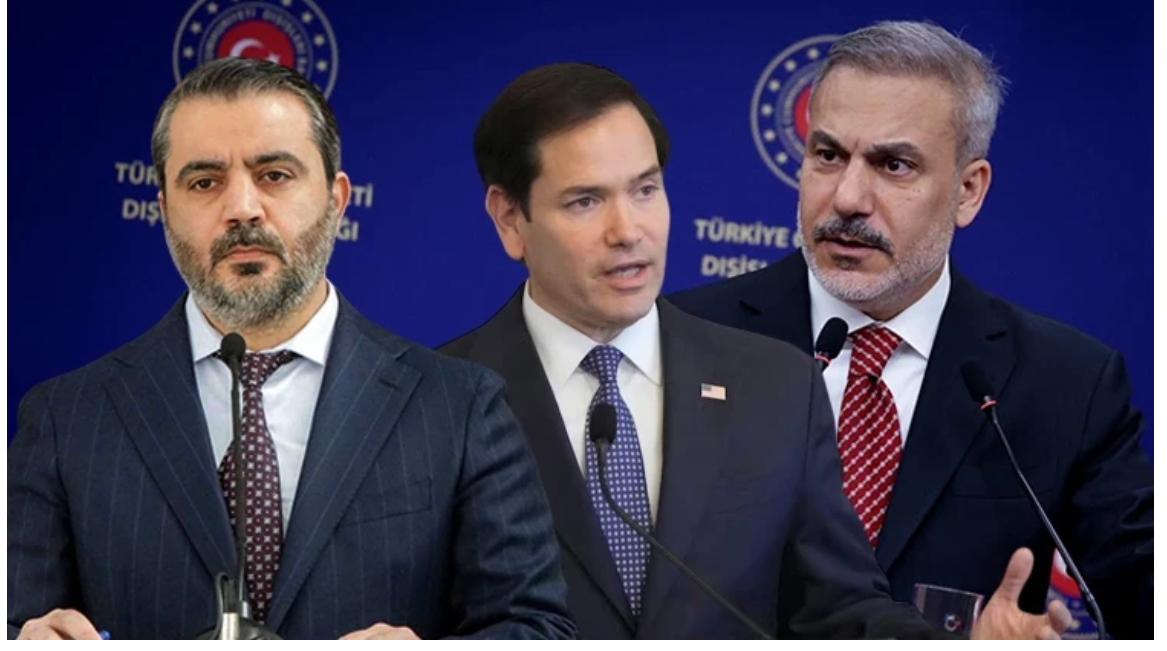 fidand rubio al sabani
In a historic White House meeting, U.S. President Donald Trump and Syrian President Ahmed al-Sharaa agreed on a sweeping framework that includes partial U.S. sanctions relief, American backing for Syria’s reconstruction, and a plan to integrate the Kurdish-led Syrian Democratic Forces (SDF) into the Syrian military. The deal marks one of the most significant diplomatic shifts since the fall of the Assad regime, signaling Washington’s readiness to support Syria’s political and economic reintegration — contingent on security cooperation and regional stabilization.
White House Meeting Marks Turning Point for Post-War Syria
Syria’s foreign ministry says Monday’s high-stakes meeting between President Ahmed al-Sharaa and U.S. President Donald Trump produced a breakthrough on three crucial issues:
sanctions relief, economic reconstruction, and the integration of the Syrian Democratic Forces (SDF) into the state military structure.
In a statement released after the talks, the ministry described a “friendly and constructive atmosphere,” highlighting Trump’s “admiration for the new Syrian leadership” and the pace of stabilization efforts since the end of Syria’s civil war.
“President Trump expressed Washington’s readiness to provide the support Syria needs to ensure the success of reconstruction and development,” the statement read.
The meeting marks the first-ever visit by a Syrian head of state to the White House — an unimaginable scenario just a year ago, when al-Sharaa seized power in a lightning offensive that ended five decades of Baathist rule.
U.S. Suspends Part of Caesar Sanctions for 180 Days
Following the meeting, the U.S. Treasury Department announced a partial six-month suspension of the Caesar Act sanctions — a major concession from Washington and a tangible political victory for the new Syrian leadership.
The Caesar Act, implemented in 2019, effectively severed Damascus from the global financial system and blocked reconstruction investments. Trump’s decision to ease sanctions represents a dramatic reversal of long-standing U.S. policy toward Syria.
Under the temporary suspension, U.S. businesses and foreign investors will be permitted to explore commercial activity related to infrastructure, energy, and telecommunications — a precondition for any meaningful reconstruction effort.
Agreement on SDF Integration Into Syrian Military Structure
According to the Syrian foreign ministry, both governments agreed to formally proceed with implementing the March 10 Sharaa–Abdi Agreement, signed between President al-Sharaa and SDF Commander-in-Chief Mazloum Abdi.
The plan would bring the U.S.-backed Kurdish-led forces under the authority of Damascus:
“within the framework of unifying institutions and strengthening national security,”
said the Syrian foreign ministry.
The SDF submitted a list of senior commanders for integration to the U.S.-led coalition in late October. Mazloum Abdi publicly endorsed the integration process during the SDF’s anniversary celebrations:
“The SDF will play a major role in the new Syrian army and strengthen it.”
Despite the agreement, SDF fighters and Syrian state forces have clashed repeatedly in recent months — a reflection of tensions over al-Sharaa’s centralization push and longstanding Kurdish demands for political autonomy in northeast Syria (Rojava).
Regional Security: U.S. Pushes for Syrian-Israeli Security Arrangement
The foreign ministry’s statement revealed another detail:
the U.S. administration is supporting efforts to negotiate a security arrangement between Syria and Israel.
No specifics were disclosed, but U.S. officials have privately stated that stabilizing Syria’s southern border is a prerequisite for broader regional de-escalation.
The Syrian statement suggests this initiative has Washington’s backing:
“The U.S. side affirmed its support for reaching a security agreement with Israel aimed at enhancing regional stability.”
Turkey Included in Follow-Up Working Group
Immediately after the Oval Office meeting, Trump instructed the formation of a multinational working group to oversee implementation.
Participants include:
-
Asaad al-Shaibani — Syrian Foreign Minister
-
Marco Rubio — U.S. Secretary of State
-
Hakan Fidan — Turkish Foreign Minister
Their mandate:
to build mechanisms that turn the Trump–Sharaa commitments into binding policy.
Turkey’s participation is notable, given Ankara’s longstanding opposition to Kurdish autonomy and military structures near its borders. However, Turkey has recently shifted toward supporting reconstruction and de-escalation efforts — particularly as Trump pushes for a multinational Gaza stabilization force where Turkey may take a lead role.
Economic Opening Signals End of Syria’s Isolation
Trump’s remarks — praising Syria’s leadership and signaling support for foreign investment — point toward a strategy to transform Syria from a battleground into an emerging investment frontier.
For Syria, decades of sanctions and war left the economy isolated. Foreign direct investment has collapsed, infrastructure is in ruins, and national institutions are fractured. The U.S.-Syrian announcement signals:
-
the first coordinated U.S. commitment to reconstruction since 2011,
-
Washington’s acceptance of al-Sharaa’s legitimacy,
-
the beginning of Syria’s re-entry into the global economy.
For investors and regional governments, the message is clear: post-war Syria is opening for business.
What Comes Next
Despite the historic nature of the deal, multiple uncertainties remain:
-
The partial Caesar Act suspension expires in 180 days.
-
Kurdish and minority groups oppose full centralization under Damascus.
-
Israel has not yet endorsed U.S.-Syrian security arrangements.
-
Congress may challenge the sanctions relief.
Yet the summit signals a reality that would have been unimaginable just months ago:
Washington is now negotiating Syria’s future not against Damascus, but with it.
Related articles

Turkish politics review by Gonul Tol
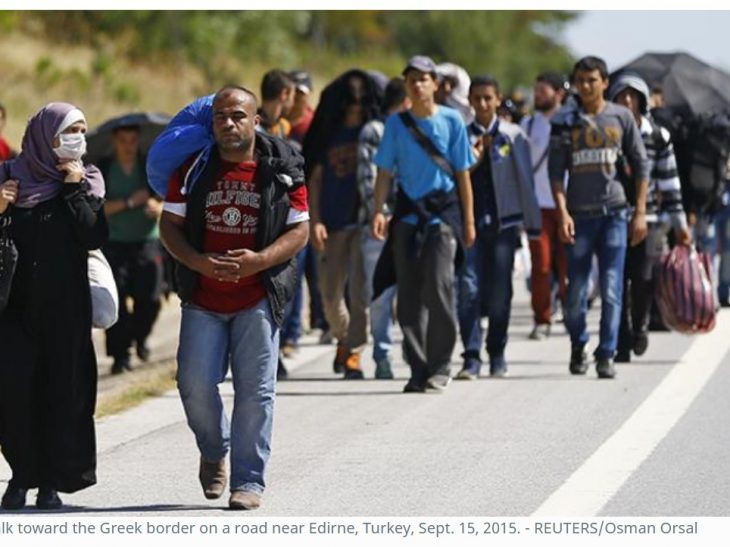
Survey shows negative attitudes among Turks towards Syrians on the rise
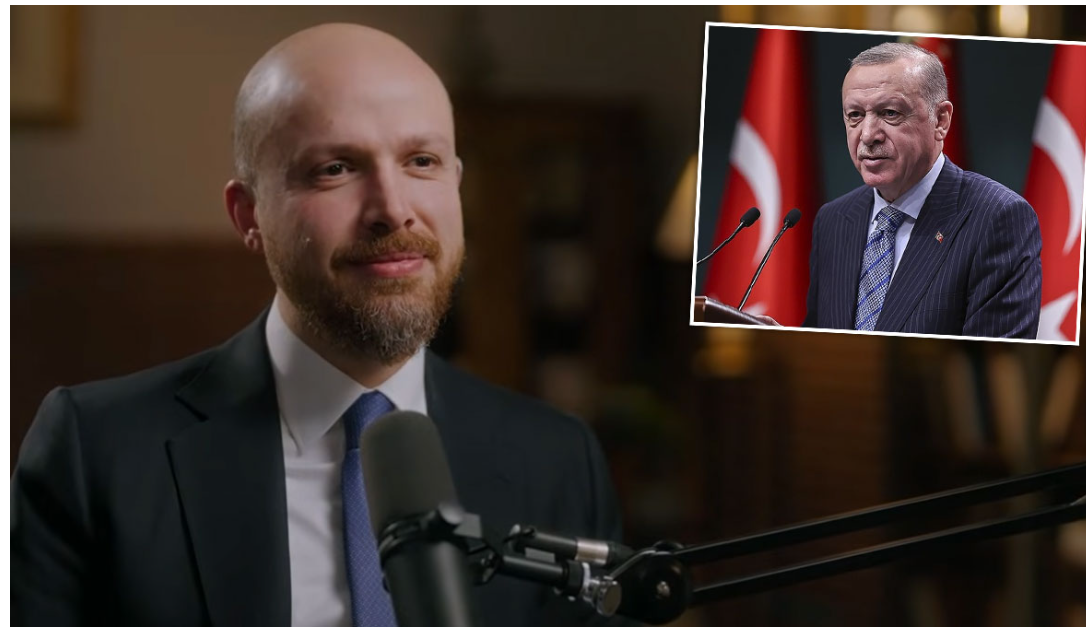
Bilal Erdoğan Speaks on His Father’s Political Legacy, Fuels Succession Speculation