



TRT Under Fire as Mansur Yavaş Accuses Broadcaster
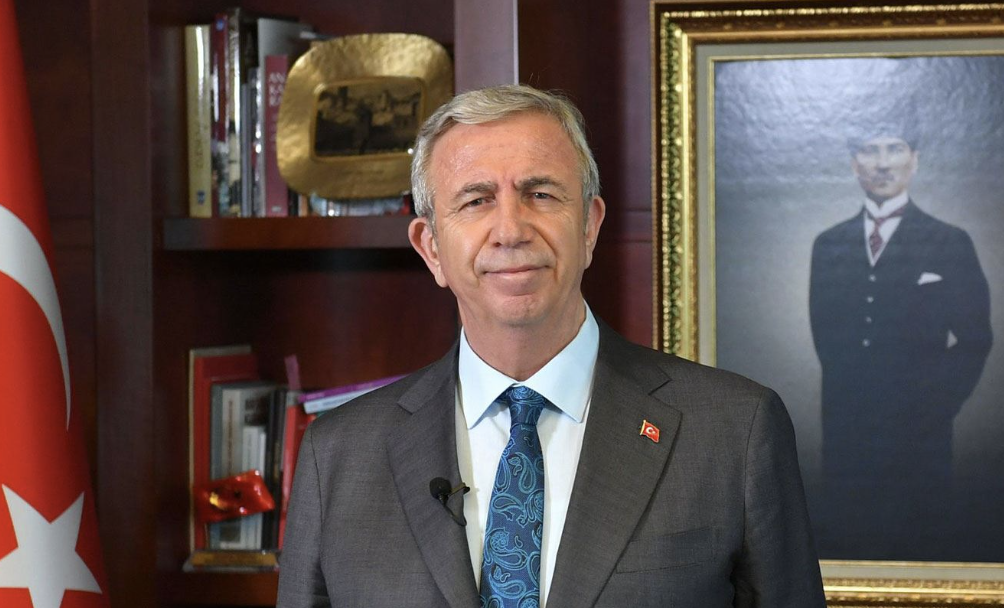 mansur yavas
Ankara Metropolitan Municipality (ABB) Mayor Mansur Yavaş has publicly challenged TRT Haber, accusing the state broadcaster of misrepresenting remarks made by Ankara Water and Sewerage Administration (ASKİ) General Manager Memduh Akçay. The dispute unfolded after TRT framed Akçay’s technical explanation about water-pressure regulation as a warning that the capital could face renewed water shortages—an interpretation Yavaş describes as “manipulative,” “panic-inducing,” and inconsistent with journalistic standards.
According to Yavaş, the statement at the center of the controversy—Akçay’s note that “Zaman zaman, özellikle az su tüketilen saatlerde suyu kontrollü şekilde vereceğiz”—is being falsely portrayed as evidence that Ankara will endure fresh water outages. Yavaş argues the wording refers strictly to routine pressure-management practices, a method widely used by modern utilities to stabilize network performance and conserve supplies. He insists that the broadcaster’s interpretation not only distorts the original meaning but also misleads residents about the city’s water security.
Mayor Claims Public Panic Increased Water Consumption
In a detailed statement shared on social media, Yavaş accused TRT Haber of publishing a report that created unnecessary public anxiety. He stated that the sensational framing prompted residents to increase water usage “beyond typical consumption levels,” a reaction he considers both avoidable and harmful during a period in which reservoirs already require careful management.
Labeling the coverage “manipülatif”, Yavaş said the broadcaster’s presentation of events lacked professional rigor. He urged TRT to correct the article and re-publish Akçay’s remarks in full context so the public can understand the technical implications accurately.
He also called on Anadolu Agency (AA) to circulate the original, unedited version of the ASKİ General Manager’s explanation, asserting that transparent communication is essential to prevent misinformation from escalating.
Yavaş Announces Legal Action Under Media and Disinformation Regulations
The ABB Mayor stressed that the municipality intends to pursue formal remedies. In his public message, Yavaş declared that the administration will initiate legal proceedings against TRT Haber, citing responsibilities outlined in both RTÜK regulations and the Dezenformasyonla Mücadele Kanunu (Anti-Disinformation Law).
He emphasized that misinformation coming from a publicly funded broadcaster carries broader consequences because citizens expect accurate reporting from state institutions. According to Yavaş, the situation warrants scrutiny not only due to reputational concerns but also because inaccurate reporting directly shapes public behavior—particularly in sensitive policy areas like water management.
ASKİ Clarifies That Pressure Management Is Not a Water Cut
ASKİ officials previously explained that the system adjustments referenced by Akçay are part of the city’s standard water-network optimization practices. These adjustments are especially common during hours of low demand, helping to reduce stress on the system while ensuring long-term supply stability. The method does not equate to water cuts, and officials insist that such practices are widespread globally as cities work to modernize infrastructure.
The administration reiterated that Ankara is not entering a period of scheduled outages, despite lower reservoir levels prompting increased attention to resource efficiency. For ASKİ, the goal remains sustaining “su arz güvenliği”—continued supply reliability despite environmental fluctuations.
Broader Context: Water Management Under the Spotlight
The controversy arrives at a moment when baraj (reservoir) capacities and sustainable water usage are among Ankara’s most discussed public-policy topics. Dry seasons and fluctuating precipitation levels regularly fuel commentary about the city’s long-term resilience. Within this environment, officials stress that accurate public information is essential for strategic water conservation.
Experts note that pressure-management systems help reduce leaks, prolong infrastructure life, and balance neighborhood-level delivery. While these implementations may sound unfamiliar to residents, many global utilities depend on similar technologies to maintain operational efficiency.
Related articles

Latest polls: AKP candidates doing poorly in Ankara, Istanbul

Financial Times: Turkish opposition mayors outshine Erdogan with kindness campaigns
OPINION: Erdogan wants to redesign politics with Akin Gurlek
