Tehran faces possible water evacuation as Iran warns of “alarming” shortages amid economic freefall
 pezeskiyan iran
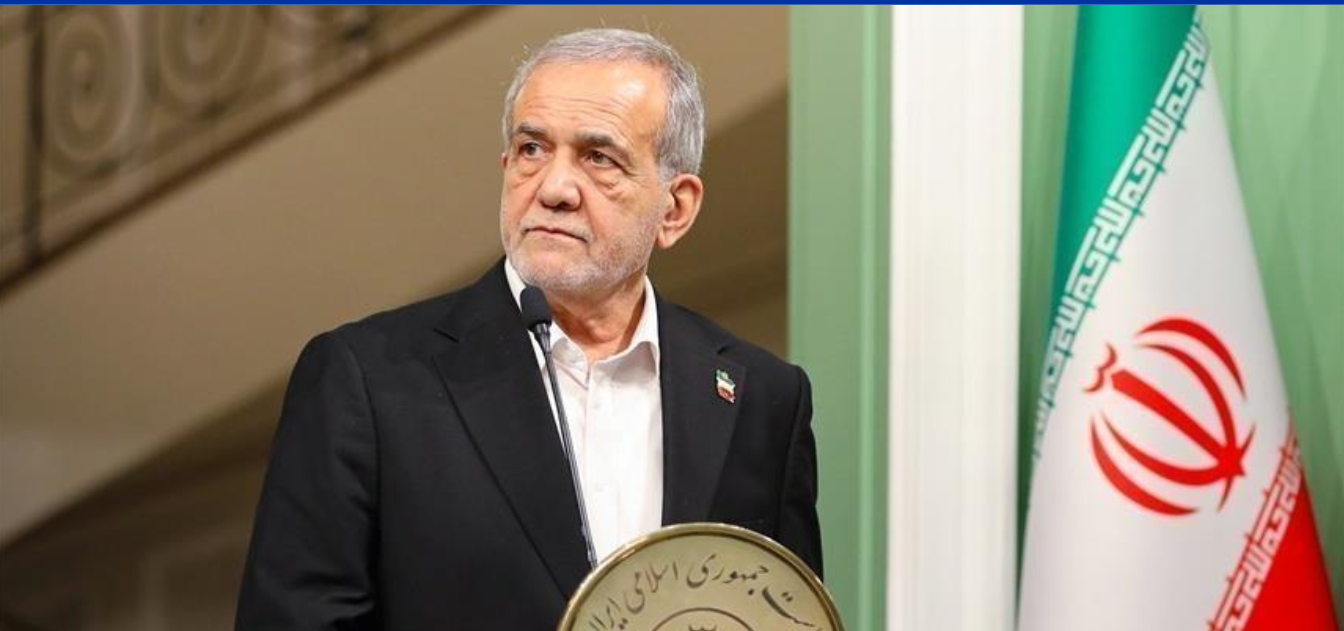
Iranian President Masoud Pezeshkian warned that Tehran may face mandatory water restrictions — and potentially evacuation — if rainfall does not arrive soon. Speaking during a regional visit, Pezeshkian admitted that the government is confronting simultaneous economic, environmental and social crises, including inflation, sanctions, drought, and critical water shortages. Meanwhile, analysts say Iran is entering a deeper economic meltdown as UN sanctions snap back, inflation surges toward hyperinflation, and public unrest grows.
President: “If it doesn’t rain, we will have to restrict water — and possibly evacuate Tehran”
Iran’s newly elected president issued one of the country’s starkest climate-related warnings in years, saying Tehran — a city of nearly 14 million — may face mass water restrictions and evacuation if the drought intensifies.
“If it doesn’t rain, we will have to start restricting water supplies in Tehran next month.
If the drought continues, we will run out of water and be forced to evacuate the city,”
Pezeshkian said during a visit to Sanandaj.
Pezeshkian described the situation as “alarming,” urging urgent conservation and better management of energy and water resources.
Dams at lowest level in a century
Tehran’s water network relies on five major dams — Lar, Mamlu, Amir Kabir, Taleqan and Latyan. Yet rainfall levels in Tehran are currently 40% below seasonal norms, according to Iran’s meteorological agency.
The Tehran Water Authority warned on July 20 that dam levels have fallen to their lowest point in 100 years.
Behzad Parsa, head of the Authority, said reservoir reserves could supply the capital for only two more weeks if dry conditions persist.
Residents are already seeing rotating water cuts.
Pezeshkian has previously warned that without aggressive measures, the government may become unable to supply water to households.
Government admits inflation and policy failures
In unusually candid comments, Pezeshkian acknowledged the government’s role in driving inflation and high prices:
“High prices and inflation are the fault of both the parliament and the government.”
He said limited state resources are delaying infrastructure projects and undermining crisis management.
The president’s remarks contrast with previous administrations that attributed inflation solely to Western sanctions.
ECONOMIC COLLAPSE: Inflation, sanctions, and structural failure
Iran is not only battling a water crisis — it is also spiraling toward a deeper economic collapse.
With UN sanctions reinstated on September 28 after nuclear negotiations fell apart, analysts warn that Iran may be entering a period of simultaneous recession and hyperinflation.
The rial now trades at 1.1 million per US dollar, compared to 920,000 in August.
Inflation is estimated between 40–50%, and could accelerate further as sanctions cut foreign currency inflows.
The World Bank expects Iran’s economy to contract 1.7% in 2025 and 2.8% in 2026.
Oil — still the backbone of the economy — is at risk:
-
China remains Iran’s largest oil buyer
-
But sanctions could force Beijing to scale back purchases or demand deeper discounts
Each $1 drop in oil prices removes $500 million from Iran’s annual revenue base.
Economic analyst Umud Shokri said sanctions will deepen Iran’s “structural and financial vulnerabilities.”
Resistance economy losing power
Iranian leadership says it will rely on a “resistance economy” model, strengthening ties with Russia, China and regional allies. Both Moscow and Beijing defend Iran’s right to nuclear energy on the diplomatic stage.
Yet these partnerships are limited:
-
Barter trade arrangements replace cash transactions
-
Sanctions on banks restrict liquidity
-
Oil revenues cannot be transferred freely
Analysts argue that while Iran may survive, it cannot develop under this structure — especially with a population of 92 million.
Rising public anger, falling purchasing power
Households are being squeezed by collapsing real incomes, soaring rents, and soaring costs for food and utilities.
“We are struggling to pay rent and school fees,”
said a civil servant in Tehran earning the equivalent of $300/month.
“We can’t afford meat anymore — not even once a month,”
said a factory worker from Shiraz.
Economic grievances sparked nationwide protests in 2017, 2019, and 2022. Officials now privately concede that new unrest is inevitable.
Energy insecurities worsen instability
Beyond water shortages, Iran risks entering an energy shock if oil exports decline:
-
Oil accounts for roughly 25% of GDP
-
Sanctions are disrupting shipping and insurance channels
-
If China reduces imports, Iran could face a currency spiral
The government’s ability to pay salaries or import essential goods could collapse — triggering wider instability.
Diplomatic isolation deepens
Tehran has fewer political options:
-
UN sanctions are back
-
Nuclear talks have collapsed
-
Israel has increased strikes against Iranian nuclear and military facilities
-
The U.S. rejects Iran’s demand for sanctions relief without concessions
Trump’s administration argues renewed sanctions will pressure Iran into a broader agreement covering missiles and regional activities.
Tehran rejects this, accusing the U.S., Western allies and Israel of “engineering unrest.”
Inside Iran, senior officials admit privately that protests are likely.
A convergence of crises: water, economy, politics
Iran’s leadership appears increasingly trapped between:
-
Drought and environmental degradation
-
Hyperinflation and currency collapse
-
Sanctions and diplomatic isolation
-
Rising social unrest
As water reservoirs dry up and inflation rises, Pezeshkian faces a crisis that spans environment, economy and governance.
His warning about Tehran’s possible evacuation underscores a deeper reality:
Iran’s structural crises are no longer theoretical — they are existential.
PA Turkey intends to inform Turkey watchers with diverse views and opinions. Articles in our website may not necessarily represent the view of our editorial board or count as endorsement.
Follow our English YouTube channel @ REAL TURKEY:
https://www.youtube.com/channel/UCKpFJB4GFiNkhmpVZQ_d9Rg
Twitter: @AtillaEng
Facebook: Real Turkey Channel
https://www.facebook.com/realturkeychannel/