Syria Emerges as Key Pillar in Turkey’s Middle East Strategy
 tr-syria
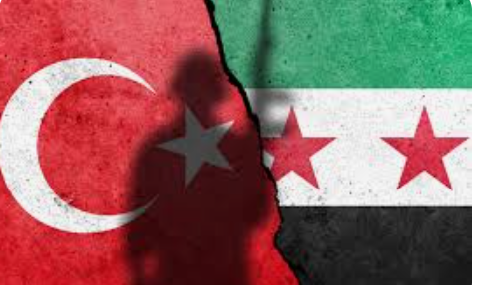
Ankara is deepening its footprint in Syria through diplomacy, security operations, and reconstruction projects, aligning with Gulf partners and the United States to shape a “new order” in the region.
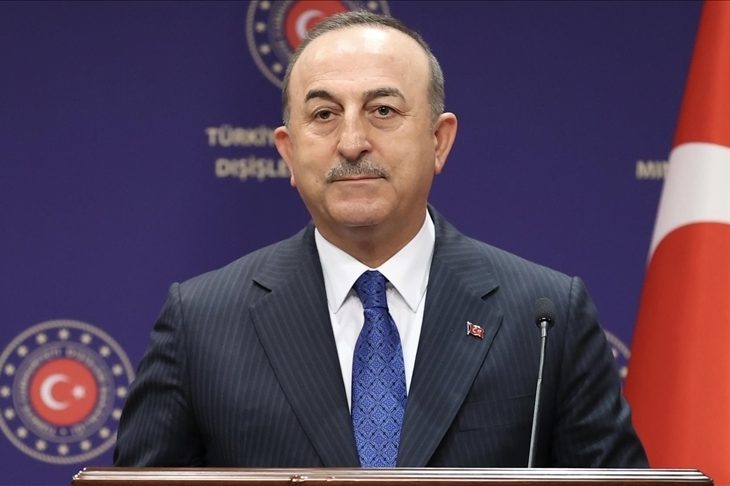
Turkey’s Syria policy is entering a new phase, with Foreign Minister Hakan Fidan making an unannounced visit to Damascus to discuss Kurdish affairs and counter-terrorism cooperation with President Ahmad al-Saraa’s government. Official statements said the talks focused on Turkey’s security concerns in northeastern Syria, joint action against terrorism, and safeguarding Syria’s territorial integrity.
The renewed engagement comes amid fresh clashes between Kurdish forces and Syrian government troops in the north, reigniting tensions in one of the region’s most sensitive fault lines.
Kurds Face August Deadline
At the heart of the current tension is a deal—brokered months ago—for Syria’s Kurds to integrate into state institutions and military structures. Turkey and the United States have set August 21 as the deadline for completing this process.
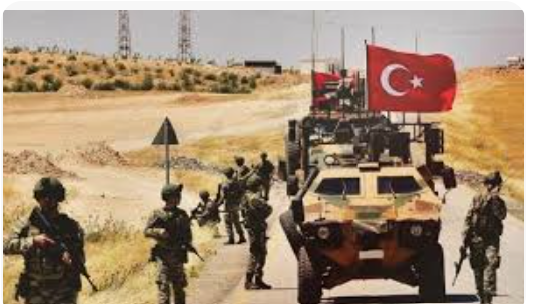
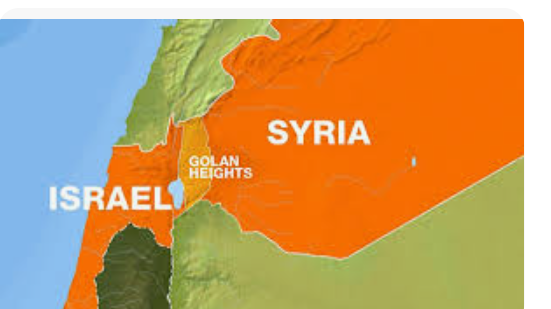
In the meantime, fighting has flared around Aleppo, Manbij, and border zones controlled by the Syrian Democratic Forces (SDF), in which Kurdish fighters are a dominant force. A senior Turkish Defence Ministry official accused the SDF of escalating attacks against Syrian government troops, warning that such actions threaten Syria’s unity. The official also linked the unrest to Druze–Bedouin clashes in southern Syria, which Ankara blames on Israeli interference.
High-Level Talks in Damascus
Fidan’s Damascus trip reflects Turkey’s push to blend military pressure with diplomatic outreach. Beyond Kurdish issues, the agenda included Syrian–Israeli tensions, bilateral relations, and post-war reconstruction plans.
Ankara’s influence has grown as it works closely with al-Saraa’s government, positioning itself as both a security partner and a reconstruction driver.
Billions Flowing into Reconstruction
Syria’s rebuilding effort is gathering pace, backed by the US, Turkey, and Gulf monarchies.
-
The UAE has signed a $2 billion metro project in Damascus.
-
Qatar’s UCC Holdings will invest $4 billion to rebuild Damascus International Airport.
Just this week, Damascus signed $14 billion in infrastructure contracts—most awarded to Qatari, Turkish, and American companies.
Energy Cooperation Adds Depth to Ties
In a symbolic step toward normalisation, Turkey began supplying Aleppo with Azerbaijani natural gas through its pipeline network. Energy Minister Alparslan Bayraktar said exports could reach 2 bcm annually, marking a major shift in bilateral economic ties.
Syria’s Role in Trump’s Middle East Vision
The US sees a stable Syria as central to its wider Middle East reset. With Iran’s influence curtailed by Israeli military action, Washington views the unresolved Gaza and West Bank conflict as the last major roadblock to a regional settlement.
President Donald Trump has urged all regional states, including Syria, to join the Abraham Accords and normalise ties with Israel, presenting it as a pathway to enduring peace.
IMPORTANT DISCLOSURE: PA Turkey intends to inform Turkey watchers with diverse views and opinions. Articles in our website may not necessarily represent the view of our editorial board or count as endorsement.
Follow our English language YouTube videos @ REAL TURKEY: https://www.youtube.com/channel/UCKpFJB4GFiNkhmpVZQ_d9Rg
And content at Twitter: @AtillaEng
Facebook: Real Turkey Channel: https://www.facebook.com/realturkeychannel/