Şimşek Sets His Sights on Manipulative Hedge Funds as Turkey Tightens Market Oversight
 hedge fonu
Summary:
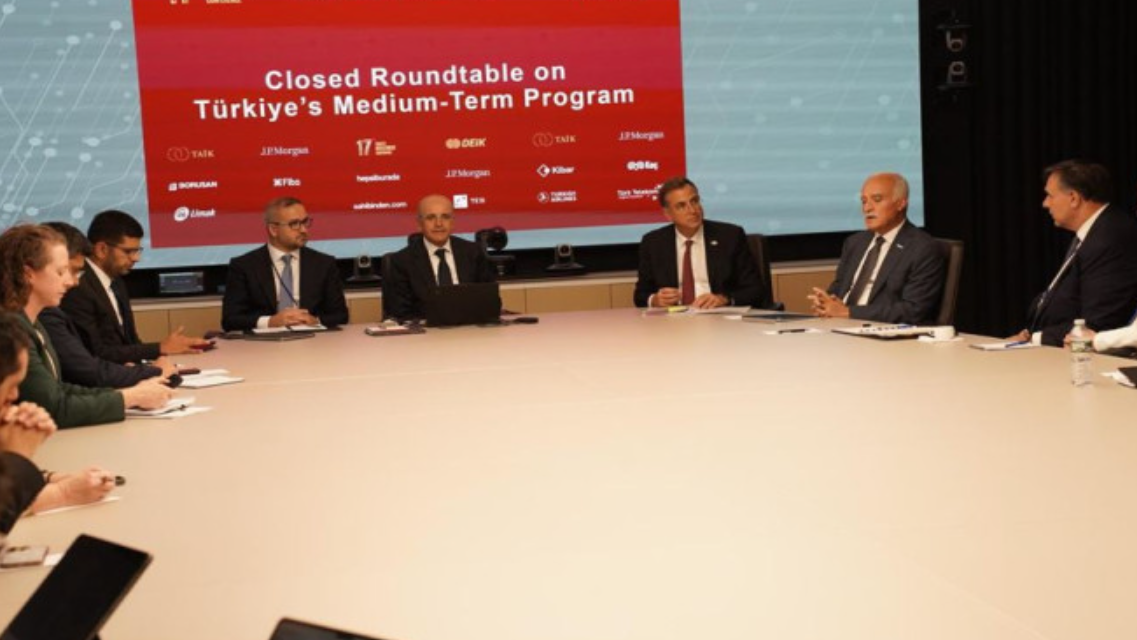
Turkey’s Financial Stability Committee (FSC), chaired by Finance Minister Mehmet Şimşek, convened this week to assess macro-financial risks and chart new policy steps aimed at safeguarding market integrity. The meeting focused heavily on regulatory gaps in investment funds and irregular practices in payment systems—areas increasingly tied to market manipulation allegations. Şimşek, who recently issued his strongest warnings yet against manipulative hedge funds, signaled that Ankara is preparing sweeping measures to restore confidence in capital markets.
FSC Reviews Risks in Investment Funds and Payment Systems
The FSC examined global and domestic macroeconomic conditions alongside emerging risks in Turkey’s financial architecture.
Two areas dominated the agenda:
-
Rapidly expanding hedge funds and money market funds,
-
Purpose-distorting practices in POS and other payment systems.
Committee members evaluated potential macroprudential measures to contain volatility, strengthen discipline in fund management, and curb loopholes allowing financial instruments to be used outside their regulatory purpose.
The FSC emphasized that financial stability remains a “central pillar” of Turkey’s economic strategy and pledged coordinated action among all relevant institutions.
Background: Şimşek’s Ultimatum to Hedge Funds
“We Know What’s Going On”
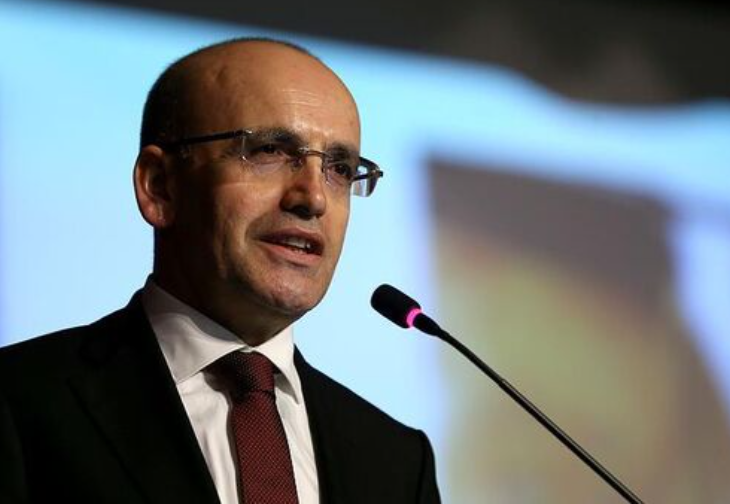
Finance Minister Mehmet Şimşek delivered an unusually sharp warning on November 4 at a Turkish Capital Markets Association meeting in Istanbul, saying:
“We are aware that certain funds are manipulating the stock market. We will intensify our fight against these practices.”
According to reporting by journalist Murat Yetkin, Şimşek briefly paused 2026 budget negotiations to deliver this message in person—indicating its political weight.
Şimşek underscored that regulatory gaps in fund management would be closed, adding that the forthcoming crackdown would go “beyond the fight against the informal economy.”
SPK Chairman İbrahim Ömer Gönül followed, announcing:
-
heavier monetary penalties,
-
and license cancellations for portfolio management companies and executives involved in manipulation.
Immediate Enforcement Actions Followed
The same day, Borsa Istanbul imposed trading bans on four companies.
Investigations expanded rapidly and soon included entities seized by the TMSF, such as Hat Holding and Investco Holding, with allegations covering:
-
stock manipulation harming retail investors,
-
suspicious money flows,
-
and potential money laundering.
Can Holding and Ciner Holding were also named in similar probes.
Market insiders describe the scheme bluntly:
“Old-school stock rigging is now taking place under the umbrella of hedge funds.”
Some say:
“Former boardroom manipulators (‘tahtacılar’) now operate via licensed funds.”
How the Manipulation Allegedly Works
According to sources cited in the Turkish financial press:
-
Funds accumulate shares in small-cap IPOs, where prices are easier to influence.
-
They trigger a rally to draw in retail investors.
-
At peak valuations, funds exit rapidly, inflicting heavy losses on small investors.
-
In some cases, company insiders allegedly coordinate with funds for illicit profit sharing.
Despite the huge valuations of several such funds and their affiliated companies, Borsa Istanbul’s total market capitalization has barely grown between 2024 and 2025—a discrepancy that has raised red flags in Ankara.
Regulatory Failures and FATF Concerns
Journalist Cengiz Erdinç notes that the crackdown began earlier in the year with seizures of PayFix/BankPozitif amid investigations into up to $20 billion in suspected illicit flows.
The deeper structural issue, however, is regulatory oversight.
Turkey narrowly exited the FATF Grey List under Şimşek’s stewardship.
Former MASAK Vice President Ramazan Başak warns that Turkey’s earlier grey-listing stemmed primarily from:
-
SPK’s weak supervision,
-
insufficient enforcement against market manipulation.
With a new FATF assessment ongoing (24–28 November), Şimşek is determined to avoid a relapse into the Grey List—an outcome that would significantly damage Turkey’s standing with foreign investors.
Political Backdrop: Erdoğan Signs Off on the Crackdown
According to Ankara insiders, President Recep Tayyip Erdoğan now supports broad enforcement actions.
Motivations include:
-
removing politically burdensome business groups,
-
reassuring European investors amid renewed EU outreach,
-
and avoiding a costly market destabilization like the $50 billion intervention required after the March 19 “İmamoğlu operation” sell-off.
The sweep is expected to widen across:
-
market participants,
-
fund managers,
-
company insiders,
-
and potentially segments of the bureaucracy.
How far it will go remains to be seen.
PA Turkey intends to inform Turkey watchers with diverse views and opinions. Articles in our website may not necessarily represent the view of our editorial board or count as endorsement.
Follow our English language YouTube videos @ REAL TURKEY and social media channels for more analysis._**