Şimşek Maps 2027 as Breakthrough Year for Turkish Economy
 mehmet-simsek
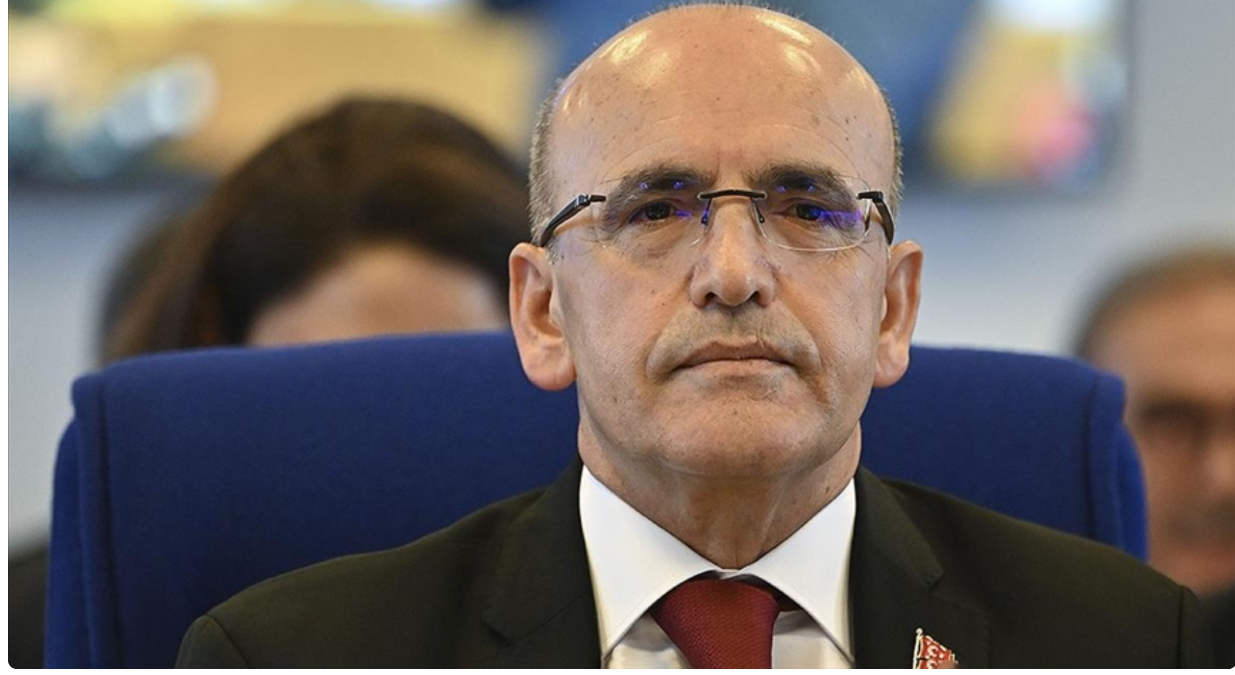
Türkiye’s economic policy framework is entering what officials describe as its most decisive phase, with 2027 emerging as a clear inflection point for inflation, fiscal balance, and household purchasing power. Speaking at the 5th Future of Finance Summit organized by Turkuvaz Media, Treasury and Finance Minister Mehmet Şimşek delivered a forward-looking assessment, stating that the country has reached the most critical stage of its economic program and that the disinflation process is expected to conclude successfully.
Şimşek emphasized that the coming period will be one in which macroeconomic improvements become more visible and tangible for citizens and the real sector. Rather than focusing solely on stabilization, the government’s objective is now to transform policy discipline into lasting price stability and structural normalization.
Third Phase Begins with Single-Digit Inflation Target
At the center of Şimşek’s remarks was the transition into what he defined as the third and most critical phase of the economic program, covering the 2026–2027 period. This phase is designed to lock in gains from tight monetary and fiscal policies while addressing structural drivers of inflation.
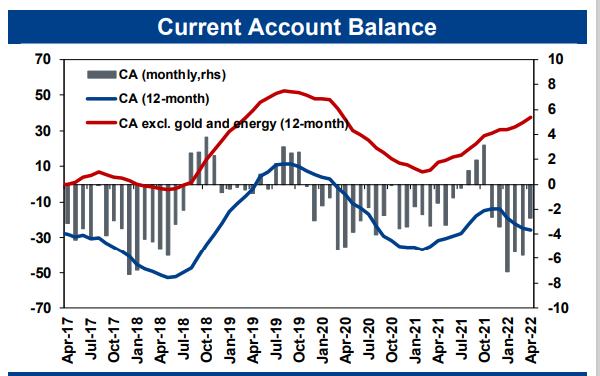
“This is a period that our citizens and the real sector will directly feel. We are talking about a phase in which inflation will fall to single digits. We are referring to a period extending into 2027. It will also be a period when the current account deficit is reduced to 1% or below. Therefore, the third phase is the most critical phase.”
This framework signals a decisive policy ambition: single-digit inflation, combined with a sharply lower current account deficit, as the foundation for sustainable growth. According to Şimşek, reaching these benchmarks would mark a clear departure from the volatility of recent years and help anchor expectations across markets.
Budget Discipline Strengthens the Program
Şimşek also highlighted meaningful progress on the fiscal front, noting that the budget deficit is expected to decline to around 3% this year, representing an improvement beyond initial forecasts. He explained that lower deficits would translate into reduced public borrowing, allowing more financial resources to flow toward the private sector.
This fiscal consolidation has taken place despite extraordinary spending pressures. Over the past three years, Türkiye has allocated approximately $90 billion to address the economic and social consequences of devastating earthquakes. Şimşek underlined that, even with this burden, fiscal discipline has been maintained and 2025 budget targets are expected to be met.
The reduction in borrowing needs is positioned as a key pillar of the disinflation strategy, reinforcing monetary tightening with credible and predictable fiscal policy.
Rent Inflation Seen as Main Pressure Point
One of the most persistent contributors to elevated inflation has been rent inflation, which Şimşek identified as the most critical factor keeping overall inflation above 30%. While temporary administrative measures were previously used to limit rent increases, the minister signaled a shift toward supply-driven solutions.
“The most important factor keeping inflation above 30% is rent inflation. For a long time, we had a 25% cap on rent increases. In the coming period, as housing supply increases, rent inflation will normalize. With the planned mobilization of 1.4 million housing units in the earthquake region, supply-side policies have become supportive of disinflation.”
The government’s plan to deliver 1.4 million new homes, particularly in areas affected by earthquakes, is expected to ease pressure in the rental market. By expanding supply rather than relying on price caps, authorities aim to achieve a more durable and market-consistent decline in housing-related inflation.
Education Fees to Be Brought Under Rule-Based Pricing
Beyond housing, education costs, especially at foundation universities, were highlighted as another source of inflationary pressure. Şimşek acknowledged unusually high tuition increases and announced a move toward rule-based pricing mechanisms in the education sector.
This approach is intended to introduce predictability and prevent excessive fee hikes, helping households better manage long-term expenses. According to the minister, the combined impact of normalization in rent and education costs is expected to place downward pressure on inflation in the coming period.
Global Energy and Commodity Trends Offer Support
Şimşek also pointed to the global environment as a potential tailwind. He noted that energy and commodity prices are expected to decline in 2026, a development that could significantly strengthen Türkiye’s ability to bring inflation within its target range.
Lower global input costs would reduce production expenses for businesses while easing pressure on consumer prices. In addition, declining energy prices could improve the trade balance, reinforcing the goal of a current account deficit of 1% or less.
A Defining Moment for the Economic Program
Taken together, Şimşek’s remarks depict an economic strategy approaching its defining moment. Tight monetary policy, improving fiscal discipline, expanded housing supply, rule-based pricing in education, and favorable global trends are expected to converge during the 2026–2027 period.