Shockwaves in Ankara: Concert Spending Probe Stirs AKP Concerns
 abb
abb
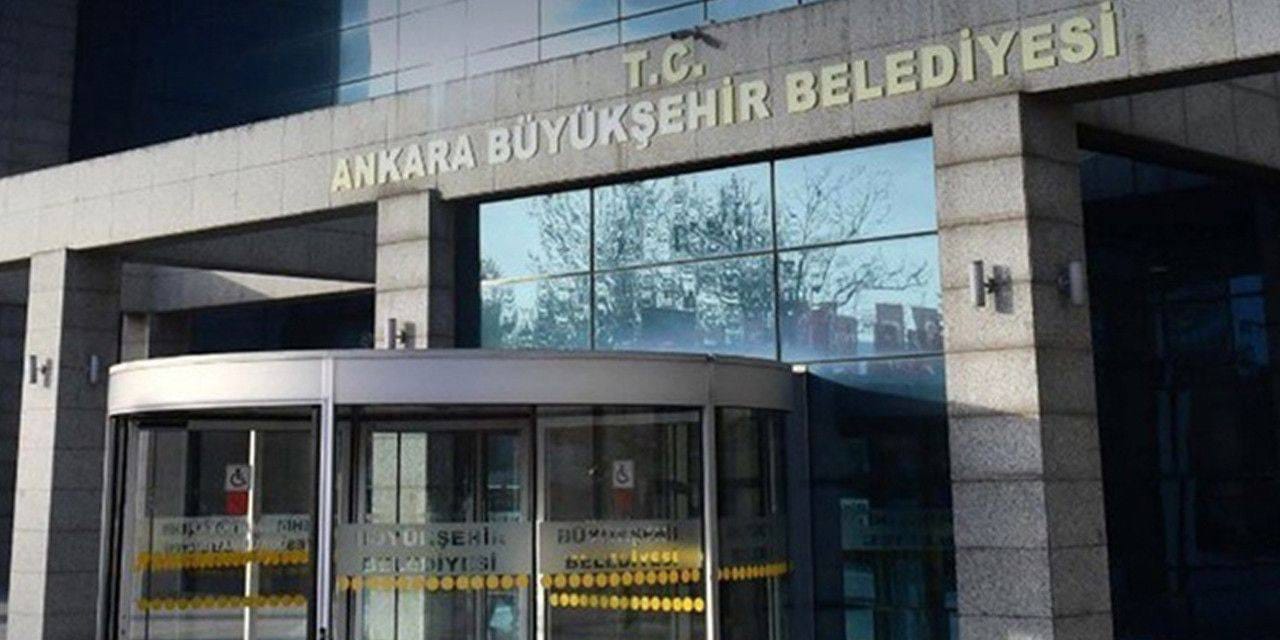
The investigation targeting Ankara Metropolitan Municipality (ABB) over so-called “concert spending” has ignited heated debates inside the ruling Justice and Development Party (AKP). What began as a legal process has quickly transformed into a wider political storm, with party insiders warning that the operation could backfire and hand the opposition an unexpected advantage.
Party officials, speaking in private, voiced concerns that the public might interpret the probe not as an effort to combat corruption but as a political maneuver against rivals. As one senior AKP figure admitted, “If citizens come to believe that the government is not truly fighting corruption but is instead trying to corner the opposition, this will hurt us at the ballot box.”
Why Timing Matters
The timing of the investigation has raised eyebrows. Coming on the heels of local elections, the probe is seen by many urban voters as a sign of political pressure rather than a neutral audit. Analysts suggest that intensified scrutiny of opposition-run municipalities may feed the perception of “revenge politics,” a narrative that could erode the ruling party’s credibility, especially among undecided voters.
According to sources, some strategists argue that convincing the public about corruption allegations is difficult, particularly in metropolitan areas where citizens are more skeptical. This skepticism, if unchecked, could undermine AKP’s broader narrative of transparency and accountability.
Selective Justice Debate
Perhaps the most damaging criticism arises from accusations of “selective justice.” Several AKP insiders acknowledge that while probes aggressively target municipalities run by the opposition Republican People’s Party (CHP), similar irregularities in AKP-led administrations often draw little reaction.
One senior figure bluntly put it: “When similar cases emerge in our own municipalities, silence prevails. This picture doesn’t convince voters; instead, it damages trust.” Such candid assessments reveal the depth of unease within party ranks, where the risk of being perceived as biased or opportunistic weighs heavily.
Two Competing Strategies Inside AKP
The debate inside the ruling party is split into two camps:
-
Hardline Camp – Advocates argue that these operations should be portrayed as proof of AKP’s unwavering commitment to fighting corruption. They insist on emphasizing the message that “no one is above the law.” For this group, turning the narrative into one of justice without exceptions could limit electoral damage.
-
Cautious Camp – Others stress that overexposure to such probes risks alienating younger and urban voters. This wing of the party fears that the public may interpret constant investigations as a form of harassment rather than accountability, undermining trust in democratic institutions.
The Public’s Perception
Public opinion appears to be moving in a delicate direction. Urban voters, especially in large cities like Ankara and Istanbul, tend to evaluate such actions through a political lens. If operations appear one-sided, the result may be a surge of sympathy toward the opposition.
Political analysts note that younger generations—already less loyal to traditional party structures—are more likely to reject what they see as unfair treatment. The concern is that this demographic shift could accelerate AKP’s decline in metropolitan areas.
Risks of Political Overreach
Some strategists openly warn that “being too visible” in judicial operations will harm the party more than it helps. They believe that, instead of strengthening AKP’s position, excessive focus on high-profile probes risks deepening the impression of a government weaponizing institutions against rivals.
As one party member emphasized, “When every move of the municipalities is scrutinized right after elections, it looks less like justice and more like political pressure.” This acknowledgment underlines the party’s internal dilemma: how to balance legal action with public perception.
The Road Ahead
For now, the concert spending case remains the centerpiece of political debate in Ankara. While prosecutors press forward, AKP leadership faces the urgent task of shaping a narrative that resonates with voters. Whether framed as genuine accountability or dismissed as political targeting, the outcome of this debate could shape the next election cycle.
The stakes are high. If the perception of “selective justice” continues to grow, it risks undermining one of the government’s strongest claims—its stance against corruption. Instead of consolidating power, the strategy could lead to further erosion of trust among precisely the voters AKP needs most: the urban middle class and the younger electorate.