Severe Drought Threatens Turkish Agriculture, Sparks Food Price Fears
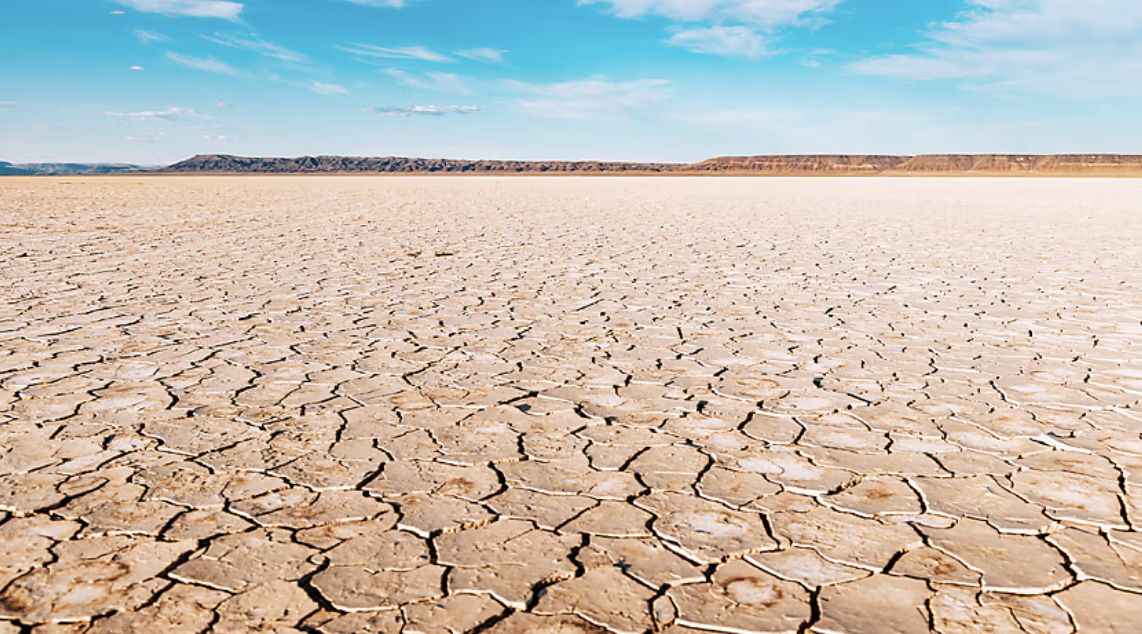 Drought in Turkey
Türkiye is grappling with severe drought that has sharply reduced rainfall by 71% compared to last year, threatening crop yields across the country and raising concerns over a potential surge in food prices in the coming months.
Following April’s agricultural frost, regions including Central Anatolia, the Aegean, and Southeastern Anatolia are now facing prolonged high temperatures and insufficient rainfall, putting pressure on wheat, barley, lentils, sunflower, and winter vegetable production.
Record Dry July in Marmara
The Marmara region experienced its driest July in 65 years, with Istanbul seeing rainfall on only one day during the month. The Turkish State Meteorological Service reports that the decline in precipitation has been worsened by warmer-than-normal winters and low spring rainfall.
Grain Output Slumps
The U.S. Department of Agriculture (USDA) has cut Türkiye’s wheat production forecast from 19 million tonnes to 16.25 million tonnes, with similar downward revisions for barley and rice.
Sunflower Harvest at Risk
In Edirne, a major sunflower hub, Trakya Birlik Chairman Şafak Kırb warns that 90% of the region may suffer yield losses, with lower oil content in seeds due to heat stress.
Winter Vegetables Under Threat
Izmir, Türkiye’s leading producer of winter vegetables, is seeing water levels in reservoirs fall dangerously low, jeopardizing crops like broccoli, artichokes, and spinach.
Citrus Farmers Face Irrigation Crisis
In Adana, water levels in the Kozan Dam have dropped to critical levels, leaving citrus orchards at risk of drying out. Farmers say they have only been able to irrigate once instead of the usual four times. Agricultural Engineer Barış Kurtaran warns that Kozan’s citrus yield, already down to 100,000 tonnes due to frost, could fall further without urgent intervention.
Authorities Launch Emergency Response
TMO General Manager Ahmet Güldal confirmed yield losses, stating: “We are taking the necessary measures to meet the country’s needs.” The Ministry of Agriculture and Forestry has introduced an emergency action plan, including expanding modern irrigation systems, closing illegal water wells, and implementing a basin-based water management model to mitigate the crisis.
Related articles

U.N. climate report confirm drastic temperature rise in Turkey due to climate change
Konya’s water sources are scorched by drought
Satellite Images reveal severe drought in second largest lake in Turkey