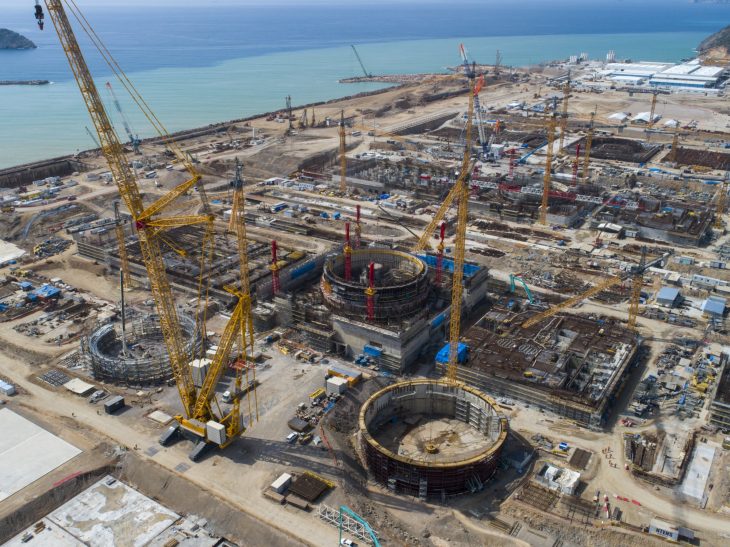
Russian Oil Imports to Turkey Decline as Trump Pressures Ankara to Cut Moscow’s Revenue
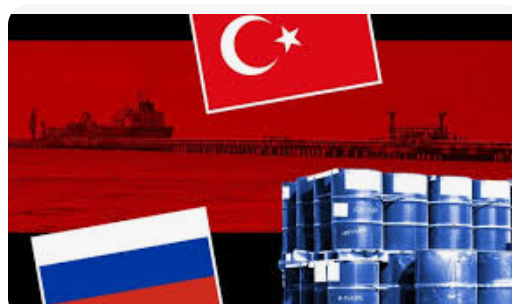 tr-oil imports from Russia
Turkey’s purchases of Russian crude oil have dropped to their lowest levels in months, as U.S. President Donald Trump steps up pressure on Ankara to end its energy trade with Moscow — a vital source of revenue for Russia’s war effort in Ukraine.
Trump Pushes Ankara to Cut Russian Energy Ties
After two hours of talks at the White House on Thursday, Trump said he believed President Recep Tayyip Erdoğan would agree to halt imports of Russian oil. In return, Trump suggested Washington could consider lifting certain U.S. sanctions on Turkey.
“This is about stopping Putin’s war machine,” Trump told reporters, underscoring his administration’s push for NATO allies to cut off Russian oil and gas purchases.
The appeal comes amid growing U.S. frustration over Moscow’s refusal to halt its military campaign in Ukraine. Energy sales remain Russia’s most critical revenue stream, with discounted oil exports to Turkey, India, and China helping to cushion the impact of Western sanctions.
Turkey’s Role: Third-Largest Buyer After China, India
According to London Stock Exchange Group (LSEG) data, Turkey is the second-largest importer of Russian seaborne Urals crude after India.
In June, Turkish imports peaked at 1.6 million tons, the highest since May 2024. By September, volumes had slipped to around 1.2 million tons — the lowest since April. The decline reflects both competition from other oil grades and the growing weight of sanctions enforcement.
Turkey’s two largest refiners, Tupras and SOCAR-controlled STAR, remain the main buyers. Tupras purchased roughly 700,000 tons of Russian Urals crude in September, while STAR imported 500,000 tons — nearly half of what it had taken earlier in the summer.
Price Caps Complicate Purchases
Turkey has not formally joined Western sanctions on Russia but has abided by international laws and restrictions, including the G7 price cap on Russian crude.
When Urals crude traded above the $60 per barrel ceiling earlier this year, Tupras temporarily paused purchases. Buying resumed when prices dropped back below the cap in April.
In July, the European Union and the UK tightened restrictions, lowering the effective price cap to about $47.60 per barrel — roughly 15% below market prices. This makes compliance riskier for Turkey, as Western insurers and shipping companies are barred from handling cargoes sold above the cap.
Kremlin: “Turkey is Sovereign”
Moscow has downplayed Trump’s push. Kremlin spokesman Dmitry Peskov said on Friday that Turkey would decide for itself how to balance its trade relations.
“It is a sovereign state,” Peskov said. “If certain trade is advantageous to the Turkish side, then the Turkish side will continue to do so.”
The Cost of Discounts
Since the start of the war, Turkey has benefited significantly from Moscow’s need to offload crude and refined products. Analysts estimate Ankara has saved around $2 billion in 2023 alone thanks to Russian discounts.
Experts say Turkish refiners and traders were able to purchase crude and products like diesel and fuel oil at 20–30% below global market prices.
If Turkey were to cut Russian imports entirely, this cost advantage would disappear overnight — leaving Ankara with billions in additional annual import costs. That risk underscores the delicate balance Erdoğan faces between geopolitical pressure from Washington and economic realities at home.
What’s Next?
Trump has hinted that progress on defense cooperation — including Turkey’s request to rejoin the F-35 fighter jet program and expand its F-16 fleet — could be linked to Ankara reducing its reliance on Russian energy.
For Erdoğan, the decision is fraught: Turkey’s energy security still depends heavily on Russia, with Moscow supplying about two-thirds of its crude oil and over 40% of its natural gas in 2024. At the same time, new LNG deals with the U.S. and other suppliers are beginning to diversify Ankara’s portfolio.
With imports falling but not disappearing, Turkey appears to be testing how far it can adjust without losing the economic lifeline of discounted Russian energy.
Related articles

World Bank Warns Against Increasing Poverty due to Ukraine War
Yetkin Report: New EU sanctions on Russia are bad news for Turkish economy
Turkish press: U.S. Senate Proposes 500% Tariff on Countries Importing Russian Energy — Turkey Included