Rising Femicide Crisis in Turkey Sparks Urgent Questions in Parliament
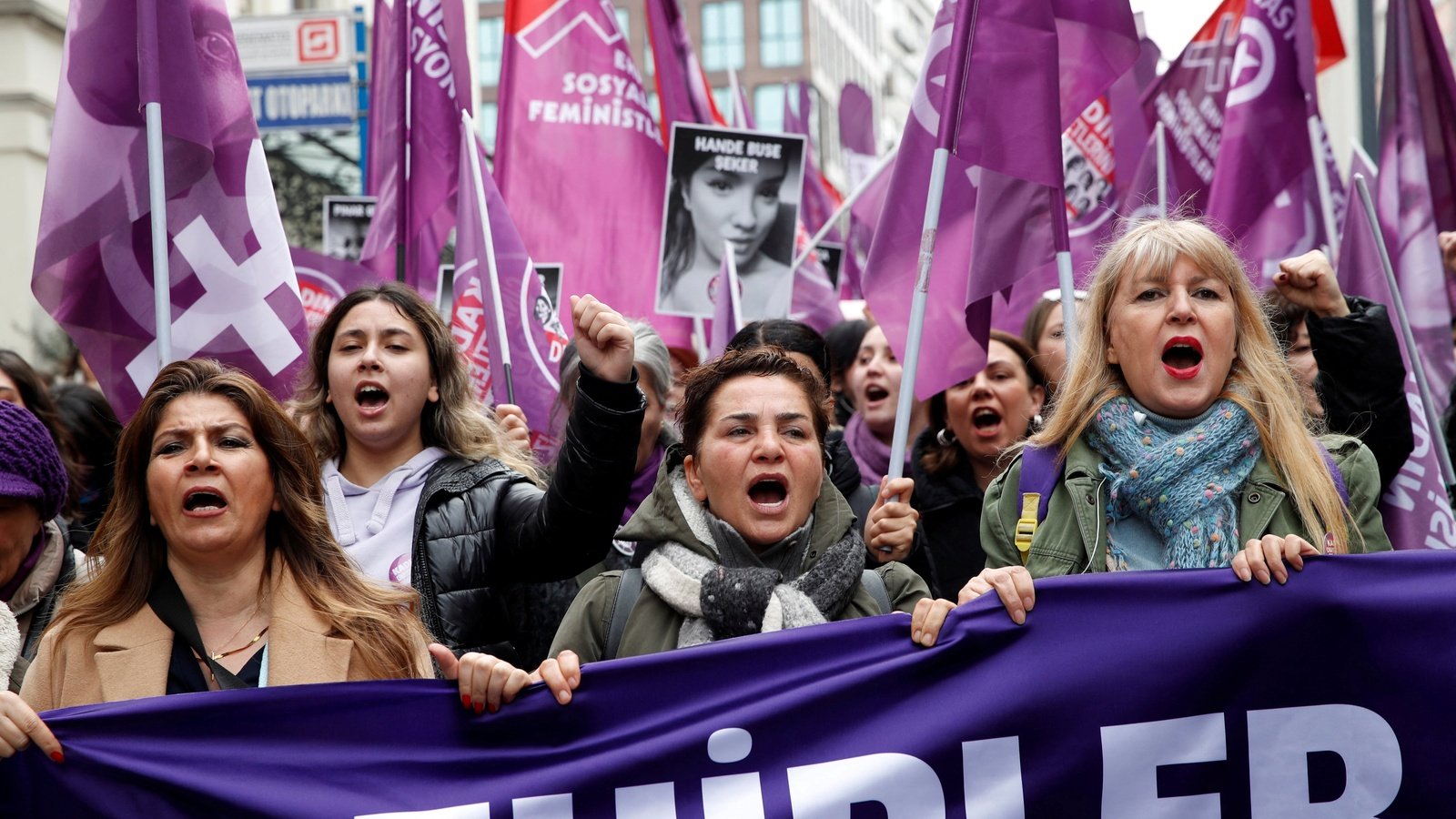 Femicides in Turkey
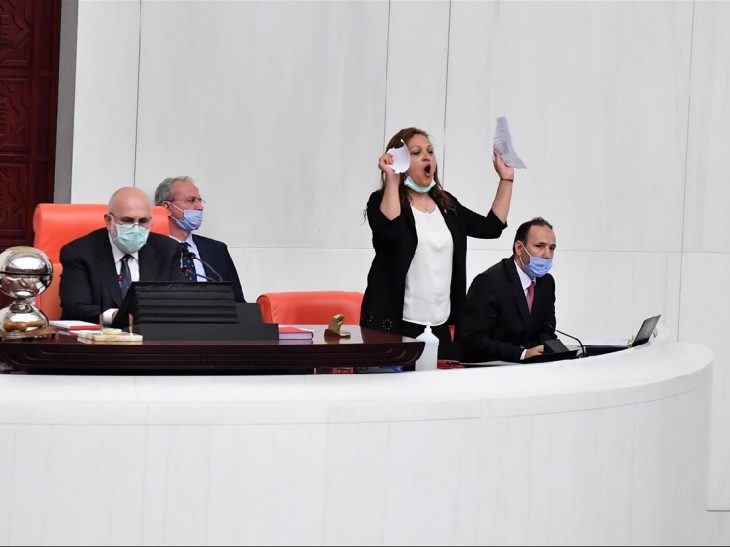
CHP Tekirdağ Deputy Cem Avşar has brought Türkiye’s growing epidemic of violence against women and femicides to Parliament, demanding answers from government ministries. In three written parliamentary questions addressed to Justice Minister Yılmaz Tunç, Family and Social Services Minister Mahinur Özdemir Göktaş, and Interior Minister Ali Yerlikaya, Avşar accused the government of failing to protect women despite declaring 2025 the “Family Year.” “A government that calls this the Family Year cannot even protect women within their own homes,” he said, stressing that preventive measures and deterrent penalties remain dangerously insufficient.
Grim Statistics Reveal Deepening Crisis
According to data from the We Will Stop Femicides Platform, at least 136 women were killed and 145 died under suspicious circumstances in the first half of 2025. In August alone, there were 29 femicides and 28 suspicious deaths. The report found that 72% of murdered women were killed by family members, and 59% lost their lives in their own homes—highlighting that domestic spaces often provide no safety at all.
“Femicides Are Systematic, Not Isolated”
“These figures prove that femicides are not isolated incidents but a systematic problem,” Avşar declared. He criticized the lack of Violence Prevention and Monitoring Centers (ŞÖNİM), the shortage of women’s shelters, and the weakness of social support mechanisms. According to Avşar, “Women are unprotected while perpetrators often escape with sentence reductions. In 18 of these cases, even the motive for the killings remains unclear.”
Legal Loopholes and Cultural Barriers Feed the Violence
Avşar pointed to judicial leniency, particularly through “good behavior” and “unjust provocation” discounts, as key factors that sustain the culture of impunity. He linked the surge in domestic violence to economic hardship, social norms, and gaps in legal enforcement, arguing that these interconnected issues make the fight against gender-based violence more complex and urgent.
Implementation Gaps Undermine Law No. 6284
Avşar also drew attention to persistent problems in applying Law No. 6284, which aims to prevent domestic violence and protect women at risk. “Preventing violence against women is the foundation for protecting health, safety, and the right to life,” he stated. He emphasized that Türkiye’s 2021 withdrawal from the Istanbul Convention weakened the country’s international commitment to combating violence against women and called for stronger legal safeguards and comprehensive support programs.
Economic Independence as a Lifeline
Beyond legal protections, Avşar highlighted the need for economic empowerment policies that help women gain independence from abusive environments. Without financial security, he warned, “many women remain trapped in cycles of violence.” Such reforms, he argued, would strengthen both individual resilience and social equality.
Questions That Demand Answers
In his official inquiries, Avşar posed several pointed questions to the ministries:
-
How many women were murdered despite requesting protection?
-
How many were killed even under active restraining orders?
-
How many perpetrators benefited from “good conduct” or “provocation” discounts?
-
What new legal or institutional reforms are planned to protect women’s lives?
A National Reckoning on Women’s Rights
Avşar’s initiative has resonated with activists who argue that Türkiye’s rising femicide rate reflects not only a judicial crisis but also a societal one. Women’s rights organizations warn that every unpunished murder signals impunity, undermining trust in justice. The deputy’s motion, echoing a growing wave of public outrage, underscores that femicides are not merely statistics—they are failures of policy, law, and conscience.