



Record Number of Millionaires in Turkey: Wealth Surges Despite Deepening Inequality
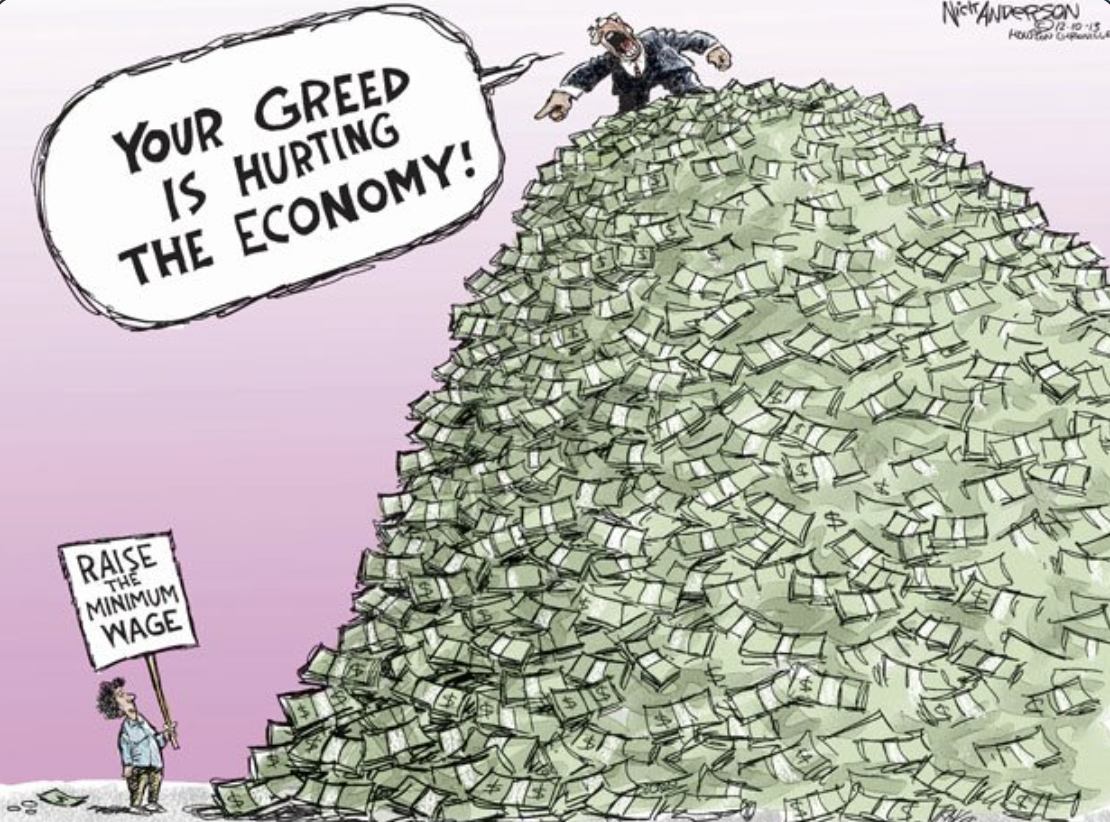 Labor Inequality by by Nick Anderson
Turkey has witnessed a historic surge in the number of millionaires, even as income inequality continues to widen. According to data from the Banking Regulation and Supervision Agency (BDDK), the count of individuals holding at least 1 million Turkish lira in bank deposits has reached unprecedented levels.
As of July 2025, the number of millionaires in Turkey climbed to 2,367,312, marking an increase of 775,629 compared to the same period last year. Just twelve months earlier, this figure stood at around 1.59 million.
The total wealth of these account holders also rose sharply, reaching 17.476 trillion lira, up from 15.6 trillion lira a year earlier. On average, each millionaire now holds 7.38 million lira in bank deposits.
Rising Inequality Reflected in Bank Accounts
Experts view the sharp rise in the millionaire population as one of the most concrete indicators of Turkey’s widening income inequality. While inflation and high living costs strain much of the population, the rapid accumulation of wealth among a small segment highlights the country’s deep economic disparities.
The financial system is increasingly polarized: a small but growing group is accumulating large deposits, while millions struggle to meet basic needs. Analysts suggest that this concentration of wealth underscores the gap between financial markets and real household incomes.
Growth Among Non-Resident Millionaires
BDDK data also reveals a striking trend: the number of non-resident millionaires—individuals living abroad but holding deposits in Turkish banks—has increased significantly.
By July 2025, their numbers had risen to 210,691, up 42,618 from the previous year. Their combined deposits totaled 1.3 trillion lira, with the vast majority held in foreign currencies rather than Turkish lira.
This suggests that overseas investors, as well as Turks living abroad, continue to use Turkey’s banking system as a platform to store wealth, particularly in hard currencies, despite volatility in the local financial environment.
Turkey’s Place in Global Wealth Rankings
The release of the Global Wealth Report has added context to Turkey’s domestic figures. The report highlights that Turkey has moved higher in international wealth rankings due to the dramatic rise in millionaire households.
This places the country in a complex position: on one hand, it demonstrates the growing concentration of private capital; on the other, it raises questions about economic sustainability, social balance, and the erosion of middle-class purchasing power.
The Forbes Billionaires from Turkey
Turkey’s presence in global wealth statistics was further underscored by Forbes’ September 1, 2025 billionaire list, which included four Turkish names.
-
Murat Ülker ranked highest among them, with a net worth of $5.4 billion, placing him 731st globally.
-
He was followed by Şaban Cemil Kazancı, İpek Kıraç, and Erman Ilıcak, who continue to represent Turkey in the ranks of global billionaires.
Meanwhile, on the global stage, the wealth of the world’s ten richest individuals soared to $2.13 trillion, driven largely by the performance of U.S. stock markets. This parallel trend underscores how global financial markets and elite capital gains remain the dominant drivers of wealth accumulation.
Wealth Concentration and Social Impact
The dramatic growth in millionaire and billionaire wealth has drawn sharp attention in Turkey, particularly against the backdrop of everyday struggles faced by ordinary citizens.
Economists argue that while the expansion of wealthy households may signal financial resilience for banks, it also raises red flags about systemic inequality. With inflation continuing to affect consumer prices and real wages stagnating, the rising wealth of a privileged minority underscores the divide between the financial elite and the broader population.
Furthermore, the fact that a large share of non-resident deposits is held in foreign currency reflects lingering concerns about the long-term stability of the Turkish lira. This dynamic may limit the benefits of increased deposits for the domestic economy.
Conclusion: A Double-Edged Record
Turkey’s record-breaking millionaire statistics highlight a paradox. On one side, the rise in wealth suggests growing financial power and increased deposits in the banking system. On the other, it starkly illustrates how wealth is increasingly concentrated among a limited group, while the majority struggles with high inflation and weakening purchasing power.
As global billionaires expand their fortunes through booming markets, Turkey’s own wealthy elite continues to grow, leaving policymakers and society to grapple with a difficult question: what does prosperity mean when it is so unevenly distributed?
