



Public Enterprises Plunge Into Deep Losses as Mismanagement Erodes Profits
 tcdd
tcdd
Türkiye’s state-owned enterprises have entered one of their most challenging financial periods in recent years, with misguided policies and merit-poor appointments cited as key factors behind their deteriorating performance. While public economic enterprises (KİTs) booked a 74.7 billion lira profit in 2023, they closed the most recent fiscal year with a staggering 56.7 billion lira loss, marking a dramatic reversal fueled by rising costs, shrinking revenue bases, and heavy reliance on budget transfers.
The Public Enterprises Report issued by the Ministry of Treasury and Finance reveals that structural inefficiencies have deepened amid a workforce contraction. KİT employment dropped from 100,516 employees in 2019 to 98,983 in 2024, signaling a long-term downward trend even as financial needs ballooned. Budget transfers to these enterprises illustrate the mounting strain: while KİTs received 294.1 billion lira in 2023, the amount surged to 489.5 billion lira last year—an increase of 66.5 percent.
BOTAŞ Tops the List With Record-Breaking Losses
According to the report, BOTAŞ emerged as the most financially distressed enterprise. After recording a 672.7 million lira loss in 2023, the company’s deficit skyrocketed to 44.9 billion lira in the past year—an extraordinary 6,583 percent increase.
The primary driver was the cost of imported natural gas, which climbed 29.1 percent year-on-year, pushing total expenditure to 735.9 billion lira. The scale of the deterioration underscores the vulnerability of Türkiye’s energy import model and the financial difficulty of balancing regulated consumer prices with soaring global energy costs.
TCDD’s Losses Climb Despite Massive Capital Transfers
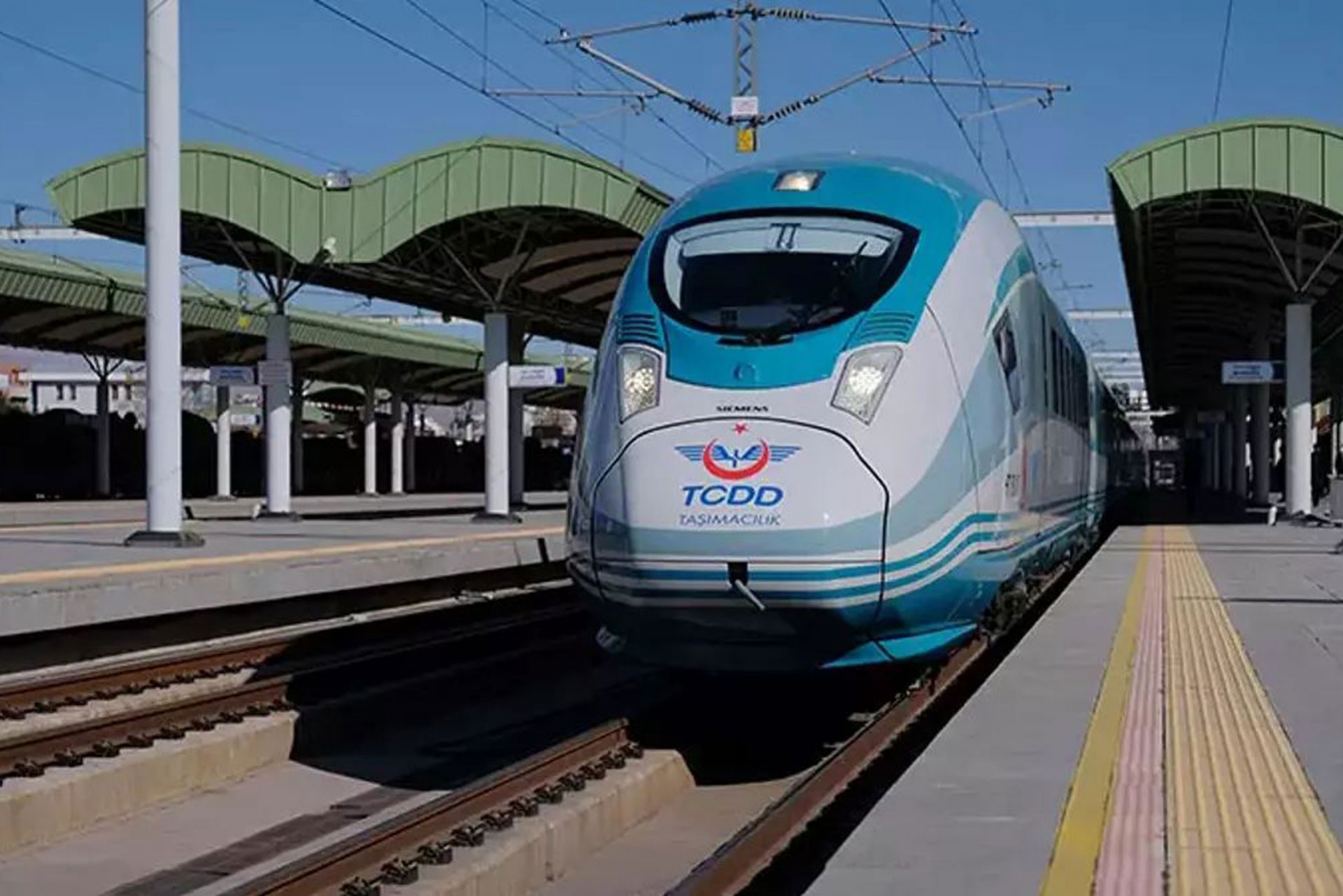
The Turkish State Railways (TCDD) ranked second among the biggest loss-makers, recording 36.6 billion lira in losses. Although the Ministry of Treasury and Finance injected 94.1 billion lira in capital support during 2024, the institution’s finances continued to worsen.
In 2023, TCDD posted operating losses of 10.4 billion lira and period losses of 11.5 billion lira. Last year, operating losses expanded to 27.6 billion lira, while period losses reached 36.6 billion lira. The report attributes 12.1 billion lira to inflation adjustments.
Subsidiary TCDD Taşımacılık AŞ also saw its deficit swell dramatically—from 2.8 billion lira in 2023 to 25.1 billion lira last year. Meanwhile, the government continued policies encouraging private-sector participation, leasing 21 locomotives and 400 wagons to private railway operators in 2024.
Energy and Utility Companies Move From Profit to Deficit
The financial downturn was not limited to transport and energy imports. Elektrik Üretim AŞ (EÜAŞ) transitioned from 13.7 billion lira profit in 2023 to 12.3 billion lira loss in 2024, reflecting market pressures and operational constraints.
Similarly, TEDAŞ, which posted 283.6 million lira profit in 2023, recorded 2.9 billion lira loss last year.
Mining and Agriculture Enterprises Also Hit Hard
The mining and agricultural sectors were not spared.
-
Türkiye Kömür İşletmeleri Kurumu (TKİ): shifted from 2.2 billion lira profit in 2023 to 6.4 billion lira loss in 2024.
-
Toprak Mahsulleri Ofisi (TMO): after earning 675.4 million lira in 2023, it closed last year with a 12.1 billion lira loss, signaling rising commodity intervention costs.
Sugar, Coal, and Rail Manufacturing Face Escalating Deficits
The financial deterioration was particularly striking in several industrial KİTs:
-
Türkiye Şeker Fabrikaları AŞ (TŞFAŞ) saw its losses balloon from 3.3 billion lira in 2023 to 11.6 billion lira in 2023, highlighting operational inefficiencies and rising production costs.
-
Türkiye Taşkömürü Kurumu (TTK), already under severe fiscal pressure, increased its losses from 1.9 billion lira in 2022 to 5.9 billion in 2023, then nearly doubled again to 12.6 billion lira last year.
-
TÜRASAŞ, which had reported 19.4 million lira profit in 2023, swung to a 261.5 million lira loss, signaling deeper challenges in Türkiye’s rail manufacturing ecosystem.
A Systemic Crisis for Public Enterprises
The scale and breadth of losses across sectors—from natural gas and electricity to rail, agriculture, and mining—point to a systemic governance problem. Declining profitability, surging expenses, and reliance on Treasury injections are raising fresh questions about structural reform, financial oversight, and the long-term sustainability of state-owned enterprises.
As public enterprises absorb larger portions of the national budget, experts warn that restoring financial discipline will require transparent governance, strategic management, and efficiency-oriented policy shifts to prevent further erosion of public resources.