PKK Announces Dissolution After 40 Years of Armed Struggle, Eyes Democratic Path Forward
 PKK
PKK
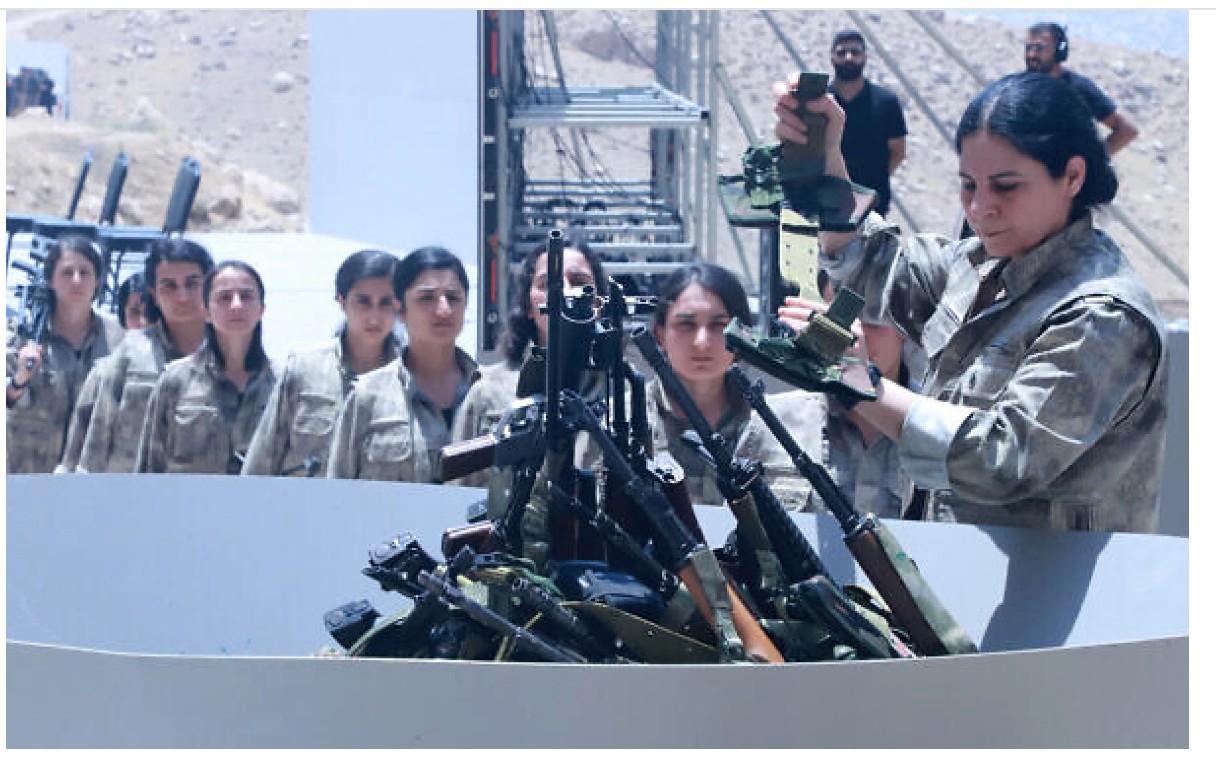
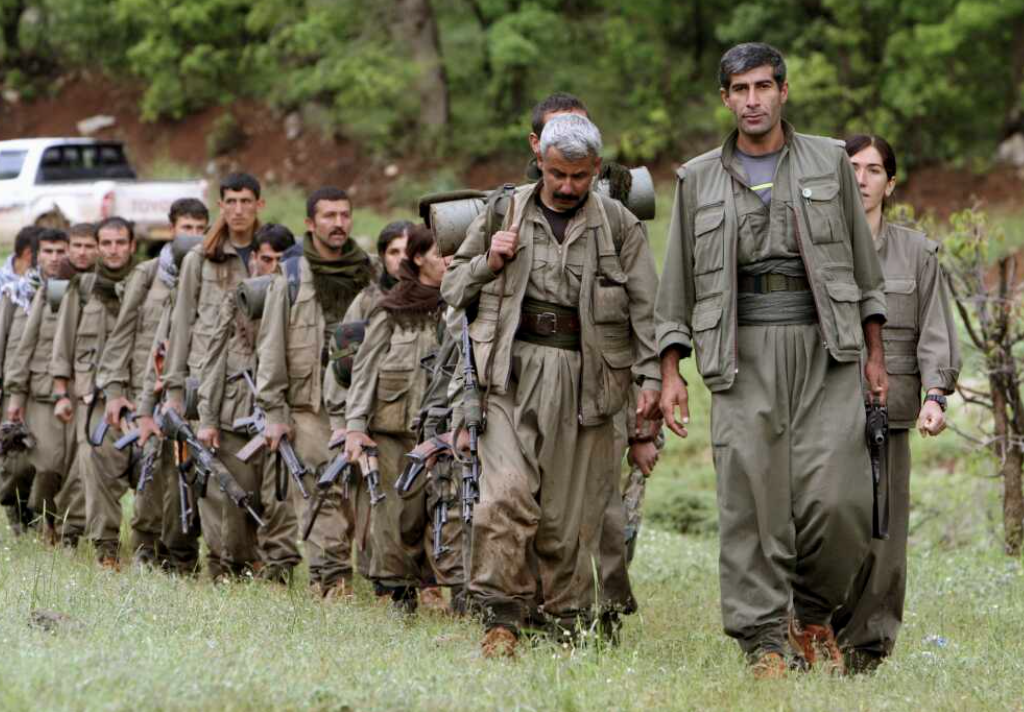
In a historic and potentially transformative move for Turkish-Kurdish relations, the Kurdistan Workers’ Party (PKK) has officially declared its dissolution, effectively ending over 40 years of armed insurgency against the Turkish state.
The announcement followed the PKK’s 12th Congress, held last week, and was confirmed in a statement on Monday declaring the end of its military strategy.
“The 12th PKK Congress has decided to dissolve the PKK’s organisational structure and end its method of armed struggle,” the statement read, signalling what may be the most pivotal moment in Kurdish political history in decades.
A Peace Initiative Rooted in Öcalan’s Legacy
In an exclusive interview with The New Arab, Zagros Hiwa, spokesperson for the Kurdistan Communities Union (KCK)—the PKK’s broader umbrella organisation—described the dissolution as part of a transition toward democratic and legal struggle, a path long advocated by PKK founder Abdullah Öcalan.
“We are talking about a process initiated by People’s Leader Abdullah Öcalan,” Hiwa stated. “He declared his readiness to manage this transformation—from armed resistance to democratic engagement.”
Öcalan’s peace message, first declared on 27 February, was swiftly ratified by PKK leadership and is now seen as the blueprint for the Kurdish movement’s next chapter.
Core Demands: Öcalan’s Release and Constitutional Reform
Hiwa emphasized that peace cannot move forward without significant action from the Turkish government:
“We expect democratic and legal reforms to be implemented,” he said, highlighting two core demands:
The release of Abdullah Öcalan, imprisoned on İmralı Island since 1999.
Constitutional recognition of Kurds as equal citizens within the Turkish Republic.
“Above all, Öcalan must regain his physical freedom and be allowed to work under free, secure, and healthy conditions,” Hiwa added.
What Comes After the PKK?
Asked whether a new political organisation would replace the PKK, Hiwa said it is too early to define the next phase of the Kurdish struggle.
“The PKK’s 50-year struggle has paved the way for future political paths. This is just the beginning of a new chapter,” he said.
Regarding the status of PKK forces in northern Iraq’s “Media Defense Zones,” Hiwa noted that no withdrawal or disarmament agreement had been reached with Ankara:
“There are no concrete, written or verbal agreements with the Turkish state at this point. These issues will be addressed as the peace process progresses,” he explained.
Turkish Military Continues Operations Despite Ceasefire
Hiwa also criticized Ankara’s military stance, accusing the Turkish Armed Forces of escalating operations despite the PKK’s unilateral ceasefire declared on 1 March.
“Since Öcalan’s call for peace on 27 February, Turkish attacks have intensified in both northern and southern Kurdistan,” he said.
Despite the PKK’s declaration, military tensions remain high, underscoring the fragility of the peace process and the urgent need for mutual confidence-building steps.