



Pegasus Shocks European Aviation With Major Acquisition
 pegasus
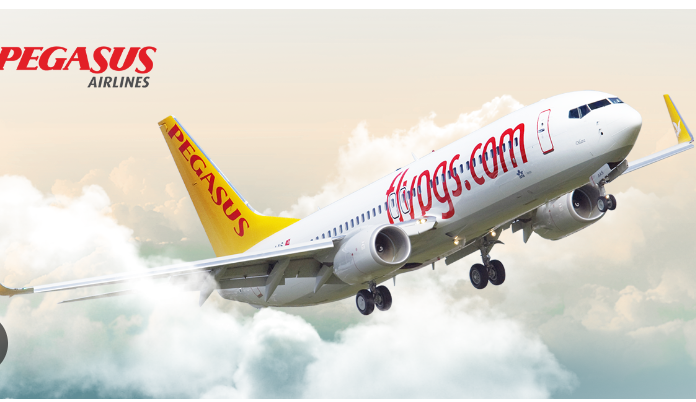
Pegasus Airlines has taken a historic step that may reshape the competitive landscape of European aviation. Turkey’s largest low-cost carrier announced that it has signed a binding agreement to purchase 100% of Czech Airlines (ČSA) and its parent company Smartwings Group, marking one of the most ambitious cross-border acquisitions ever made by a Turkish airline.
According to Pegasus, the deal—valued at 154 million euros, subject to standard closing adjustments—includes both the iconic Czech flag carrier ČSA, founded in 1923 and recognized as one of the world’s five oldest continuously operating airlines, and Smartwings, one of Central Europe’s leading charter and low-cost operators. Once completed, the acquisition will bring both historic brands under Turkish ownership for the first time.
Subsidiaries Across Five Countries to Transfer to Pegasus
The agreement covers the complete transfer of multiple Smartwings Group companies, including:
-
Smartwings a.s.
-
Czech Airlines (ČSA)
-
Smartwings Poland
-
Smartwings Slovakia
-
Smartwings Hungary
The transaction is expected to close in 2026, pending approval from the Czech Competition Authority, the European Commission, and aviation regulators in all relevant countries.
Combined Fleet to Expand to 174 Aircraft
Once Pegasus and Smartwings merge their fleets, the new group will operate approximately 174 aircraft, making it one of Europe’s largest low-cost aviation groups.
Fleet Breakdown
-
Pegasus: 127 aircraft (Boeing 737 and Airbus A320/A321neo)
-
Smartwings: 47 aircraft (Airbus A320 and the new-generation Airbus A220 family)
The enlarged group will fly to more than 200 destinations across 35 countries, positioning Pegasus among the top 10 largest low-cost carriers in Europe.
Pegasus CEO: “A critical step in our Central and Eastern European growth strategy”
Pegasus CEO Güliz Öztürk emphasized the strategic importance of the acquisition, stating:
“This merger is the most critical step in our strategy to bring the low-cost airline model to Central and Eastern Europe. With Smartwings’ strong charter network and ČSA’s historic brand, we will offer passengers more routes and more affordable fares.”
The acquisition is expected to significantly expand Pegasus’ footprint in Prague, Warsaw, Budapest, and other key Central European aviation hubs.
Smartwings Founder: “This merger brings long-term stability for employees and passengers”
Smartwings Co-Founder and Chairman Jiří Šimáně expressed confidence in the deal, noting:
“We are pleased to hand over the companies we have built over 27 years to a partner with proven operational strength. We believe this merger will provide long-term stability for our employees and our passengers.”
His remarks highlight expectations that the combined group will bring financial resilience to the Smartwings–ČSA ecosystem, which has weathered significant turbulence in recent years.
EU Competition Review Expected to Be a Decisive Factor
Industry analysts caution that the acquisition will likely undergo a Phase II competition review by the European Commission, similar to previous large aviation deals such as Ryanair–Lauda and IAG–Air Europa.
Regulators are expected to scrutinize:
-
Slot allocation at Prague, Warsaw, and Budapest airports
-
Market concentration on Turkey–Czech Republic routes
-
Overlap with Pegasus’ and Smartwings’ existing Eastern European networks
Experts note that the competitive impact of combining two major low-cost players will draw extensive regulatory attention.
Pegasus’ Largest Acquisition in Company History
This deal represents the most significant investment ever by Pegasus and aligns directly with the airline’s 2025–2030 strategic plan, which includes bold targets for non-organic growth in Europe.
If the acquisition is finalized, Pegasus will not only expand geographically but also significantly enhance its brand presence and operational leverage across the continent. For both passengers and the broader market, the transaction could mark the emergence of a new heavyweight in European low-cost aviation.