



‘Paperless Revolution’ in Turkish Airports: New Digital Customs System Launches
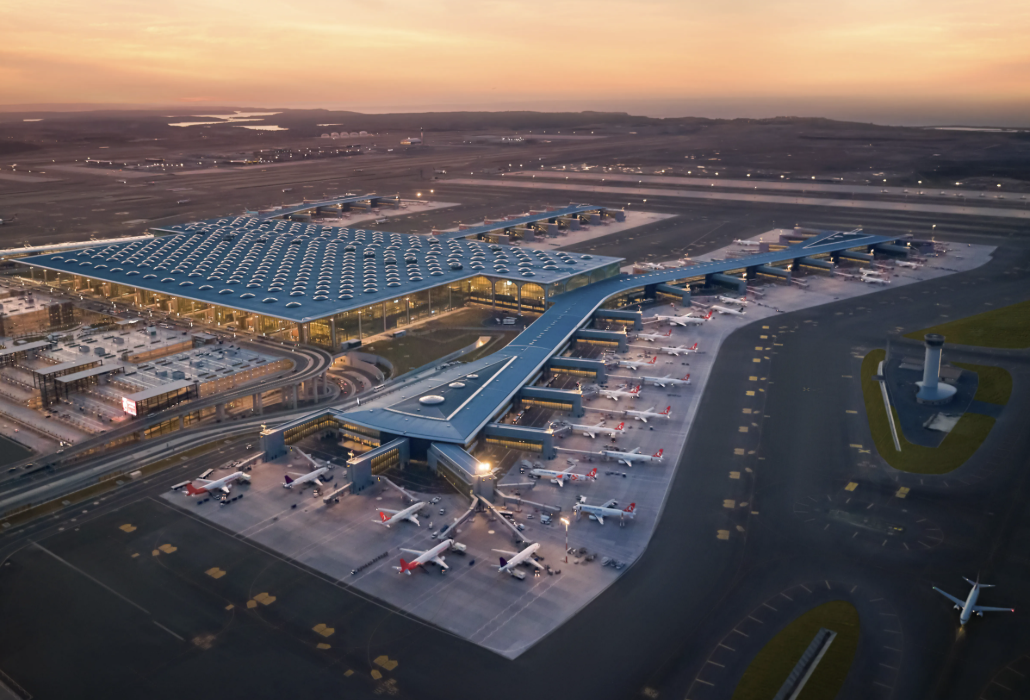 Istanbul airport
The Turkish Ministry of Trade has launched a groundbreaking initiative designed to overhaul customs procedures in air transport. The newly introduced Airline Customs Declaration System (HGBS) eliminates the need for paper documents, marking a decisive move toward full digitalization.
For decades, airline operators were required to submit stacks of paper forms for every international flight. With HGBS, all these records — from crew lists to cargo manifests — are now processed electronically. Officials say the shift not only saves time but also boosts efficiency, transparency, and security in customs operations.
Pilot Implementation at Two Airports
The project began as a pilot program at Esenboğa Airport last year and was expanded to Sabiha Gökçen Airport earlier this year. Authorities confirmed that the system has already delivered significant results.
Under the old model, airlines had to submit around 15 separate paper forms containing information about crew, passengers, cargo, and fuel. HGBS consolidates all these requirements into a single real-time digital submission, allowing customs officers to access and verify data instantly.
Officials say this has cut processing times dramatically and reduced paperwork bottlenecks that often delayed flight operations.
Faster, Smarter, Greener
The advantages of digitalization extend beyond efficiency. By eliminating paper forms, the system also supports Turkey’s environmental sustainability goals. The Ministry estimates that millions of sheets of paper will no longer be needed annually, reducing waste and contributing to greener aviation practices.
Moreover, the real-time data flow allows better coordination between customs, airport management, and airlines. For passengers, this translates into smoother operations, fewer delays, and greater overall reliability.
Expansion Plans: From Pilots to Nationwide Rollout
The Ministry of Trade has ambitious plans for HGBS. Following the successful trials at Esenboğa and Sabiha Gökçen, the system will be deployed at Antalya and Istanbul airports, two of the country’s busiest hubs.
The long-term goal is to integrate HGBS across all Turkish airports, ensuring a uniform standard for customs procedures nationwide. Once fully operational, every international flight entering or leaving Turkey will be processed digitally.
Integration with State Systems
The HGBS project is part of the broader Digitalization of Airline Operations Initiative. Beyond customs forms, the system is designed to integrate with the State Airports Authority (DHMİ).
This means crucial flight data such as takeoff and landing times will be shared instantly with multiple agencies. Airlines, customs officials, and airport managers will have access to the same data in real time, improving coordination and reducing errors.
In addition, a planned mobile application will allow customs officers to track and manage processes on the go, further enhancing flexibility.
Industry Impact and International Standards
Experts say the HGBS aligns Turkey with international best practices in aviation and logistics. Many advanced economies have already shifted to paperless customs systems, and Turkey’s move puts its air transport sector on par with global standards.
For airlines, the benefits include reduced administrative burdens, faster turnaround times, and lower operational costs. For customs authorities, the system offers stronger monitoring capabilities and better tools to detect irregularities.
Looking Ahead: Toward a Fully Digital Aviation Ecosystem
The launch of HGBS signals a broader transformation in how Turkey approaches aviation management. Officials hint that the project is only the beginning of a larger effort to digitalize every aspect of air travel, from passenger services to cargo logistics.
If successful, the initiative could serve as a model for other sectors in Turkey’s economy, showcasing how digital transformation can improve efficiency while cutting costs.