Özgür Özel Warns 2026 Minimum Wage Falls Below Hunger Line, Calls for Early Elections
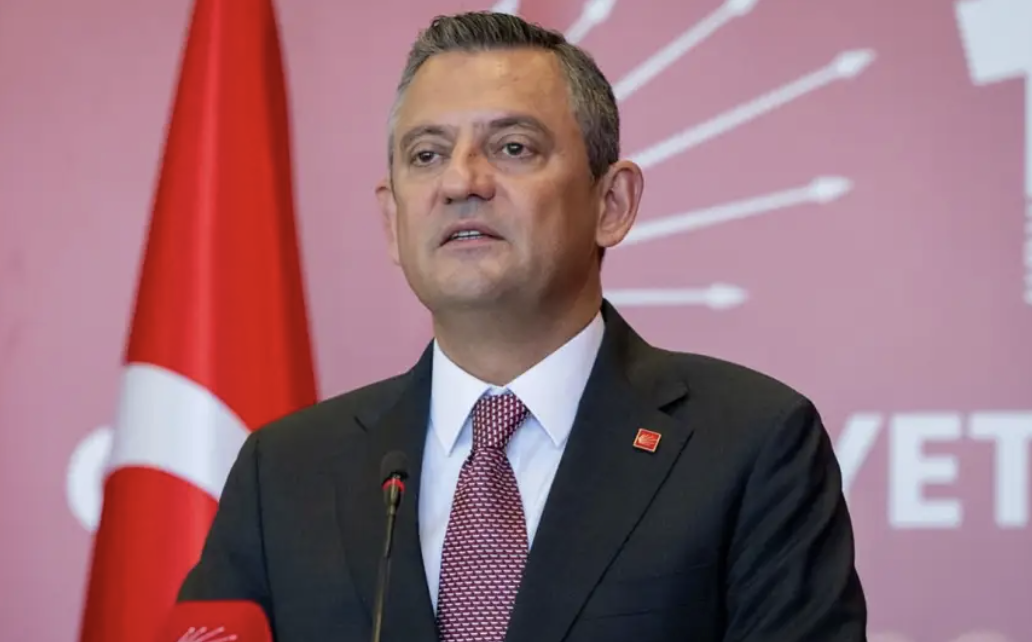 Özgür Özel
Turkey’s prominent opposition leader has sharply criticized the government’s 2026 minimum wage decision, warning that the newly announced figure condemns millions of workers to poverty from day one. Speaking on TELE2, Republican People’s Party (CHP) Chairman Özgür Özel argued that the minimum wage has been set below the official hunger line, a development he described as historically unprecedented and socially unacceptable.
According to Özel, the minimum wage of 28,075 Turkish lira for 2026 fails to meet even the most basic living costs. Citing data from TÜRK-İŞ, he noted that the hunger line—representing the minimum monthly income required for adequate nutrition—has already exceeded 30,000 lira and is expected to rise further in the coming months due to ongoing inflationary pressures.
A First in Republican History
Özel emphasized that this marks the first time in the history of the Turkish Republic that the minimum wage has been announced below the hunger threshold on the very day it was set. In previous years, he said, the minimum wage at least started above the hunger line before being eroded by inflation. This time, however, workers begin the year already unable to afford basic food needs.
“Such a situation is deeply unjust and unacceptable,” Özel said, stressing that the calculations do not belong to the CHP but to TÜRK-İŞ. This organization has applied the same methodology consistently for years. He warned that by the end of the current month, the hunger line could reach 31–32 thousand lira, and by February—when workers will actually start spending their new wages—it may climb to 33–34 thousand lira. That would leave minimum wage earners short by nearly 6,000 lira every month to cover food expenses.
Inflation Expectations vs. Reality
A key pillar of Özel’s criticism focused on how minimum wage increases are calculated. Traditionally, wage hikes were based on realized inflation, even if official figures underestimated real price increases. In recent years, however, the government has shifted to expected inflation, a move Özel said has systematically harmed workers.
He pointed to last year as a clear example. Inflation was projected at 30 percent, but actual inflation reached 45 percent, effectively stripping workers of 15 percentage points of purchasing power. “That money was taken directly from the pockets of minimum wage earners,” Özel said. For 2026, he added, the government claims current inflation is 33 percent, but calculated the wage increase assuming inflation will fall to 16 percent, resulting in a nominal raise of around 27 percent.
According to Özel, this approach ensures that workers fall behind even before receiving their first paycheck under the new wage level.
Responsibility Lies at the Top
Özel rejected attempts to shift responsibility onto economic ministers, arguing that all major policy decisions ultimately trace back to President Recep Tayyip Erdoğan. “Blaming anyone other than Erdoğan only hides the truth,” he said, adding that finance ministers operate entirely within the president’s political framework.
He referenced past policy swings—from orthodox economic management to unconventional approaches justified by ideological rhetoric—and argued that these abrupt changes have fueled instability, inflation, and declining living standards. In Özel’s view, the current minimum wage decision is a direct consequence of these long-term policy failures.
Legal Limits, Political Response
Özel acknowledged that under existing laws, there is no immediate legal mechanism to reverse the minimum wage decision. While laws related to wage-setting can, in theory, be challenged at the Constitutional Court within 60 days, he said the structure of the Minimum Wage Determination Commission leaves little room for judicial intervention.
Instead, Özel said the CHP will pursue its objections on political and social grounds. He announced a large rally in Kağıthane following the wage announcement, calling on all workers dissatisfied with the new minimum wage to make their voices heard. He stressed that, unlike many European countries, where the minimum wage is merely a starting salary, in Turkey, it has become the primary income for a vast segment of the workforce.
Renewed Push for Early Elections
Beyond economic criticism, Özel used the moment to renew his call for early elections. He accused the ruling coalition of avoiding the ballot box out of fear of defeat and challenged Erdoğan directly to face voters.
“An election will happen sooner or later,” Özel said, arguing that if elections were held today, the government would be replaced by an administration that raises the minimum wage to at least 39,000 lira, increases the lowest pensions to the same level, and restores wage growth above inflation through prosperity and growth shares.
He proposed March as a concrete timeline for elections, dismissing arguments about unfavorable seasonal conditions. Addressing Erdoğan personally, Özel said, “If you trust the people, don’t run. Come to the ballot box. Let the nation decide.”
A Broader Cost-of-Living Crisis
Özel concluded by framing the minimum wage debate as part of a wider cost-of-living crisis that has reshaped Turkish society. With food, housing, and energy costs rising steadily, he argued that setting wages below the hunger line signals a profound disconnect between policymakers and everyday realities.
For millions of workers, the 2026 minimum wage is not just an economic figure but a measure of dignity and survival. According to Özel, the current decision fails on both counts—and unless reversed through political change, its social consequences will only deepen.
Related articles
Türkiye’s Household Financial Strain Hits 77% in 2024
Şimşek acknowledges cost-of-living crisis and rejects tax amnesty requests
Turkey Prepares for New Minimum Wage as Commission Meets on December 12