Özgür Özel Clarifies Controversial Remarks After DEM Party Reaction
 Özgür Özel
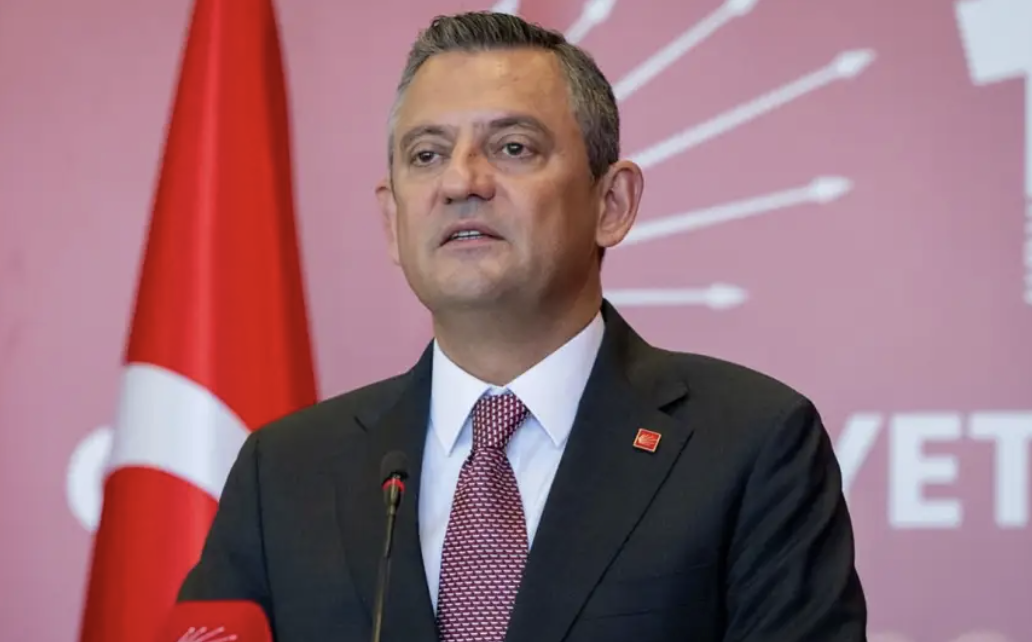
A political dispute intensified this week after CHP Chair Özgür Özel’s remarks at his party’s 39th Ordinary Congress were interpreted by some as a veiled criticism of the DEM Party. The tension stemmed from Özel’s use of the expressions “Stockholm Syndrome” and “falling in love with one’s executioner”, which DEM Party leaders described as an “intellectual breakdown.” After intense backlash, Özel issued a public clarification, asserting that his words were not directed at DEM Party, but at what he called the AKP–MHP bloc’s long-standing treatment of Kurdish voters.
Özel: “I Did Not Target DEM Party Directly”
Speaking to Nefes newspaper following the reactions, Özel said his speech at the congress was being misinterpreted.
“I did not target DEM Party directly. I began my remarks by saying ‘regardless of which political party.’ I reminded people of how AK Party and MHP have treated Kurdish voters. They showed sensitivity, that’s fine. As Tülay Hanım also stated, I don’t find it right for one opposition party to clash with another. I will not continue this debate,” he explained.
Özel’s comments came after DEM Party leaders voiced strong objections to what they perceived as an unfair insinuation.
During the CHP congress, Özel had said:
“I invite everyone who casually calls for the closure of parties—or even the closure of the Constitutional Court itself—to remember the meaning of democracy. I warn against falling into Stockholm Syndrome and falling in love with the executioner from whom we barely escaped.”
DEM Party’s Sharp Response
The harshest reaction came from DEM Party Co-Chair Tülay Hatimoğulları, who described Özel’s metaphors as profoundly misguided.
“Using terms like ‘falling in love with one’s executioner’ or ‘Stockholm Syndrome’ to describe us is, at best, an intellectual collapse. We represent a revolutionary, socialist, and patriotic tradition that has resisted oppression for generations. We know very well who the executioner is,” she said.
Her response triggered a broad political debate, prompting Özel to issue his clarification.
Intra-Opposition Relations Under the Spotlight
Özel’s follow-up remarks highlight a broader concern within the opposition: the risk that public disagreements will overshadow shared political objectives. He emphasized that disputes among opposition parties only weaken democratic discourse.
By underlining that his criticisms targeted government parties rather than the DEM Party, Özel sought to defuse tensions and reinforce the idea of cooperation within the opposition.
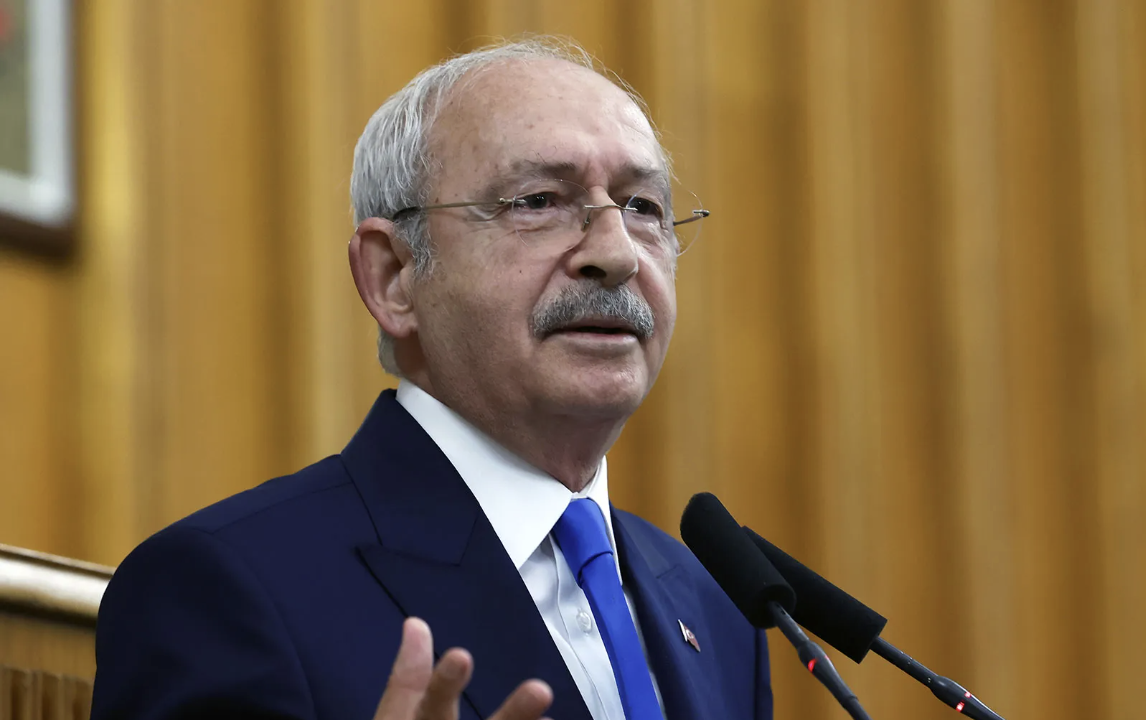
On Kılıçdaroğlu: “He Has Not Called Yet”
Following his re-election as CHP leader, Özel also addressed questions regarding former CHP Chairman Kemal Kılıçdaroğlu.
When asked whether Kılıçdaroğlu had congratulated him, Özel replied:
“I called him the day before the congress and invited him. He didn’t come. And he hasn’t called me yet.”
The exchange reveals lingering sensitivities inside the CHP following the leadership transition and the party’s internal restructuring efforts.
Özel’s Message to Gürsel Tekin: “A Real Party Member Should Read the Congress Message Correctly”
Another internal issue concerns Gürsel Tekin, who was recently appointed as trustee (kayyım) to CHP İstanbul Provincial Organization by a court ruling. Responding to questions about Tekin’s statements and internal interventions, Özel offered a firm critique.
“If he is a real party member, he should correctly interpret the message coming from the congress,” he said.
Özel emphasized that Tekin is not currently a CHP member, yet has been attempting to push for the party’s expulsion.
“We are struggling for our future, fighting on multiple fronts. We are not going to waste energy on such things,” Özel added.
The Bigger Political Picture
The controversy around Özel’s remarks underscores the delicate balance within Turkey’s opposition ecosystem. While CHP under Özel signals commitment to democratic solutions, political cleansing, and the restoration of party unity, DEM Party remains highly sensitive to political language that may imply delegitimizing its base or identity.
Özel’s clarification aims to prevent the rift from deepening and to reassert that his criticism was directed at government actors who, in his view, continue to apply exclusionary policies toward Kurdish citizens.
As Turkey navigates an increasingly polarized political climate, the ability of opposition parties to maintain dialogue—without undermining one another—remains a crucial challenge.