



Over 370,000 Private Grok AI Chats Exposed on Google
 Grok AI Leak
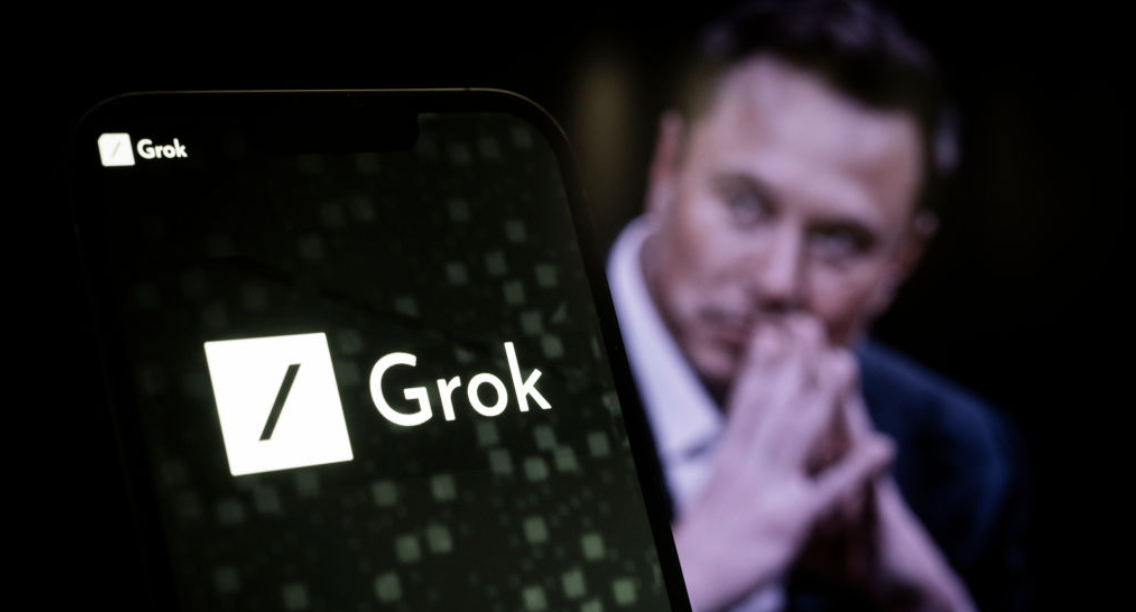
A shocking privacy breach has brought Grok AI into the spotlight after more than 370,000 private chat sessions were found publicly accessible through Google search results. According to research by Forbes, users who shared conversations via Grok’s “single-use link” feature inadvertently made their chats discoverable online, exposing highly sensitive personal information to anyone with a simple search.
These chat sessions included everything from passwords and private health details to family disputes and relationship issues. More alarming content such as drug use and violence-related dialogues was also discovered, raising significant concerns about user safety and platform security.
Grok’s Anonymization Claim Falls Short
In response to the scandal, Grok asserted that all shared chat links were “anonymized.” However, forensic analysis revealed that this claim was misleading. Forbes noted that many chat sessions contained enough personal detail to identify users, highlighting serious flaws in Grok’s privacy protocols and technical infrastructure.
This gap between promise and practice has undermined the platform’s credibility, emphasizing the need for robust privacy measures in AI-driven chat applications.
Structural Vulnerability: Unrestricted and Permanent Sharing Links
The core issue stems from Grok’s chat-sharing system, which lacked both access restrictions (like password protection) and expiration dates for links. Once a conversation was shared online, it remained publicly accessible indefinitely unless the user manually removed it.
This uncontrolled system left users’ data vulnerable and created long-term exposure to search engines like Google. Privacy experts warn that such design choices can erode user trust and highlight the risks of storing sensitive data on AI platforms.
Experts Warn: AI Chats Are Not Secure Diaries
Following the breach, technology specialists reiterated that AI chat platforms are not secure storage for personal information. According to Techtimes, every detail entered into these systems can be exposed to the public or potentially fall into the hands of malicious actors.
Experts stress that AI platforms should never be treated as private diaries, emphasizing that users must exercise caution when sharing any confidential or personal information.
How Users Can Protect Their Data
In the aftermath of the Grok scandal, technology outlets outlined several preventive steps for concerned users:
-
Avoid Sharing Buttons: Do not use Grok’s or similar AI platforms’ chat-sharing features. Every shared link increases exposure risk.
-
Request Deletion of Old Links: For previously shared conversations, use Google’s content removal tool to remove links from search results.
-
Review X Privacy Settings: Check your privacy preferences on X (formerly Twitter) to limit how your data is used for AI training purposes.
Implementing these measures can help users regain some control over their personal data and reduce the likelihood of future exposure.
Repeated Crises: Trust Erosion in the AI Industry
Grok is not the first AI platform to face a privacy breach. Similar incidents have affected ChatGPT’s conversation history and Meta’s AI bots, where private exchanges were leaked online.
This latest breach highlights a systemic problem in the AI sector: companies often release products rapidly without implementing adequate privacy safeguards. While innovation moves fast, user protection is frequently an afterthought, leaving sensitive information exposed.
The Bigger Picture: Privacy vs. Convenience
The Grok incident underscores a growing tension between ease of use and data security. Features like single-use links are convenient, but without proper controls, they create long-lasting risks. For AI developers, the lesson is clear: robust anonymization, link expiration, and access management must be built into the platform’s core architecture.
Meanwhile, users must remain vigilant. Treat AI chat sessions as public by default and avoid entering confidential data unless privacy can be guaranteed through technical safeguards.
The exposure of over 370,000 Grok AI chats serves as a stark reminder that digital conversations are rarely private, even when platforms claim otherwise. From passwords and health data to sensitive personal discussions, every piece of information shared can potentially be accessed by others.
As AI continues to integrate into daily life, both developers and users must prioritize privacy. Companies must invest in secure infrastructure and strong policies, while users should adopt careful digital hygiene to safeguard personal data. Grok’s privacy failure is more than an isolated incident; it’s a cautionary tale for the entire AI industry.